Introduction
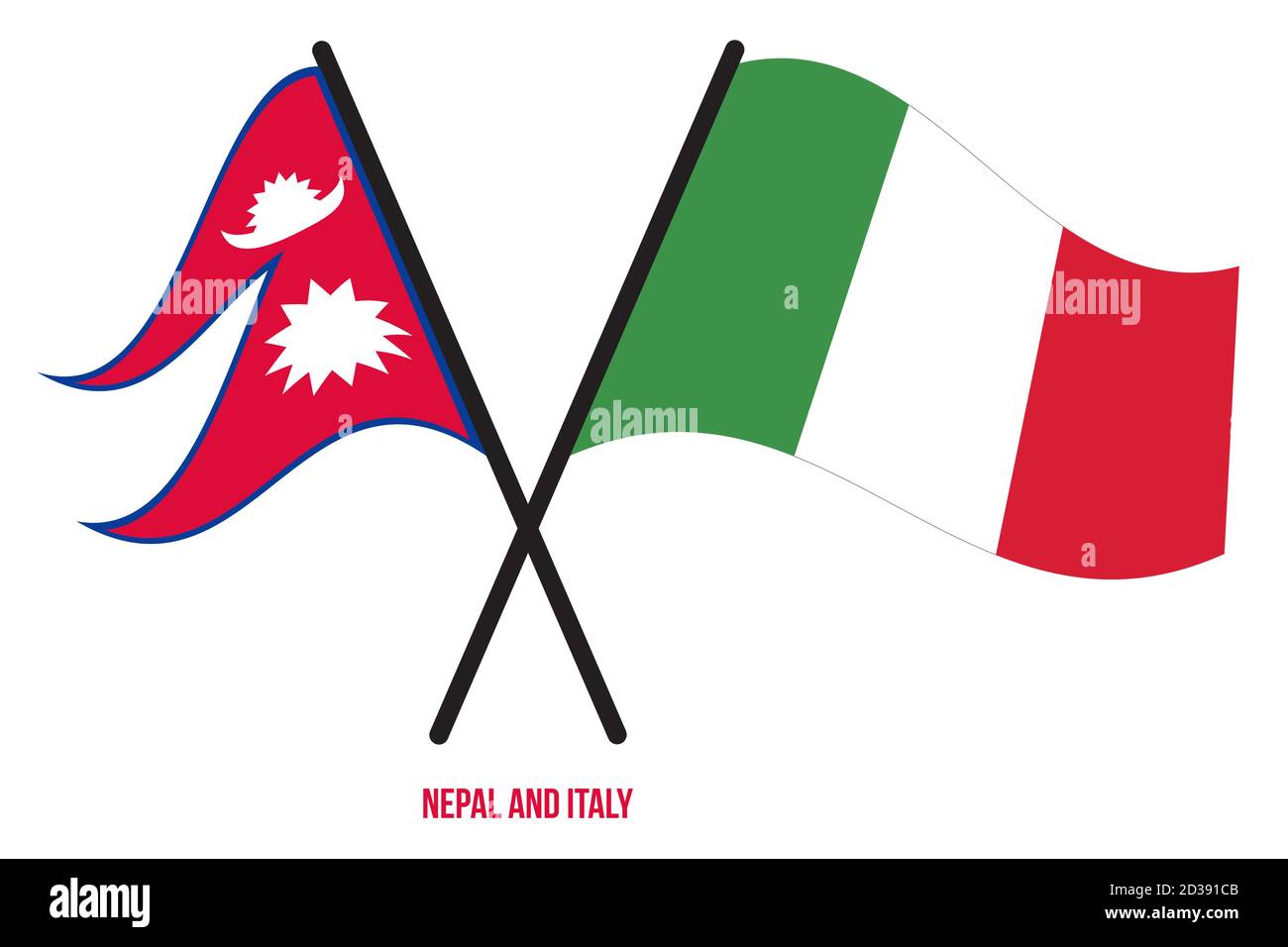
The comparison between Nepal and Italy may seem unusual at first glance, given their distinct geographical locations, cultures, and economies. Nepal, a landlocked country in South Asia, is famous for its breathtaking Himalayas, including Mount Everest. In contrast, Italy, located in Southern Europe, boasts a rich history, renowned cuisine, and vibrant cities like Rome and Venice. Understanding the differences and similarities between these two nations can foster greater cultural appreciation and insight into global diversity.
Cultural Heritage
Nepal is known for its diverse culture, heavily influenced by Buddhism and Hinduism. The Kathmandu Valley is a UNESCO World Heritage site, home to ancient temples and stupas, including the iconic Swayambhunath and Pashupatinath. Festivals such as Dashain and Tihar are celebrated with great enthusiasm, reflecting the country’s rich traditions and community spirit.
> In contrast, Italy’s cultural heritage is steeped in centuries of art, architecture, and literature. The Italian Renaissance brought forth famous artists like Leonardo da Vinci and Michelangelo. Additionally, Italy’s regional traditions contribute to a variety of local customs, foods, and dialects. Festivals like Carnevale in Venice and the Palio horse race in Siena celebrate this cultural richness.
Economy and Industry
The economic landscapes of Nepal and Italy are strikingly different. Nepal’s economy relies heavily on agriculture, with approximately one-third of its GDP stemming from this sector. Tourism is also a vital part of the economy, with many visitors drawn to the country’s natural beauty, trekking routes, and cultural sites. However, Nepal faces challenges such as infrastructure development and access to education and healthcare.
In stark contrast, Italy has one of the largest economies in the European Union, driven by a diverse industrial base and a strong manufacturing sector. Italian companies are famous for producing luxury goods, fashion, and automobiles, with brands like Ferrari and Gucci gaining global recognition. The Italian economy also benefits significantly from tourism, with millions flocking to its historical cities and picturesque landscapes each year.
Geopolitical Significance
Geopolitically, Italy is a prominent member of several international organisations, including the European Union and NATO, playing a critical role in European politics and economics. On the other hand, Nepal’s strategic position between India and China makes it important in South Asian geopolitics. Historically, Nepal has maintained a policy of balancing relations with both of its giant neighbours, which often affects its foreign relations.
Conclusion
While Nepal and Italy are distinct in many aspects — from culture and economy to political significance — both contribute uniquely to the global community. Comparing these two nations serves as a reminder of the vast cultural and socio-economic diversity present in the world today. As countries continue to interact and influence one another, understanding such contrasts can foster greater appreciation and cooperation across cultures, ultimately enriching the global landscape.