Introduction
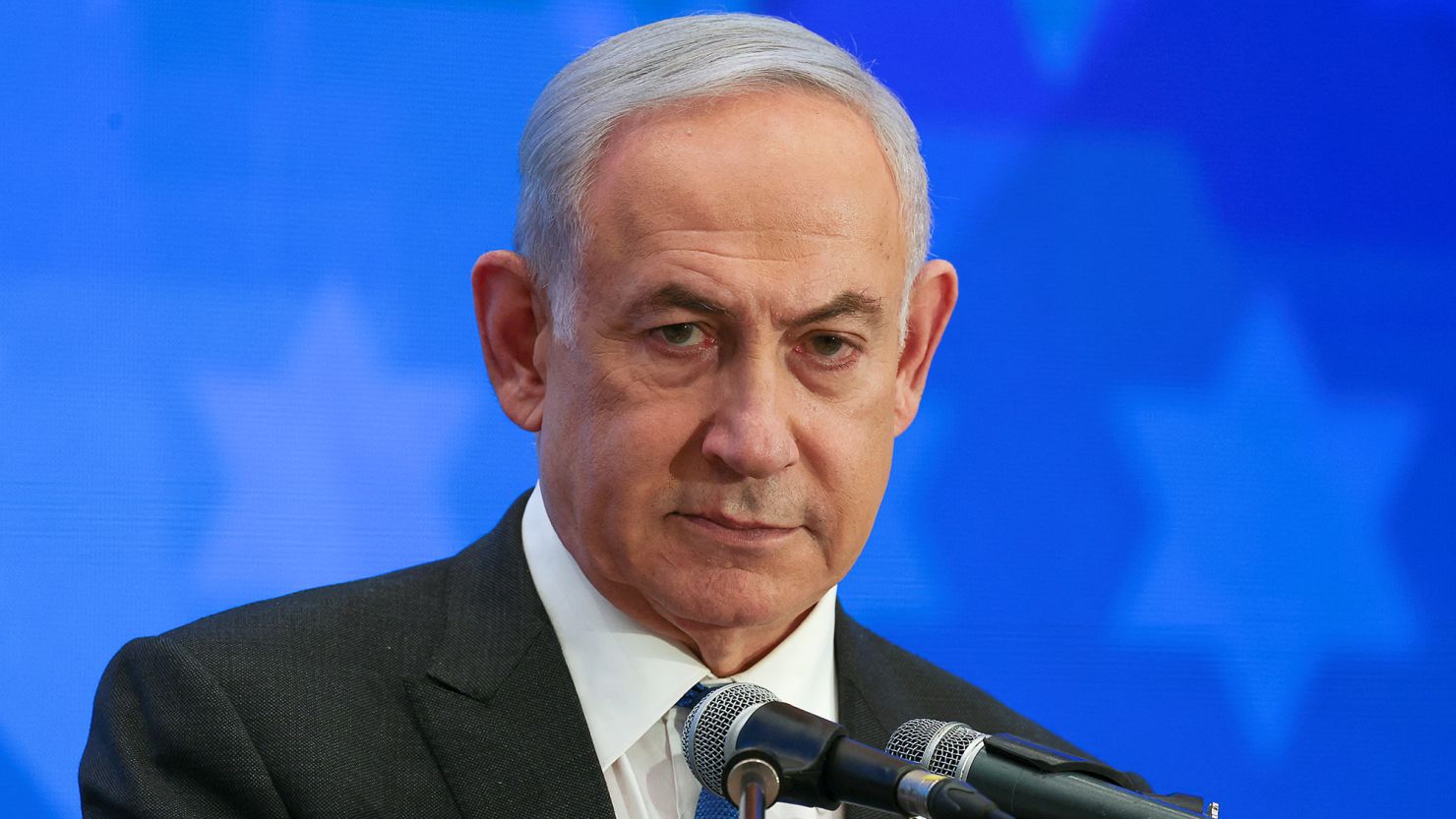
Benjamin Netanyahu, Israel’s longest-serving Prime Minister, has returned to power amid significant political and social turmoil. His leadership, marked by controversies and changing alliances, has shaped the political environment in Israel. In 2023, the implications of his decisions continue to resonate, with issues of governance, security, and public opinion playing critical roles in his administration’s stability.
Recent Developments
In late 2022, Netanyahu led the Likud party to a significant victory in the Israeli elections, forming a coalition with right-wing and religious parties. However, this coalition has faced intense scrutiny due to ongoing tensions with the Palestinian territories and internal dissent regarding judicial reforms. Netanyahu’s recent attempts to overhaul Israel’s judicial system have ignited massive protests across the nation, emphasizing the deep divisions within Israeli society.
The Impact of Judicial Reforms
Netanyahu’s proposed judicial reforms aim to limit the power of the Supreme Court and enhance the government’s authority in legal decisions. Proponents argue that these changes are necessary to balance judicial and executive powers. However, critics, including activists and opposition parties, contend that such reforms threaten democratic norms and undermine the rule of law. The ongoing clashes between supporters and protesters reflect a society grappling with its identity and vision for the future.
International Relations
Moreover, Netanyahu’s foreign policy strategies are under the microscope. Israel’s relations with the United States, particularly in light of differing views on the Israeli-Palestinian conflict, pose challenges for Netanyahu. There has been a growing concern over Israel’s stance in the region, particularly as it relates to Iran’s nuclear programme and its partnerships with neighbouring Arab nations.
Conclusion
As Netanyahu navigates these complex challenges, the political landscape in Israel remains uncertain. His ability to maintain coalition support and address the public’s concerns on critical issues like the judiciary and security will be pivotal in determining his government’s longevity. The current dynamics suggest that Netanyahu’s journey will continue to be fraught with challenges, requiring adept political manoeuvring and responsive governance to uphold his administration’s stability. For readers, understanding the nuances of these developments is crucial, as they could significantly impact not only Israel’s future but also regional dynamics and global political relations.