What the data shows
The upcoming No Kings protests raise a critical question: how can grassroots movements effectively challenge perceived authoritarianism in the current political landscape? The answer lies in the mobilization of thousands across the United States, with the No Kings movement poised to be a significant force on March 28, 2026.
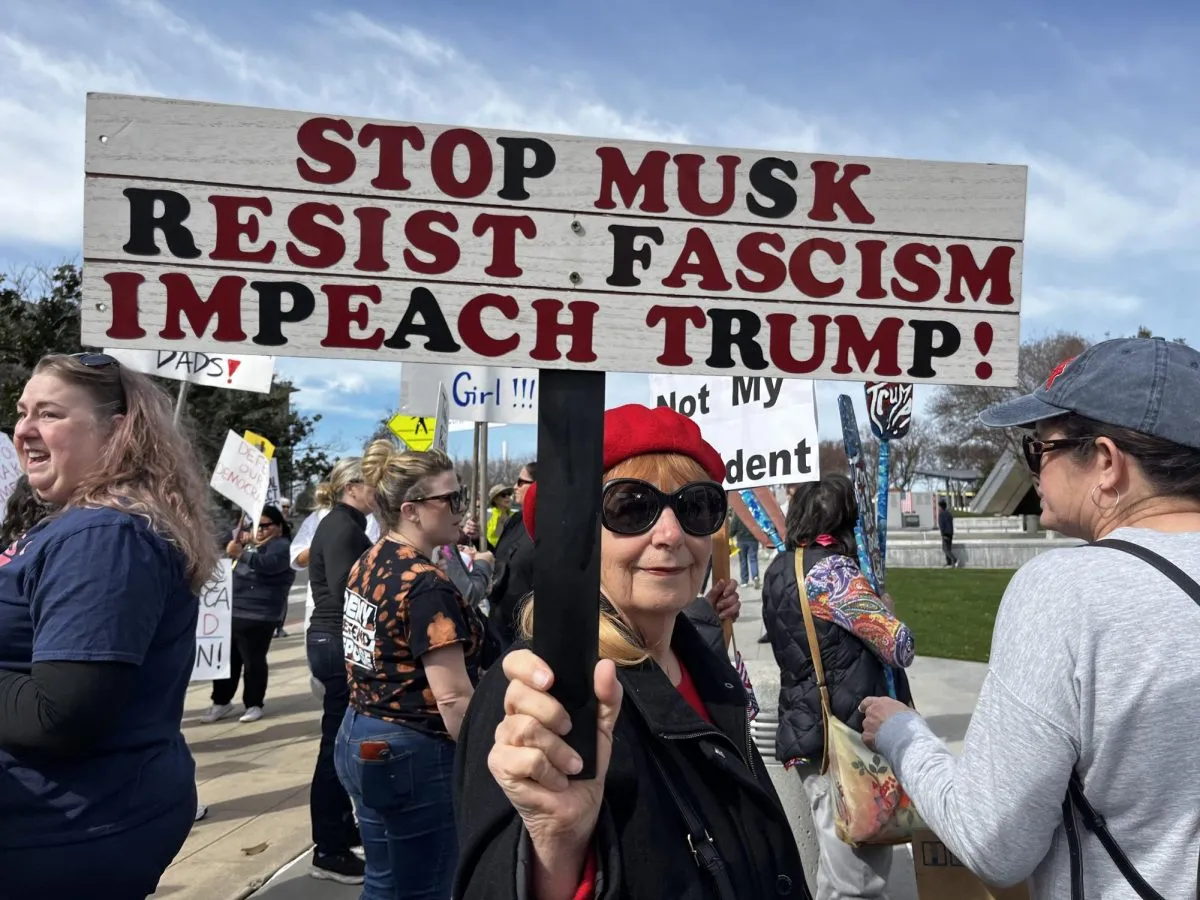
According to organizers, the No Kings protests are nonviolent demonstrations against President Donald Trump and his administration, reflecting widespread discontent with what many perceive as authoritarian governance. The movement, which began on Reddit in late January 2025, has gained momentum, with thousands of events planned nationwide, including 320 confirmed protests across California alone.
The protests in Sonoma County are being organized by Indivisible Sonoma County and other grassroots groups, with expectations that the Santa Rosa event will draw about 15,000 participants. This is a notable increase from the October 18, 2025 protest, which attracted around 10,000 attendees. The cumulative participation in previous No Kings protests reached an impressive 12 million in 2025, indicating a growing commitment to this cause.
Ezra Levin, a prominent figure in the movement, articulated the urgency of these protests, stating, “With every ICE raid, every escalation abroad, and every abuse of power at home, Americans are rising up in opposition to Trump’s attempt to rule through fear and force.” This sentiment resonates with many who feel that the current administration’s actions threaten democratic norms and civil liberties.
Roxanne Goodfellow, another key voice within the movement, encapsulated the spirit of the protests with her assertion that “Joy is resistance.” This phrase highlights the nonviolent nature of the demonstrations, which aim to foster a sense of community and collective action rather than incite division or hostility.
The No Kings Day of Nonviolent Action is anticipated to be the largest single-day mobilization in U.S. history, a testament to the growing dissatisfaction with the Trump administration. The previous protests held on June 14 and October 18, 2025, laid the groundwork for this significant event, showcasing the power of organized resistance.
Following the national day of action, the coalition behind the No Kings movement plans to pivot toward local legislative advocacy and voter protection initiatives as the 2026 midterm elections approach. This strategic shift underscores the movement’s commitment to not only protest but also to effect tangible change in the political landscape.
As the date approaches, details remain unconfirmed regarding the full scale of participation and the specific actions that will unfold during the protests. However, the momentum generated by the No Kings movement signals a critical juncture in American political activism, as citizens mobilize against perceived threats to democracy.