During the recent White House Correspondents’ Dinner, a gunman breached the security perimeter, leading to an alarming situation. This incident unfolded as a 31-year-old teacher from Torrance, California, stormed the event, having sent a manifesto to his family just minutes prior. His target? Members of the Trump administration.
As chaos ensued, President Trump had to be evacuated. Remarkably, no injuries were reported, thanks to security personnel who apprehended the assailant within seconds. Yet, amidst this turmoil, a different kind of controversy emerged.
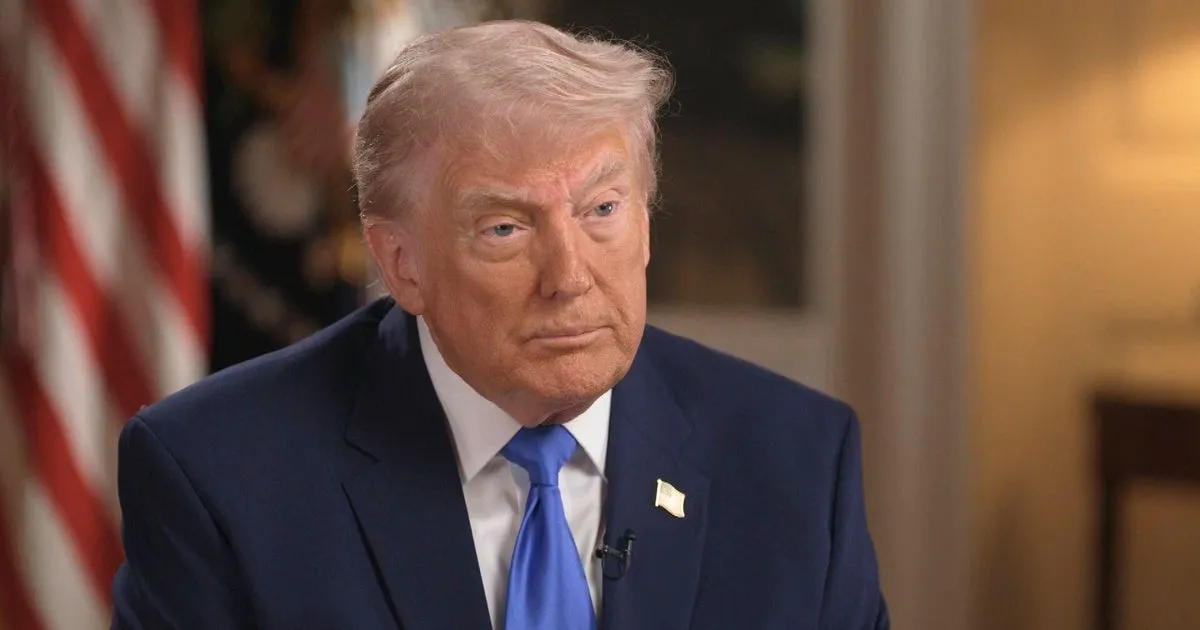
Norah O’Donnell, during an interview with President Trump—shortly after the incident—chose to read excerpts from the gunman’s manifesto. This decision ignited a firestorm. President Trump reacted sharply, calling her a “disgrace” for airing such content on national television.
His exact words were telling: “You shouldn’t be reading that on 60 Minutes. You’re a disgrace.” The backlash against him was immediate and intense. Critics argued that his reaction overshadowed serious discussions about gun violence and press freedom.
The gunman’s social media accounts revealed anti-Trump and anti-Christian rhetoric—an unsettling backdrop to an already charged atmosphere. Yet Trump expressed a desire to continue the event after this frightening episode, stating he hoped to reschedule the dinner within 30 days.
But what does this sequence of events mean for press freedom? O’Donnell’s choice to read from the manifesto raises questions about the media’s role in reporting on violence and its consequences. Is it not essential to confront uncomfortable truths?
The White House Correspondents’ Dinner is meant to celebrate freedom of the press—a fundamental pillar of democracy. However, events like these test that very freedom. They challenge journalists to navigate between reporting facts and respecting sensitivities.
In reflecting on Trump’s comments, one must consider the broader implications: How do we balance security measures with the right to inform? The tension between these two ideals will likely continue as debates around gun violence persist.
Ultimately, this incident serves as a reminder—both for journalists and politicians—that words have power. As President Trump noted about the gunman, “He was pretty incompetent too because he got caught.” Yet it’s not just about catching threats; it’s about how we respond when they arise.
For now, discussions around press ethics and security are more relevant than ever. The interplay between these elements will shape future interactions at events meant to uphold democratic values.