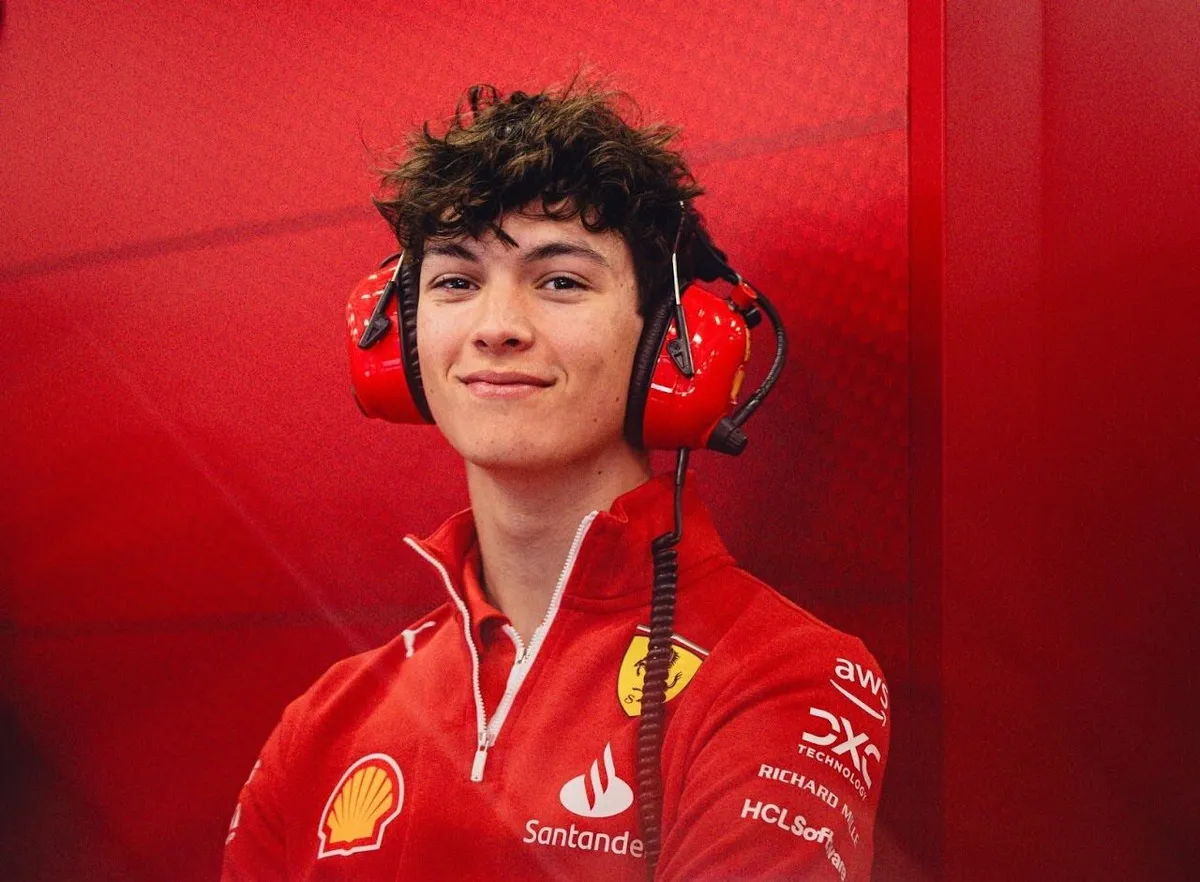
Oliver Bearman, a promising driver in the Formula 1 circuit, was involved in a serious crash at the Japanese Grand Prix held on March 29, 2026. The incident occurred at Spoon corner of the Suzuka circuit, where Bearman collided with fellow driver Franco Colapinto at a staggering speed of 190 mph (approximately 306 km/h). This high-speed impact resulted in a 50G force on Bearman, who fortunately sustained only a right knee contusion and no fractures.
The crash was attributed to a significant closing speed difference of 50 km/h between Bearman and Colapinto. At the time of the incident, Bearman was utilizing extra electrical power in boost mode, a factor that may have contributed to the severity of the crash. Following the incident, Bearman expressed relief, stating, “It was a scary moment out there but everything is OK, which is the main thing.”
In the aftermath, the FIA confirmed that they would review existing regulations, particularly those concerning the new hybrid engine systems that have raised safety concerns among drivers. Carlos Sainz, a veteran in the sport, remarked, “We’ve been warning them about this happening,” highlighting the ongoing discussions about safety under the new regulations.
Ayao Komatsu, the team principal, defended Colapinto, asserting that the incident was not his fault. He acknowledged the potential for more severe outcomes, stating, “Yes. It could have been a lot worse.” This sentiment underscores the precarious nature of racing at such high speeds, especially with the recent regulatory changes.
Bearman was ultimately classified as Not Classified in the race results, which was won by Kimi Antonelli, who became the youngest driver to lead the world championship. The incident has sparked a renewed focus on driver safety, with Andrea Stella emphasizing that this situation “should jump to the top of the agenda.”
Looking ahead, the FIA has scheduled meetings in April to assess the new regulations and determine necessary changes to enhance safety for drivers. Observers are keenly awaiting the outcomes of these discussions, as the implications of this crash could lead to significant shifts in how the sport manages safety under the current competitive framework.