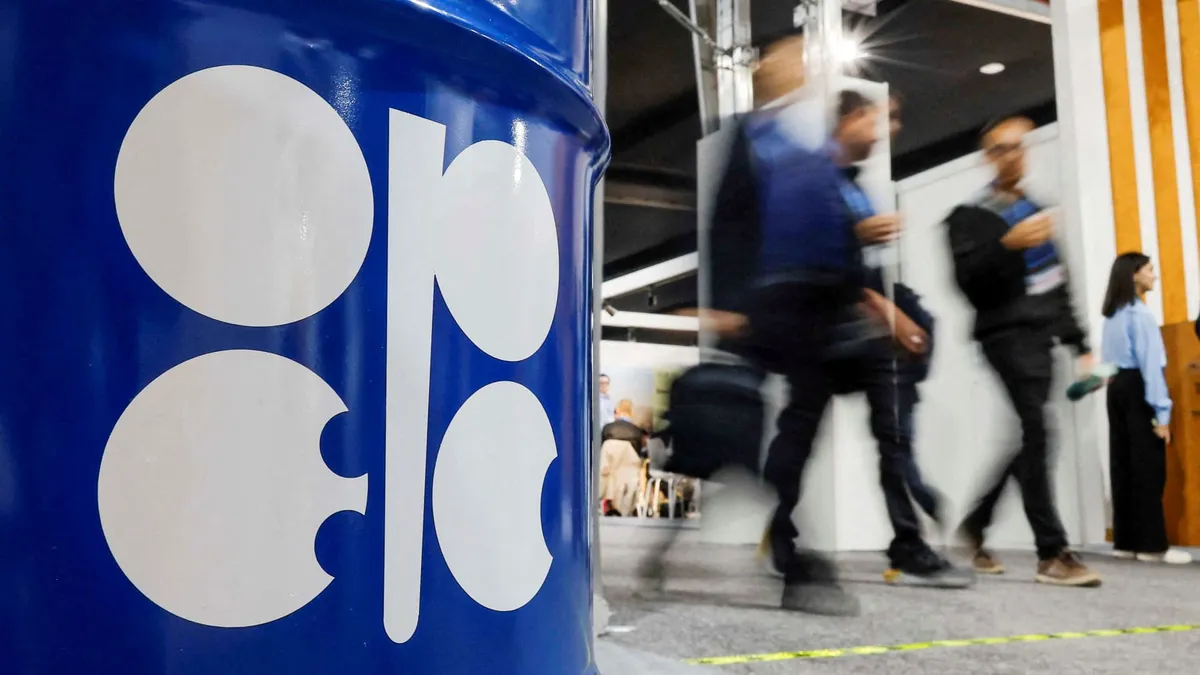
The United Arab Emirates is leaving OPEC, marking a significant shift in the oil cartel’s dynamics and its ability to control the global oil market. This decision, effective on May 1, 2026, concludes nearly 60 years of UAE membership since its establishment as a sovereign nation in 1971.
As the third-largest oil producer within OPEC—behind Saudi Arabia and Iraq—the UAE’s exit is more than a mere procedural change. It reflects a broader strategy; officials have described this move as a ‘sovereign national decision’ grounded in long-term economic priorities.
In recent months, tensions have simmered within OPEC regarding production quotas. The UAE has sought greater flexibility to increase its oil output without the constraints imposed by OPEC’s collective decisions. This desire for autonomy has led to an increasingly strained relationship with other producers, notably Saudi Arabia.
Notably, the UAE did not consult with fellow OPEC members before announcing its departure. This unilateral approach raises questions about future collaboration among oil-producing nations and the stability of energy markets.
Key facts:
- The UAE has been a member of OPEC since 1971.
- Its oil output was ranked third among OPEC members.
- The decision was described as reflecting the UAE’s strategic vision for its energy profile.
Experts like Jorge Leon have noted that this withdrawal marks a significant shift for OPEC. Without the UAE’s contribution, the cartel may struggle to maintain its influence over global oil prices and production levels.
The implications extend beyond mere numbers. The Strait of Hormuz—critical for global oil transport—could see shifts in dynamics as the UAE pursues independent policies. Increased competition among producers might lead to fluctuations in global energy demand and pricing strategies.
As energy markets brace for these changes, one thing is clear: the balance of power within OPEC—and indeed the broader landscape of global oil production—is evolving rapidly.