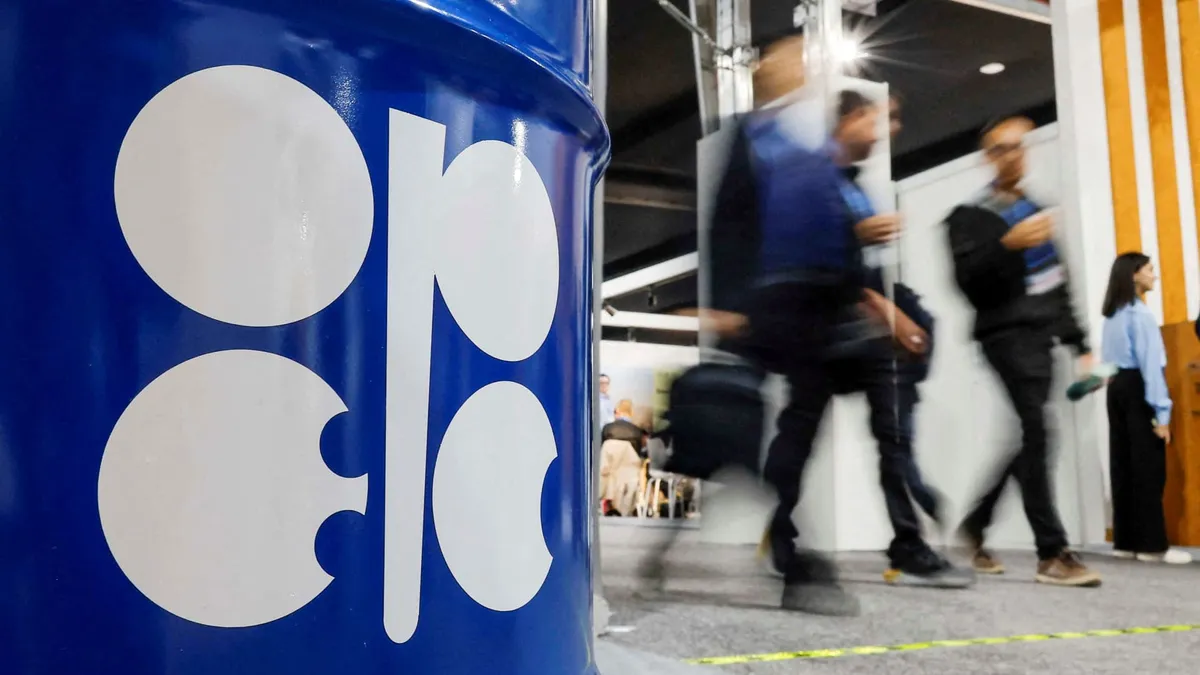
The United Arab Emirates is leaving OPEC, marking a significant shift in the oil cartel’s dynamics and its ability to control the global oil market. Effective May 1, 2026, this decision ends nearly 60 years of membership since the UAE joined OPEC in 1971.
The UAE’s oil output ranked third within OPEC, following Saudi Arabia and Iraq. By exiting, the UAE can now increase its oil production without needing to adhere to OPEC’s collective output limits. This move reflects a broader strategy aimed at long-term economic priorities.
On May 1, 2026, the UAE will officially depart from OPEC—an action taken without prior consultation with other member states, including Saudi Arabia. Officials stated that this was a ‘sovereign national decision,’ emphasizing the UAE’s evolving energy profile.
Key facts about the UAE’s exit:
- The UAE has been a member of OPEC since its formation as a sovereign nation in 1971.
- The UAE’s departure is expected to weaken OPEC’s ability to control the oil market.
- Suhail al-Mazrouei noted that being free from OPEC obligations will provide greater flexibility for future production increases.
This development comes at a time when global energy demand continues to fluctuate. The Strait of Hormuz remains a crucial passage for oil shipments, and shifts in production strategies could have ripple effects across energy markets worldwide. The implications of this exit extend beyond just supply dynamics; they may also alter geopolitical relations among major oil-producing nations.
As Jorge Leon pointed out, the UAE’s withdrawal marks a significant shift for OPEC. It raises questions about how remaining members will respond and adapt to this new landscape. For now, all eyes are on how this change will influence both regional stability and global energy strategies moving forward.