Introduction
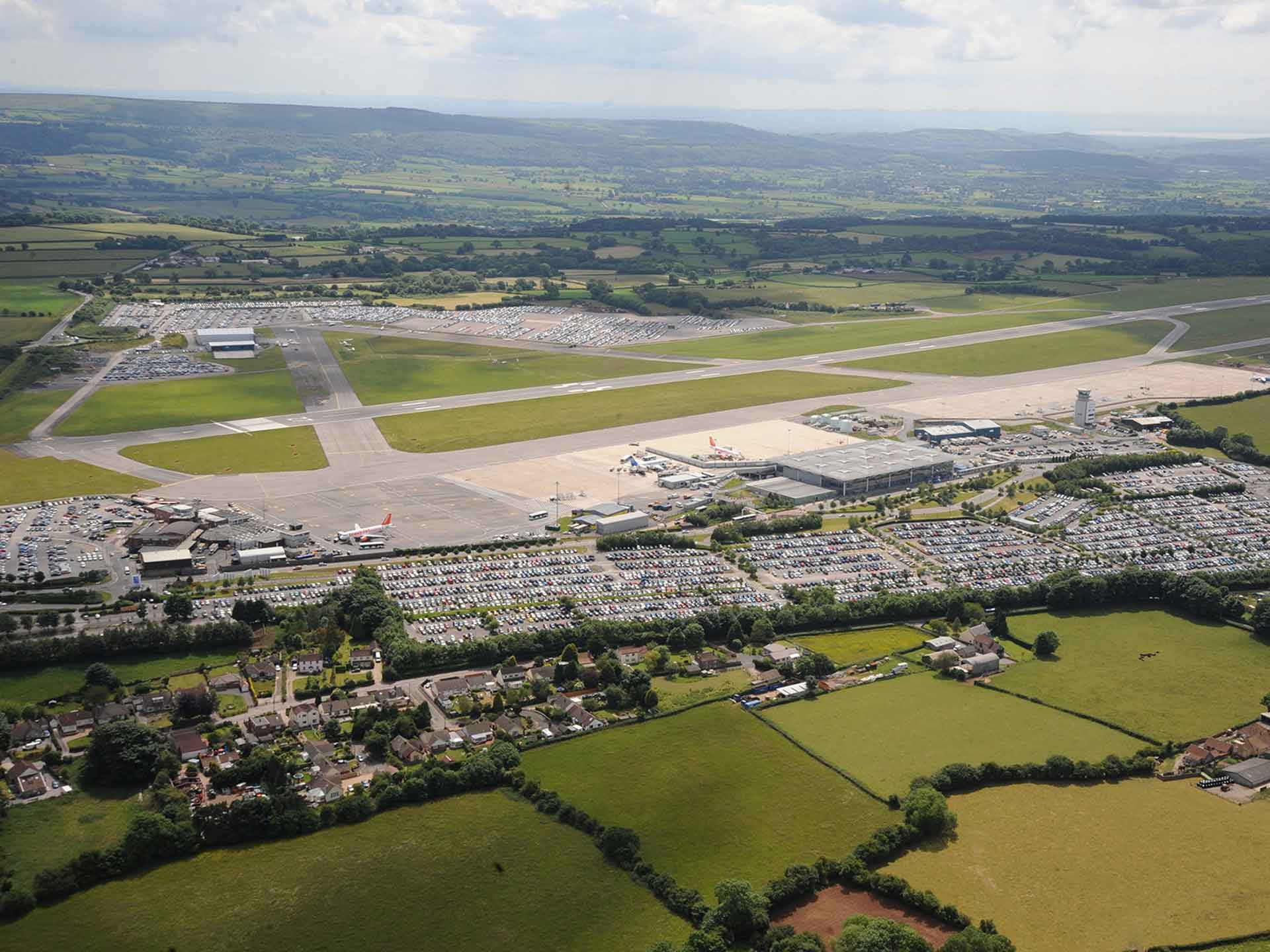
Bristol Airport, the eighth busiest airport in the UK, serves as a crucial gateway for both domestic and international travelers. Its unique geographical location, situated just 8 miles from the city centre of Bristol, makes it an integral part of the West Country’s transport infrastructure. The airport has seen significant growth in passenger numbers and airline services in recent years, acting as a catalyst for regional economic development and tourism.
Recent Developments at Bristol Airport
In recent months, Bristol Airport has been focused on expanding its facilities and enhancing passenger experience. After a temporary decline due to the COVID-19 pandemic, the airport has reported a strong recovery, with a projected increase in passenger traffic for 2023. Reports indicate that Bristol Airport served over 9 million passengers in 2022 and aims for further growth with new routes added from various airlines.
One major development is the ongoing expansion project, which aims to improve the terminal’s capacity and provide more parking spaces, making travel smoother and more convenient for passengers. The project, which is expected to be completed by 2025, will see an increase in the terminal’s capacity from 10 million to 12 million passengers annually.
Environmental Concerns and Sustainability Efforts
As Bristol Airport grows, so do concerns regarding its environmental impact. The airport has been proactive in addressing these concerns by initiating a sustainability plan aiming to reduce carbon emissions and promote greener travel options. In 2021, Bristol Airport announced its commitment to achieve net-zero carbon emissions by 2030, a move that has been welcomed by local environmental groups.
In particular, the airport is investing in electric ground handling equipment and implementing carbon offset schemes for passengers. These initiatives demonstrate a commitment to balancing growth with sustainability, reflecting the growing trend within the aviation industry towards more eco-friendly practices.
Conclusion
In conclusion, Bristol Airport remains a vital component of the UK’s travel network, with its ongoing expansion and sustainability efforts highlighting its commitment to serve passengers and support the local economy. The anticipated growth in both passenger numbers and flight routes indicates a positive future for the airport. However, the challenge lies in balancing this growth with environmental responsibility, as public concern continues to rise. The outcome of Bristol Airport’s expansion and sustainability initiatives will significantly influence future travel trends in the region, making it a topic worth closely following.