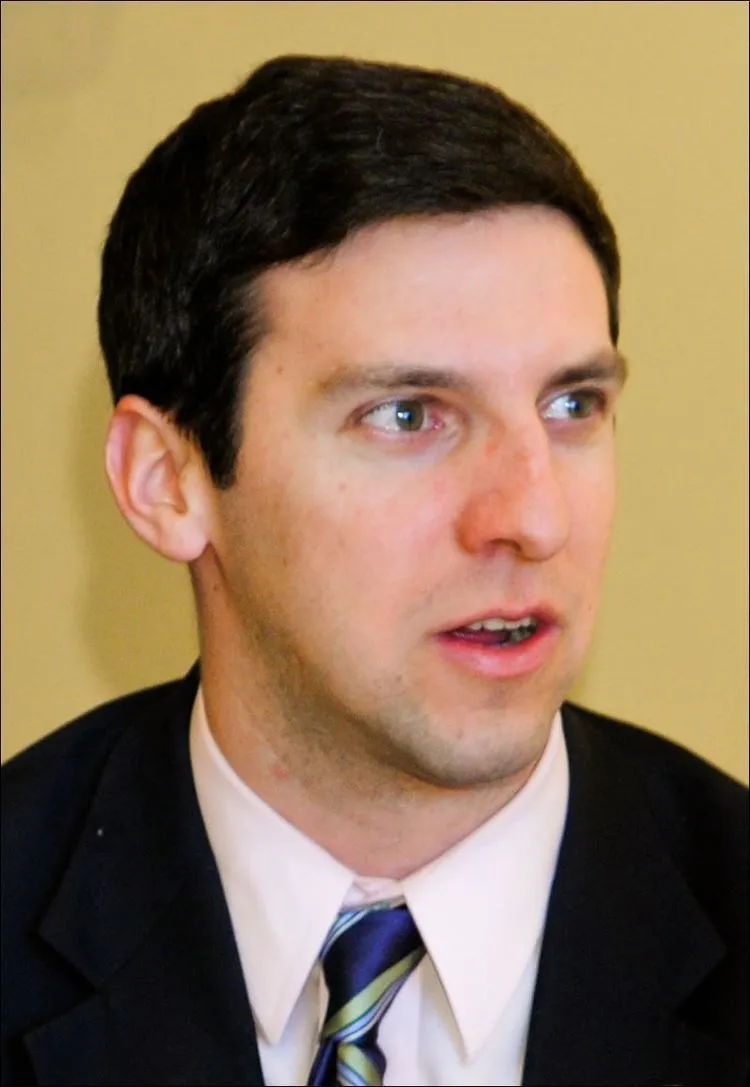
The U.S. Supreme Court’s recent decision to send P.G. Sittenfeld’s case back to the 6th U.S. Circuit Court of Appeals marks a pivotal moment in the former Cincinnati council member’s legal journey. This ruling not only raises the stakes for Sittenfeld but also highlights broader implications for political fundraising practices across the nation.
Sittenfeld, who was convicted in 2022 of bribery and attempted extortion, initially faced a 16-month prison sentence but served less than five months before being pardoned by President Trump in May 2025. The Supreme Court’s order on April 6, 2026, allows for a reevaluation of his case, which could potentially overturn his convictions.
At the heart of the indictment was the allegation that Sittenfeld traded favorable votes for campaign contributions, a practice his legal team argued is commonplace in political fundraising. They contended that allowing his convictions to stand could lead to a chilling effect on political contributions, coining the phrase “First Amendment Ice Age” to describe the potential repercussions.
During his trial, Sittenfeld was acquitted on four of the six charges, which further complicates the narrative surrounding his actions. His arrest by the FBI in November 2020 was part of a broader investigation that implicated several former council members, signaling a crackdown on corruption in Cincinnati.
Despite the pardon, Sittenfeld’s attorneys have pointed out that the legal consequences of his convictions remain, including a $40,000 fine that was not erased by the pardon. This situation underscores the complexities of navigating legal and political landscapes, especially for someone who was once considered a rising star in local politics.
The Justice Department’s motion to vacate Sittenfeld’s convictions in November 2025 adds another layer of intrigue to this case. As the legal proceedings continue, the implications for Sittenfeld’s future in public office remain uncertain. With the Supreme Court’s involvement, the outcome could set a precedent for how similar cases are handled in the future.
As Sittenfeld awaits further developments from the 6th U.S. Circuit Court of Appeals, the political community watches closely. His ability to run for public office again hinges on the resolution of this case, and the broader conversation about the ethics of political fundraising is likely to intensify.
Details remain unconfirmed regarding the timeline for the appeals process, but the stakes for Sittenfeld and the implications for political fundraising practices are undeniably high.