Who is involved
In recent years, Pakistan has faced a significant escalation in conflict, particularly with the Taliban, as the country grapples with a surge in terrorist incidents. By 2025, Pakistan recorded 5,397 terrorist incidents, with over 400 involving quadcopter drones. This alarming trend has raised concerns about the effectiveness of the country’s air defense systems, which are primarily designed to counter high-altitude threats, leaving a gap in their ability to address the evolving drone technology.
Before the recent developments, the expectation was that Pakistan’s military would maintain control over its airspace and effectively counter any threats from the Taliban. However, the situation took a decisive turn on March 13, 2026, when drones struck three locations across Pakistan, injuring civilians, including two children in Quetta. This incident marked a significant escalation in the conflict, as it demonstrated the Taliban’s capability to launch drone attacks into Pakistani territory.
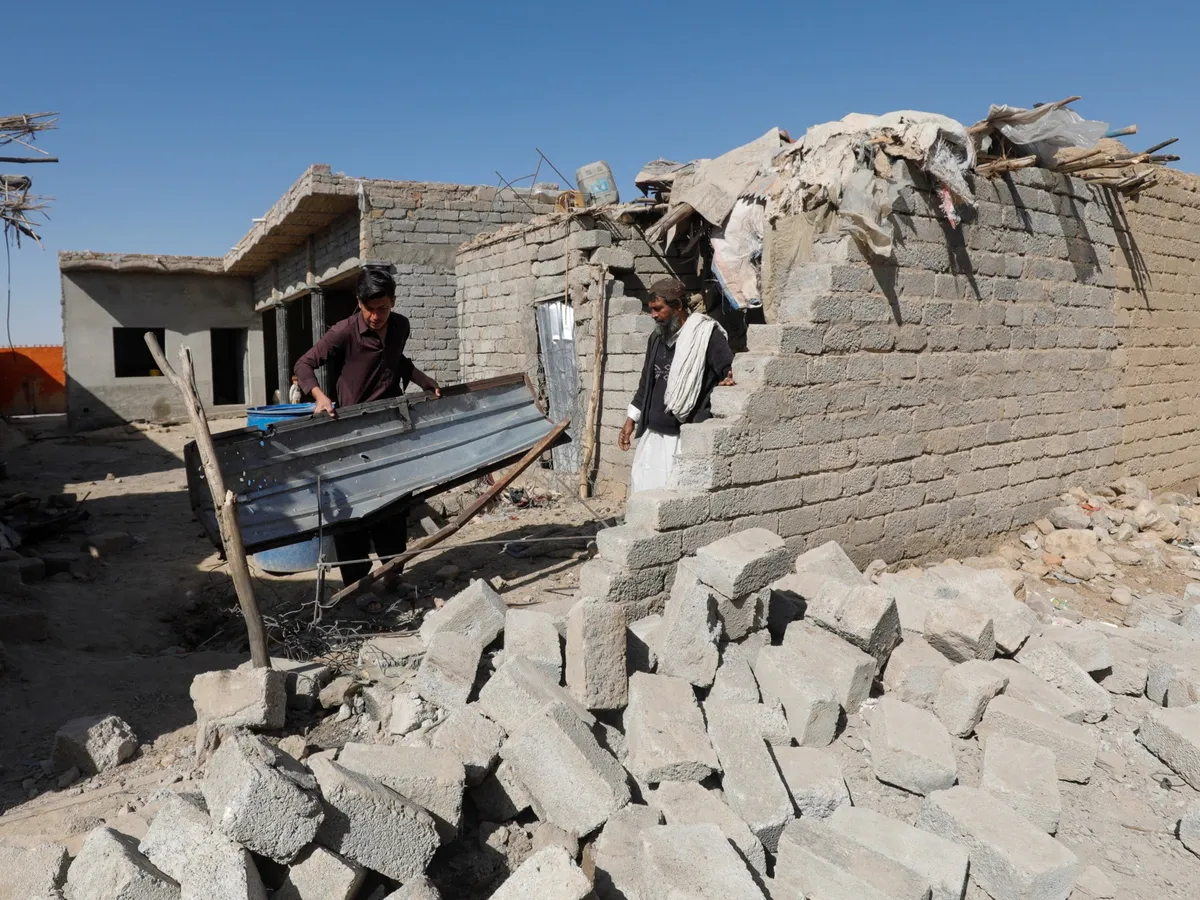
In response to the drone strikes, President Asif Ali Zardari condemned the actions, stating that Kabul had crossed a red line by targeting civilians. The Pakistani military claimed that the drones were intercepted before reaching their intended targets, but the reality on the ground suggests a different narrative. The immediate effects of these drone strikes have been dire, with five men injured in Bannu after a quadcopter hit a mosque, further straining the already tense relations between Pakistan and the Taliban.
The backdrop to this conflict includes Pakistan’s military operations targeting terrorist camps in Afghanistan, with air strikes launched on February 21 and 22, 2026. The Taliban’s response has been swift and aggressive, utilizing artillery fire and drone attacks against Pakistani territory. This cycle of retaliation has created a precarious situation, where both sides are increasingly willing to escalate their tactics.
Experts have weighed in on the implications of this shift in tactics. Abdul Basit, a security analyst, noted, “As much as Pakistan is downplaying these drones, the point is not what level of drone they are; the point is that drones are coming, and they are coming to the capital.” He further elaborated on the evolving nature of warfare, stating, “The Taliban relied on rapidly evolving, adapting techniques to fight against American forces during the so-called war on terror. Now these drones are effectively a suicide bomber from the air.” This perspective underscores the changing dynamics of conflict in the region.
Moreover, the potential for catastrophic consequences looms large. Basit warned, “If a drone were to strike a senior civilian target, or a high-profile urban installation, the consequences would be severe; it could even become an aviation nightmare.” This highlights the urgent need for Pakistan to reassess its defense strategies in light of the increasing drone threat.
As the situation unfolds, the response from Pakistan has been described as reactionary and ad hoc by analysts like Hammad Waleed. The lack of a cohesive strategy to address the drone threat raises concerns about the future stability of the region. Details remain unconfirmed regarding the exact impact of the drone strikes on civilian casualties, but the escalating violence suggests a troubling trend that could have far-reaching implications for Pakistan and its neighbors.
In summary, the recent drone strikes in Pakistan signify a critical juncture in the ongoing conflict with the Taliban. As both sides continue to adapt their tactics, the potential for civilian casualties and broader regional instability remains a pressing concern. The international community watches closely as Pakistan navigates this complex and dangerous landscape.