Until recently, the geopolitical landscape surrounding the US-Iran conflict was marked by escalating tensions and military posturing. The US had initiated military operations against Iran over five weeks ago, leading to fears of a broader conflict. With 20 percent of the world’s oil and gas supplies passing through the Strait of Hormuz, the stakes were incredibly high, and the potential for catastrophic consequences loomed large.
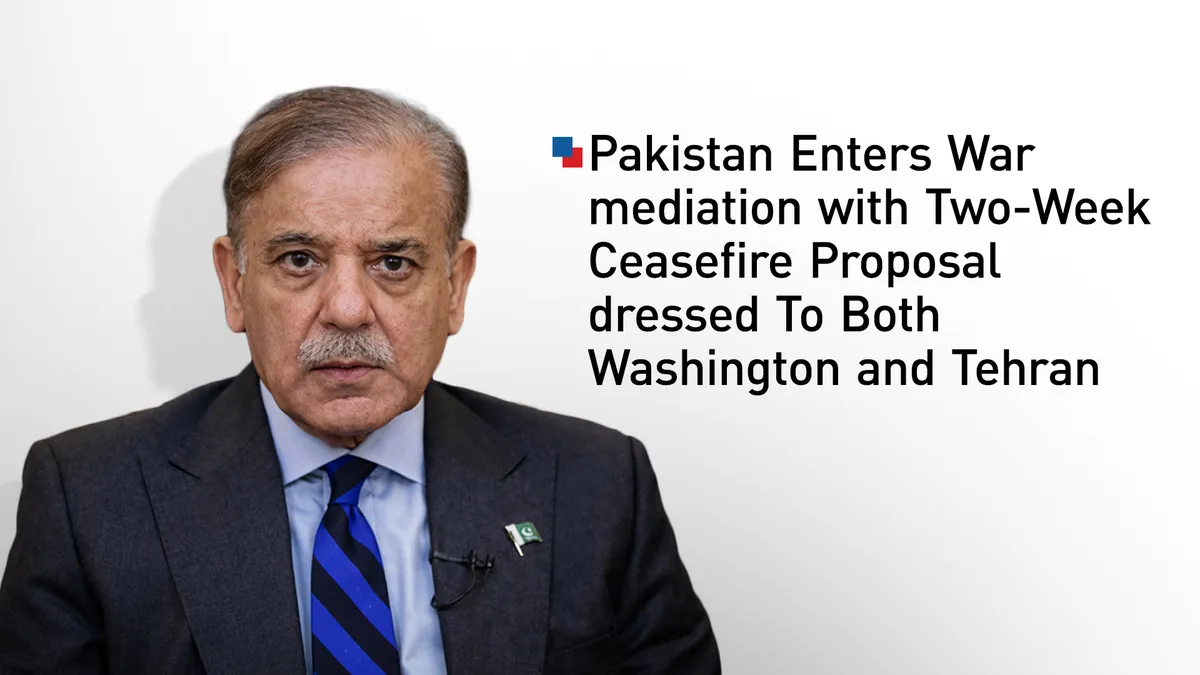
However, a decisive moment emerged when Pakistan stepped into the role of mediator. On April 7, 2026, it was confirmed that Pakistan was actively working to establish a ceasefire between the US and Iran. This effort gained traction when US President Donald Trump acknowledged the involvement of Vice President JD Vance in the mediation process, indicating a shift in strategy from military action to diplomatic engagement.
Pakistan’s Prime Minister Shehbaz Sharif called for a two-week extension of the US strike authorization against Iran while simultaneously urging Iran to reopen the Strait of Hormuz as a gesture of goodwill. This dual approach highlighted Pakistan’s attempt to balance the demands of both parties while fostering a conducive environment for dialogue.
Despite these efforts, Iran’s response was less than favorable. The Iranian government rejected Pakistan’s ceasefire proposal, labeling it as ‘illogical.’ This rejection underscores the complexities and challenges inherent in the mediation process, as both sides remain entrenched in their positions.
As tensions escalated, Trump warned that ‘a whole civilization will die tonight’ if the situation deteriorated further. His stark rhetoric reflects the urgency and gravity of the situation, emphasizing the need for immediate diplomatic solutions.
The mediation framework proposed by Pakistan includes confidence-building measures followed by a formal ceasefire. However, details remain unconfirmed, leaving the effectiveness of these measures in question. The Iranian ambassador to Pakistan indicated that the mediation was at a ‘critical, sensitive stage,’ suggesting that while there is potential for progress, significant hurdles remain.
Vance’s role in the negotiations has been deemed significant by both the US and Iran, yet the cancellation of two planned visits by the US delegation to Islamabad raises concerns about the viability of ongoing discussions. The situation remains fluid, with both sides engaged in escalating rhetoric amid the conflict.
Experts like Omani Foreign Minister Badr Al Busaidi have noted that ‘the big picture is that a deal is in our hands,’ suggesting that despite the current setbacks, there remains a pathway to resolution. However, the rejection of the ceasefire proposal by Iran casts doubt on the immediate prospects for peace.
As Pakistan continues its mediation efforts, the international community watches closely, aware that the outcome could have profound implications for regional stability and global energy markets. The stakes are high, and the need for effective diplomacy has never been more critical.