What challenges will the 2026 Paris-Roubaix present to the riders, and how might it redefine the landscape of women’s cycling? The answer lies in the race’s demanding course, which will cover 148 kilometers, including over 33 kilometers of treacherous pavé. This combination of distance and difficulty is set to test the limits of even the most seasoned competitors.
In recent years, the Paris-Roubaix has gained prominence as a pinnacle event in women’s cycling. The 2025 edition was won by Pauline Ferrand-Prévot, who demonstrated exceptional skill and endurance, while Lotte Kopecky claimed victory in 2024. The upcoming race will see these champions and other formidable riders, such as Zoe Bäckstedt, who finished third in 2025, and the experienced Marianne Vos, who at 38 years old continues to be a significant force in the sport.
The 2026 race will introduce additional challenges, with the first four cobbled sectors following one another in quick succession. This change is expected to heighten the intensity of the competition, as riders will need to navigate these sections with precision and speed. George Hincapie, a notable figure in cycling, remarked, “This is going to be one of the hardest days of their lives, but it could be one of the most rewarding days of their lives as well.” His words encapsulate the spirit of this grueling event.
As the race approaches, teams are gearing up for the challenge. Modern Adventure, a first-year team, will be making its debut in Paris-Roubaix, adding an element of unpredictability to the competition. Riders like Nina Berton, who is in her fourth season as a pro, are eager to make their mark. Berton expressed her aspirations, stating, “I will be satisfied if I get to the velodrome in Roubaix and know that I didn’t just survive, but actually influenced the race in my own way.” This sentiment reflects the ambition and determination that many riders will bring to the event.
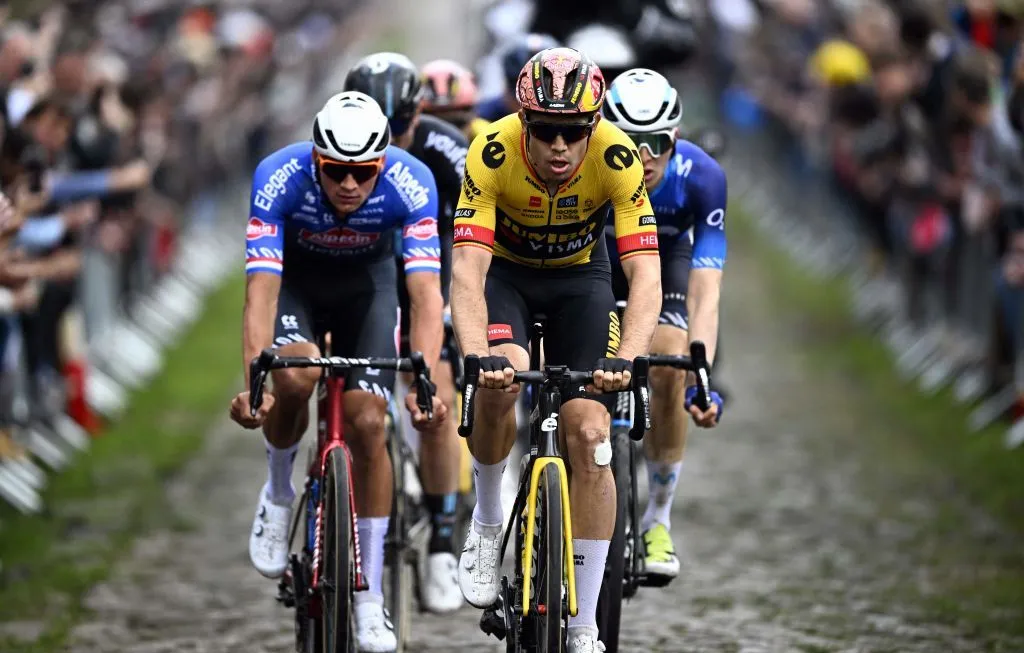
The Paris-Roubaix is renowned for its harsh cobblestones and challenging conditions, with a total of 55 kilometers of cobbled sections throughout the race. This year, the addition of four new cobbled sections will further test the riders’ resilience and strategy. As they prepare for the race, it is clear that the competitors will need not only physical strength but also a unique skill set that is rarely required in other races. Kasper Asgreen, a seasoned cyclist, noted, “It takes a skill set that you don’t find in any other race, along with the physical strength.”
With the event date set for April 11, 2026, anticipation is building among fans and competitors alike. The race promises to be a showcase of talent, endurance, and the relentless spirit of women’s cycling. Yet, as with any major sporting event, uncertainties remain. Details about the specific conditions on race day and the strategies teams will employ are still under wraps, leaving room for speculation and excitement.
As the countdown to Paris-Roubaix 2026 continues, the cycling community is eager to witness how this historic race will unfold. Will it solidify the status of women’s cycling on the global stage? Only time will tell, but one thing is certain: the riders will face one of the toughest challenges of their careers, and the outcome could have lasting implications for the sport.