Before the recent developments, expectations surrounding U.S. military engagements were largely shaped by historical precedents, notably the infamous attack on Pearl Harbor in 1941. This event, which resulted in over 2,400 deaths, marked a pivotal moment that propelled the United States into World War II. The legacy of Pearl Harbor has long been a cautionary tale about the perils of surprise attacks and the importance of intelligence sharing among allies.
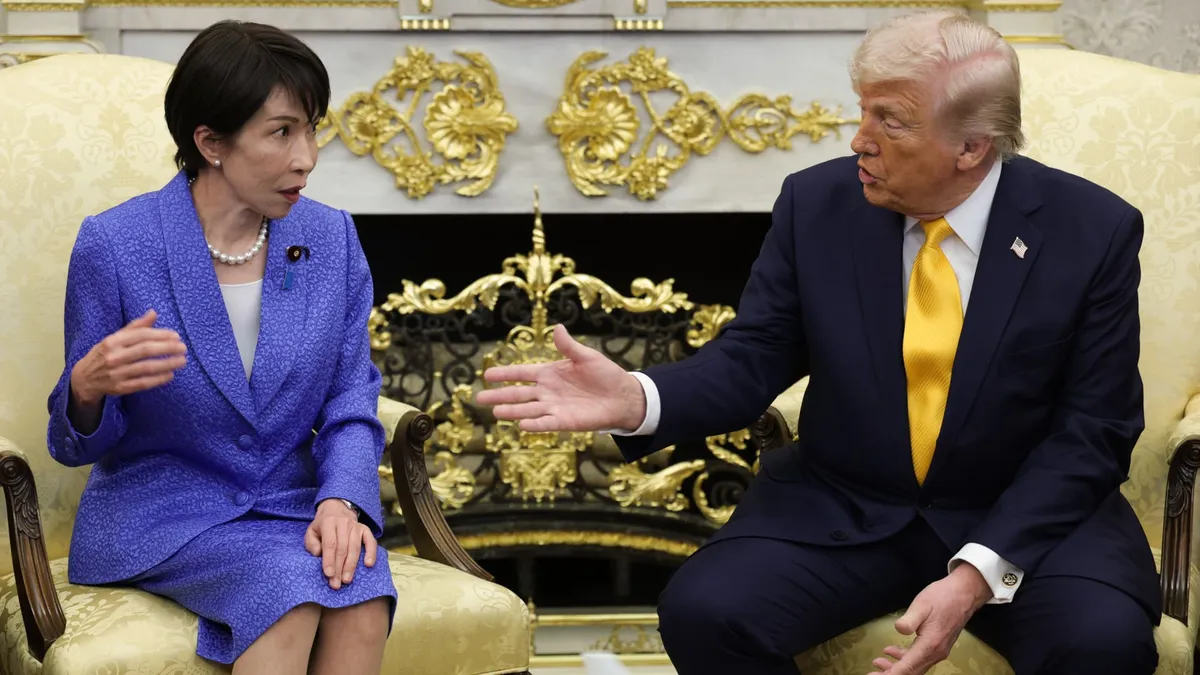
However, during a meeting on March 19, 2026, in Washington, DC, Donald Trump made headlines by referencing Pearl Harbor in a contemporary context. He remarked, “Who knows better about that. Why didn’t you tell me about Pearl Harbor? You believe in surprise much more so than I,” while discussing the U.S. military’s recent actions in Iran. This comment came in light of the U.S. not informing its allies about the initial strikes on Iranian capabilities, which reportedly knocked out 50% of their military assets within the first two days.
The immediate effect of Trump’s comments was a stir among international observers, particularly regarding Japan’s military stance. Prime Minister Sanae Takaichi responded by asserting that Japan had no plans to dispatch naval vessels to the Middle East, emphasizing the constraints imposed by Japan’s pacifist constitution, which renounces war. This statement highlights a significant contrast between the U.S. approach and Japan’s historical commitment to non-military engagement.
Furthermore, Trump’s remarks were juxtaposed with responses from European allies. Germany and France have clearly stated they would not participate in military actions related to the ongoing conflict in Iran. This divergence in military policy underscores the complexities of international alliances and the varying interpretations of security responsibilities.
Experts suggest that Trump’s reference to Pearl Harbor may reflect a broader strategy of leveraging historical narratives to justify current military actions. By invoking such a significant historical event, Trump appears to be framing the U.S. approach to modern conflicts as a necessary response to perceived threats, much like the response to Japan’s surprise attack decades ago.
In the wake of these developments, the implications for U.S.-Japan relations remain to be seen. While Trump praised Japan for its role in securing the Strait of Hormuz, the tension between maintaining surprise in military operations and the need for transparent alliances poses a challenge for both nations.
As the situation evolves, the historical context of Pearl Harbor serves as a reminder of the delicate balance between surprise and collaboration in international military strategy. Details remain unconfirmed regarding the long-term effects of these recent comments on diplomatic relations.