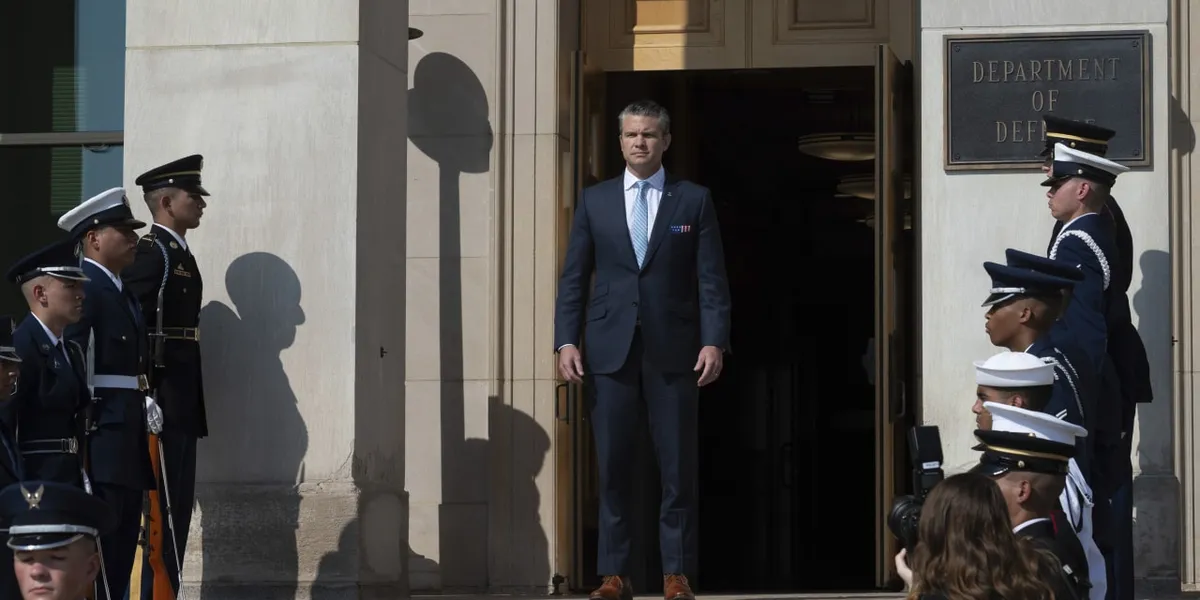
On April 22, 2026, Pete Hegseth removed Navy Secretary John Phelan, marking a significant consolidation of power at the Pentagon. This move follows the earlier dismissal of Army Chief of Staff Gen. Randy George, raising alarms about a shift from military oversight to political control.
Hegseth’s strategy includes major decisions regarding weapons procurement and promotions within the military hierarchy. Sources indicate that all authority has shifted from military uniforms to political appointees, a change that has left many in the defense community uneasy.
Phelan alleged that Hegseth and Deputy Defense Secretary Steve Feinberg executed a “land grab” over critical submarine and shipbuilding decisions. The speed of Phelan’s ouster was remarkable—he was removed within minutes after voicing his concerns.
According to an official with direct knowledge of the incident, “It took literally three minutes for his s***talking to get back to the front office.” Such rapid action suggests a chilling atmosphere for dissent within the ranks.
Hegseth himself appears emboldened by these developments, reportedly feeling “more confident than ever in his job.” His agenda aims to restore what he terms the warrior ethos while refocusing military priorities on lethality and combat readiness—elements he believes were diluted under previous administrations.
Observers note that this consolidation reflects broader trends seen during the Trump administration, where political considerations often overshadowed military expertise. As reforms unfold, many are left wondering how these changes will impact long-standing military traditions.
Currently, Hung Cao serves as Acting Secretary of the Navy, stepping into a role that has undergone significant upheaval. The implications of Hegseth’s moves extend beyond personnel; they signal a potential reconfiguration of how defense policies are shaped and implemented.