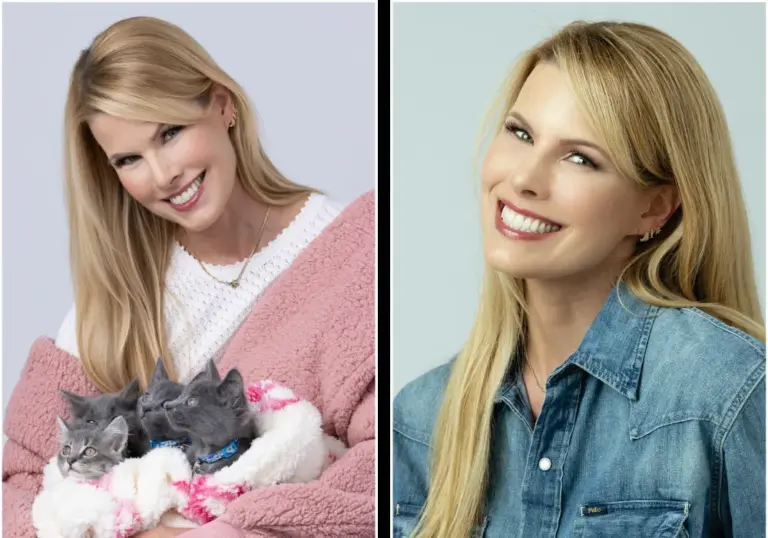
The controversy over Jennifer Hegseth’s $42 Shein dress at the White House Correspondents’ Association dinner on April 27, 2026, has ignited discussions about fashion, politics, and social media scrutiny. This incident brings to light not only the choices of political spouses but also the broader implications of fast fashion in contemporary society.
Jennifer Hegseth, wife of Fox News host Pete Hegseth, chose a striking dress from Shein—a brand notorious for its fast fashion practices. The dress cost a mere $42 and boasts an impressive rating of 4.88 stars out of 5. However, it was misidentified by Parsons student Ella Devi as being from Temu, which offers a similar dress for just $20. This misstep quickly spiraled into a larger conversation about consumer choices in the political arena.
Social media erupted with reactions following Jennifer’s Instagram post showcasing her outfit, which garnered over 7,000 likes. Yet, the backlash included sharp criticism aimed at fast fashion’s ethical implications—particularly regarding nationalism and responsible consumption. Aja Barber noted that “a dress should cost more than $40,” emphasizing concerns about labor practices and environmental impacts associated with such low-cost garments.
The debate intensified when Laura Loomer defended Jennifer’s choice, questioning why spending less on a dress should invite derision: “She looks amazing. I thought the left was about ‘eating the rich’?” Loomer’s comment reflects a growing divide in how fashion choices are perceived based on political affiliations.
This incident is not isolated; it highlights a trend where political figures’ fashion choices face increased scrutiny—especially on platforms like Twitter and Instagram. Fast fashion is known to kick up all kinds of digital debate about overconsumption and environmentalism. As public figures navigate their roles in politics and society, their sartorial decisions become part of a larger narrative.
As the discourse continues to evolve, some uncertainties linger regarding how this backlash might influence future fashion choices among political figures. Will they steer clear of brands like Shein to avoid controversy? Or will they embrace these affordable options despite potential criticisms?
Ultimately, Jennifer Hegseth’s choice serves as a case study in the intersection of style and substance within political contexts. The ongoing conversations around ethical consumption and fast fashion are likely to remain relevant as society grapples with what it means to be both fashionable and responsible.