Introduction
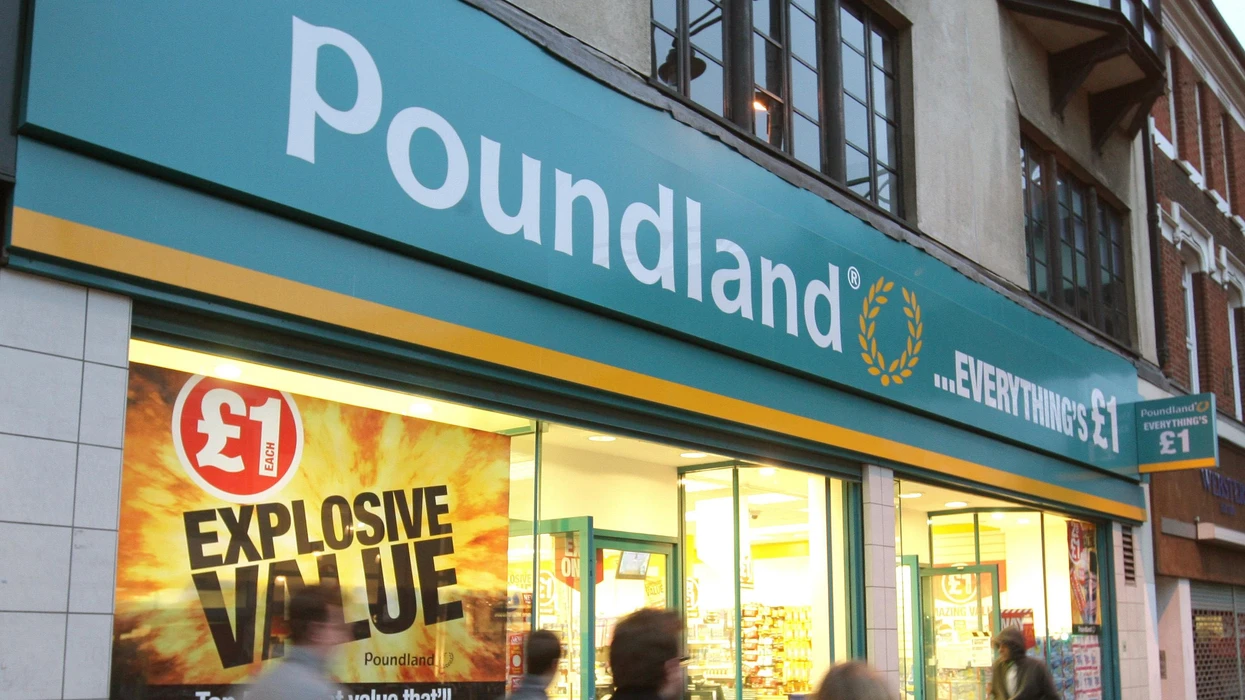
The recent announcements regarding Poundland closures have raised significant concerns across the UK retail landscape. As one of the country’s most recognisable discount retailers, Poundland has long been a staple in high streets and shopping centres. However, the ongoing economic challenges and shifts in consumer behaviour have led the company to streamline its operations, resulting in potential job losses and reduced shopping options for communities.
Poundland’s Current Challenges
Poundland announced earlier this month that it will be closing several stores in key locations due to a combination of high operational costs, falling sales, and changing consumer preferences. Many shoppers are increasingly seeking convenience, turning to online shopping or larger superstores where they can buy multiple items at once. The company has also faced pressure from rising inflation rates, which have severely impacted profit margins.
Details of Store Closures
Reports indicate that around 50 stores are scheduled for closure across various regions, including cities such as London, Birmingham, and Manchester. In an official statement, the company’s CEO cited the need to adapt to an evolving marketplace as a principal reason for the decision, stating, “We must ensure our business remains sustainable and competitive.” Many of the affected stores are situated in areas where multiple retail options are available, which may be contributing to underperformance.
Consequences for Local Economies
The closures are likely to have a ripple effect on local economies. Not only will they result in job losses for dozens of employees, but they will also impact foot traffic for neighbouring businesses, which may rely on the steady stream of customers that a Poundland store provides. Local councils are expressing concerns about the potential increase in vacant retail spaces and the challenges that might pose for community revitalisation efforts.
Looking Ahead
As Poundland navigates these challenging times, the focus on restructuring and adapting to consumer needs will be crucial for its survival. Experts suggest that the company may explore different business models, perhaps enhancing its online presence or diversifying its product offerings to entice shoppers back into stores. Additionally, as more consumers gravitate towards ethical and sustainable purchasing, a strategic shift towards eco-friendly products might also be contemplated.
Conclusion
The Poundland closures serve as a stark reminder of the broader changes impacting the UK retail landscape. While the immediate loss of local stores is disheartening for many communities, there remains an opportunity for the brand to reinvent itself in a competitive market. The importance of adapting to consumer trends cannot be overstated, and how effectively Poundland approaches this challenge may ultimately determine its future viability in the UK retail environment.