Introduction
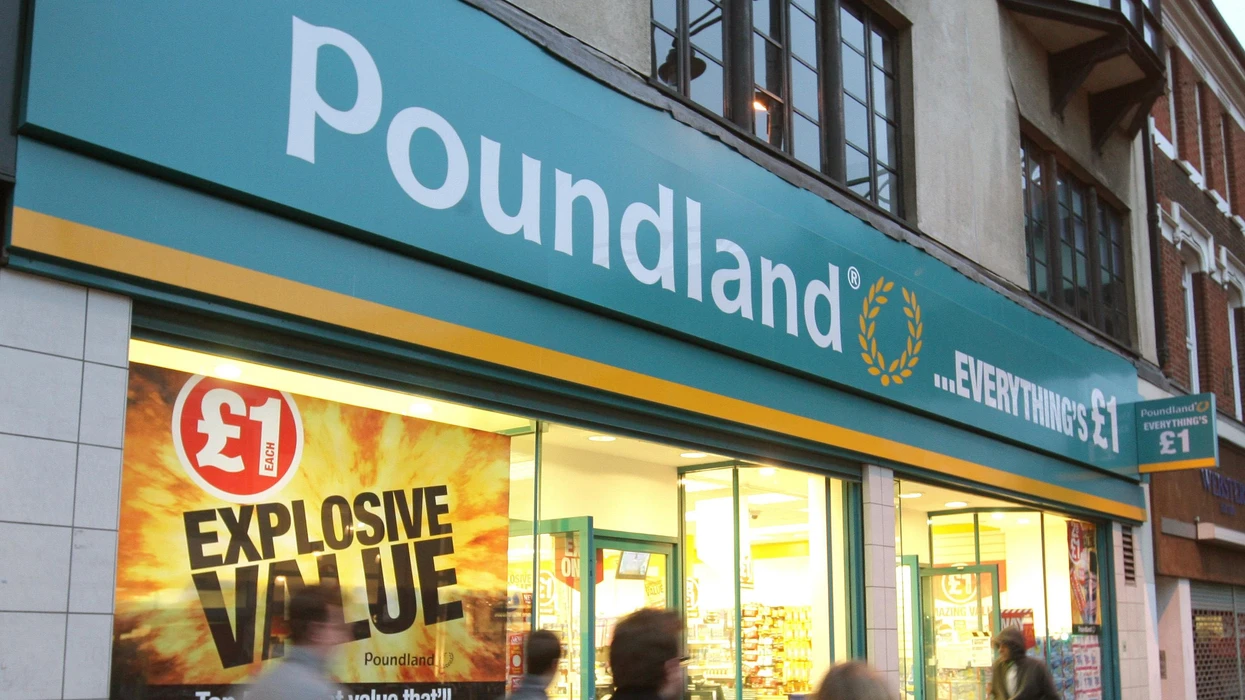
Poundland, the popular British variety retailer, recently announced a strategic shift that will see an end to its ongoing store closures. This decision comes as a beacon of hope in the retail sector, which has faced numerous challenges over the past few years, including changing consumer habits and the aftermath of the COVID-19 pandemic. With this new direction, Poundland aims to stabilise its presence on the UK high street, contributing to local economies and revitalising shopper confidence.
Poundland’s Decision
The company confirmed that it would pause any plans for further store closures that had been part of a restructuring effort initiated in previous years. Current estimates suggest that around 800 locations remain operational, and the cessation of closures is expected to allow the retailer to focus on enhancing its customer experience and product offerings. According to Poundland’s management, the end of closures is a response to positive sales figures and a stronger than expected recovery in consumer demand.
Market Response
Industry experts note that this decision is significant in the broader context of UK retail. As many retailers have faced the harsh reality of financial struggles or closure over the past years, Poundland’s move represents optimism in the retail marketplace. Analysts suggest that by stopping closures, the retailer is not only looking to retain its loyal customer base but is also aiming to attract new shoppers drawn by their vast assortment of low-cost products. In recent months, Poundland has seen a spike in foot traffic, which could indicate a lucrative return to pre-pandemic sales levels.
Future Outlook
Looking ahead, analysts believe that this shift in strategy could also pave the way for expansion in the future. As the economic landscape continues to evolve, retailers like Poundland might explore opportunities to introduce new stores in areas that show potential for growth. Furthermore, with the cost-of-living crisis impacting many UK households, Poundland’s value proposition is likely to gain more traction in the coming months. This is seen as vital for not only the company but for consumers seeking affordability in their shopping choices.
Conclusion
Poundland’s decision to end store closures is a significant step towards retail recovery and presents an encouraging outlook for both the company and its customers. It signals a commitment to the British high street, aiming to bolster the retail environment amidst ongoing economic challenges. Stakeholders and consumers alike are hopeful that this strategic pivot will yield long-term benefits, leading to further innovations and engagement within the retail sector.