Current Situation of Gold Prices
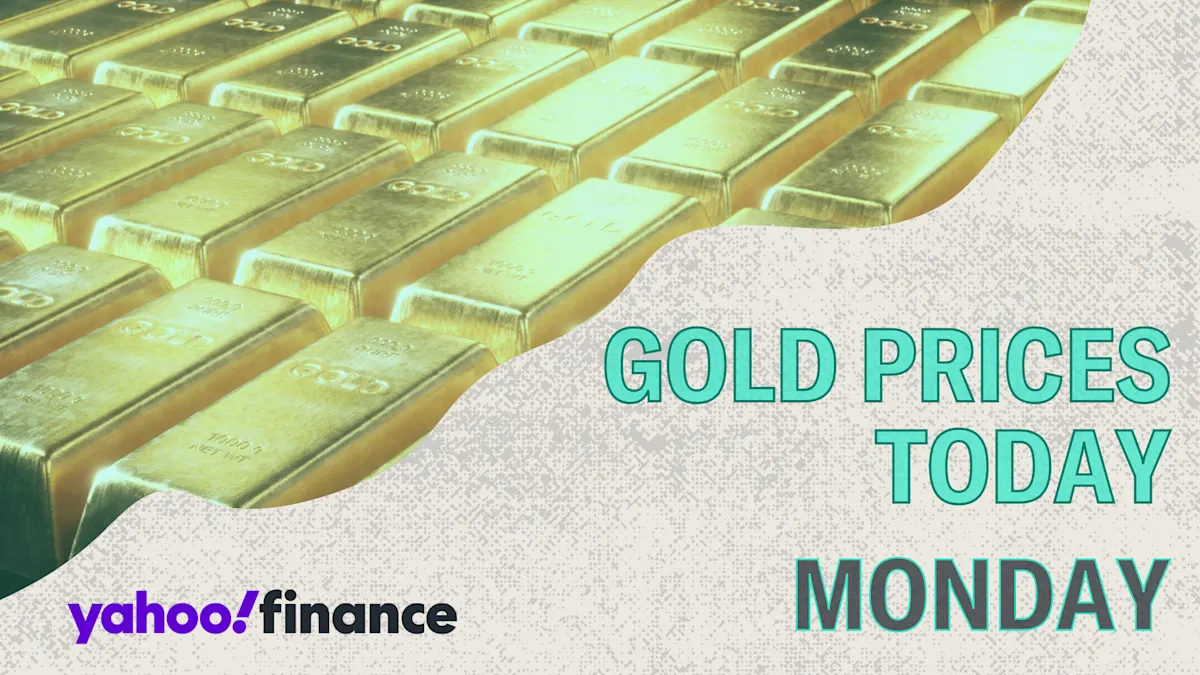
The price of gold has experienced significant fluctuations recently, with April futures opening at $5,095 per troy ounce on Monday. This marks a 1.2% decrease from Friday’s closing price of $5,158.70. Over the past week, gold has declined by 4.7%, reflecting a broader trend in the market.
Market Influences
Several factors are contributing to the current state of gold prices. Spot gold was reported at $5,109.39 per ounce, while U.S. gold futures for April delivery fell by 0.8% to $5,118.20. The recent rise in oil prices, which surged more than 15% to levels not seen since mid-2022, is a primary catalyst for gold’s pullback. Analysts suggest that this increase in oil prices is leading to rising inflation expectations, prompting central banks to adopt a more hawkish stance.
Analyst Insights
UBS analyst Giovanni Staunovo commented on the situation, stating, “Historically, it is not uncommon to see gold falling as first reaction when financial markets show stress signs as gold is a highly liquid asset.” This observation underscores the sensitivity of gold prices to broader economic signals, particularly in times of market volatility.
Inflation and Interest Rates
The dollar index has also risen to near three-month highs, while U.S. 10-year Treasury yields climbed to a one-month high. These developments indicate a tightening financial environment, which typically exerts downward pressure on gold prices. Market participants are interpreting the higher oil prices as a signal of rising inflation, which could lead to more aggressive monetary policies from central banks.
Despite the recent downturn, gold has shown remarkable resilience over the past year, with a one-year gain of 95.6% reported on January 29. This historical performance highlights gold’s role as a safe haven asset during times of economic uncertainty, although the current market dynamics are presenting new challenges.
As the market continues to react to rising oil prices and changing economic indicators, observers are closely monitoring how these factors will influence the price of gold moving forward. Analysts suggest that if inflation continues to rise and central banks maintain a hawkish approach, gold may face further downward pressure in the near term.
In summary, the price of gold is currently experiencing a notable decline influenced by rising oil prices and shifting market conditions. As financial markets react to these developments, the outlook for gold remains uncertain, with key analysts emphasizing the importance of monitoring inflation and central bank policies.