Before the Release
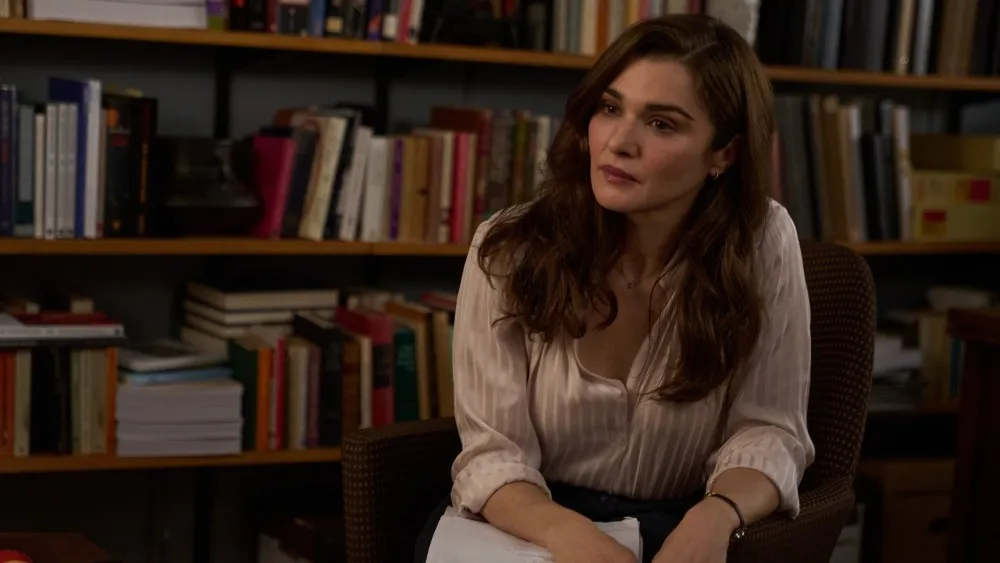
Prior to the release of Netflix’s ‘Vladimir’, expectations were high for a series that promised to explore the intricacies of female identity and desire. With Rachel Weisz cast as the unnamed protagonist, audiences anticipated a compelling narrative that would resonate with contemporary discussions surrounding women’s roles in society, particularly those over 50. The series was based on a novel by Julia May Jonas, which had garnered attention for its thought-provoking themes and character depth.
A Decisive Moment
‘Vladimir’ was officially released on March 5, 2026, marking a significant moment in Weisz’s career. The series follows a college professor who becomes obsessed with a colleague named Vladimir, a married man. This narrative choice immediately set the stage for a complex exploration of desire, fidelity, and the challenges faced by women in academia. The protagonist’s struggle with her relevance as a woman over 50 adds another layer of depth to the story, reflecting real societal issues.
Immediate Effects
The immediate reception of ‘Vladimir’ highlighted both the strengths and weaknesses of its execution. While some praised the series for its bold themes and Weisz’s performance, others noted that it fell short of the high bar set by similar series like ‘Fleabag’. John Slattery, who plays the protagonist’s husband facing disciplinary action for an inappropriate relationship, adds a contrasting dynamic to the narrative, showcasing the complexities of personal and professional lives intertwining.
Expert Perspectives
Julia May Jonas, who adapted her own novel for the screen, expressed hopes that the series would resonate with viewers as a slow burn, allowing audiences to connect deeply with the protagonist’s experience. She stated, “I hope that it is a slow burn, that feeling. Because you need to, at first, be on her side — you want to be inside of her experience.” This sentiment underscores the intention behind the series to foster empathy and understanding for the protagonist’s journey.
Exploring Female Identity
The series delves into themes that resonate with many women today, particularly those navigating the complexities of identity and desire in their later years. As Jonas pointed out, “M isn’t just a professor, after all; she’s a writer, a parent, and a woman — roles that come with a certain degree of influence.” This multifaceted portrayal aims to challenge stereotypes surrounding older women and their narratives in media.
Comparative Analysis
Critics have drawn comparisons between ‘Vladimir’ and ‘Fleabag’, noting that while both series tackle themes of desire and identity, ‘Vladimir’ does not quite reach the same level of execution. This critique highlights the challenges faced by new series in establishing their unique voice while navigating the expectations set by successful predecessors. The metafictional elements present in ‘Vladimir’ add an intriguing layer, inviting viewers to reflect on the nature of storytelling itself.
Future Implications
As ‘Vladimir’ continues to unfold over its eight episodes, the implications for Rachel Weisz’s career and the broader conversation around female representation in media are significant. The series not only showcases Weisz’s talent but also contributes to an evolving narrative landscape where women’s stories, particularly those of older women, are increasingly brought to the forefront. Details remain unconfirmed regarding the series’ long-term impact, but its initial reception suggests a growing appetite for nuanced portrayals of women in complex situations.