Who is involved
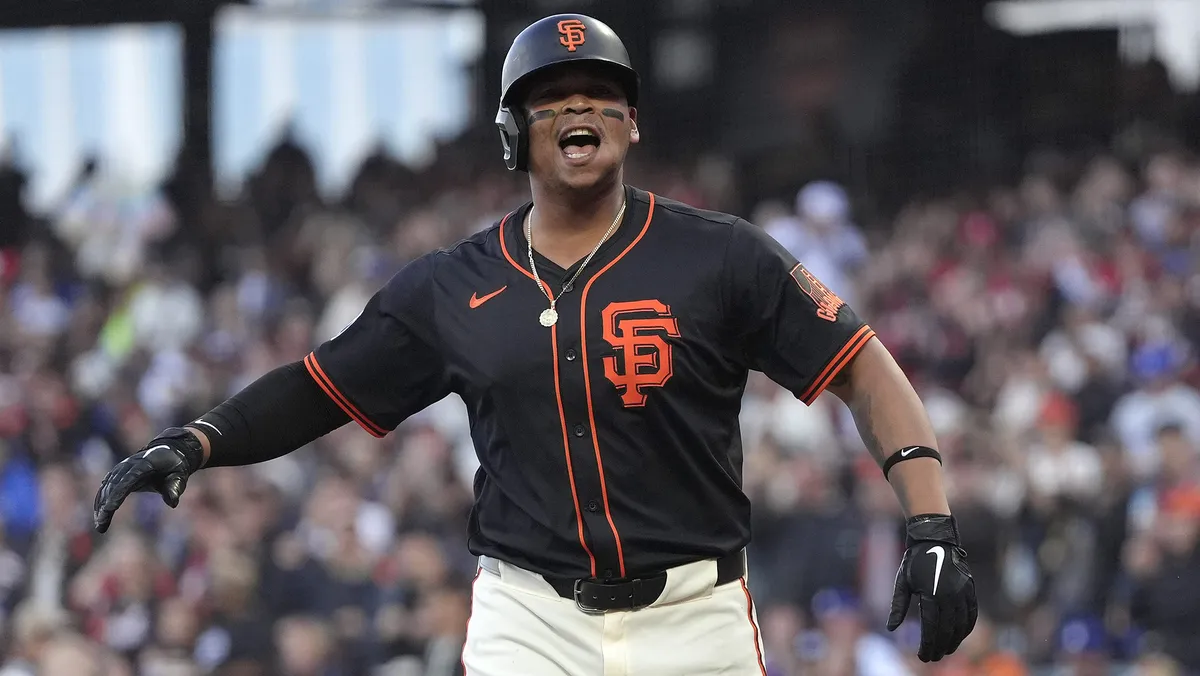
Before the trade that sent Rafael Devers from the Boston Red Sox to the San Francisco Giants in June 2025, expectations were high for the young star. Devers, known for his powerful hitting and solid defensive skills, had established himself as a key player for the Red Sox. However, his tenure in Boston was marred by dissatisfaction, particularly regarding the team’s request for him to switch positions following an injury to Triston Casas. This request created tension, leading to Devers’ eventual departure.
The decisive moment came with the trade itself, which not only shifted Devers’ career trajectory but also altered the dynamics within both teams. As he prepares to start the 2026 season playing first base for the Giants, the numbers from his last season with the Red Sox are telling. Devers posted a .252 batting average, a .372 on-base percentage, and a .479 slugging percentage. He scored 99 runs, hit 35 home runs, and drove in 109 runs, ranking 9th in MLB for RBIs. These statistics highlight his offensive capabilities, even as he faced challenges with a 26.3% strikeout rate and a 15.4% walk rate.
The immediate effects of Devers’ trade are significant for both the Giants and the Red Sox. For the Giants, acquiring Devers is seen as a strategic move to bolster their lineup and improve their chances in the competitive NL West. Mike Axisa, a noted baseball analyst, suggested that Devers could be a Gold Glove finalist in 2026, indicating high expectations for his defensive performance at first base. Meanwhile, the Red Sox are left to reassess their roster and future strategies without one of their most talented players.
Expert voices weigh in on the implications of this trade. While some argue that the Red Sox were right to move on from Devers as a third baseman, they also acknowledge that the trade was a beneficial one for the Giants. The shift in position for Devers, who expressed reluctance to play anywhere but designated hitter prior to the trade, suggests a willingness to adapt and contribute to his new team. “I know I’m a ballplayer, but at the same time, they can’t expect me to play every single position out there,” Devers stated, reflecting his concerns about versatility.
As Devers transitions to his new role, the Giants will be looking to leverage his power-hitting abilities while also addressing his defensive responsibilities. The combination of his past performance and the new expectations in San Francisco sets the stage for a potentially transformative season. The Giants hope that Devers can replicate or even exceed his previous success, while Devers himself is likely eager to prove that he can thrive in a new environment.
Looking ahead, the Giants’ decision to place Devers at first base could pay dividends, particularly if he can improve upon his previous season’s metrics. His OPS of .851 ranked 16th in MLB, and if he can enhance his on-base and slugging percentages, he could become a cornerstone of the Giants’ lineup. However, the pressure is on for Devers to deliver, especially given the high expectations surrounding his move.
In summary, Rafael Devers’ trade to the San Francisco Giants marks a pivotal moment in his career. As he embraces a new position and team, both he and the Giants face a critical season ahead. The dynamics of this trade will continue to unfold, and while the potential for success is evident, uncertainties remain about how well Devers will adapt to his new role and whether he can meet the lofty expectations set before him.