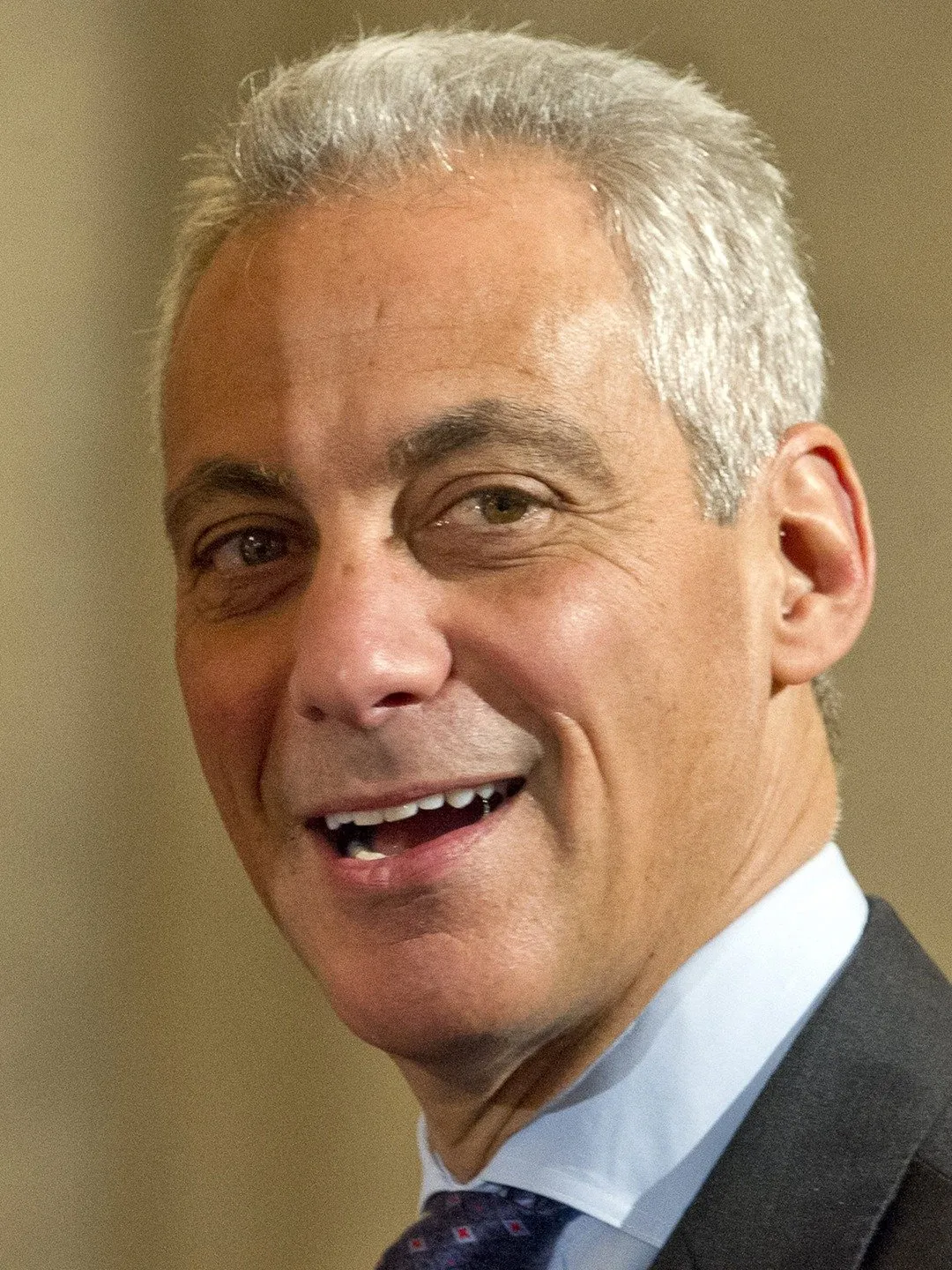
Rahm Emanuel, the former Chicago mayor and current U.S. ambassador to Japan, is actively considering a run for the presidency in 2028. During a recent Stand Up New Hampshire town hall, Emanuel emphasized his desire to engage with as many Americans as possible before making a final decision about his candidacy. This engagement comes at a pivotal moment as he unveils a transformative education plan aimed at redirecting significant federal funds.
Emanuel’s proposal seeks to shift a staggering $7.66 billion annually from the budget allocated for ICE detention facilities to community colleges across the United States. This initiative is not merely a financial maneuver but a strategic pivot in addressing the pressing needs of the American workforce. Emanuel stated, “The priority for Americans should be education, not detention,” highlighting his belief that investing in education is crucial for the nation’s future.
The numbers
Under Emanuel’s plan, over 1,000 community colleges would benefit from this funding, which represents approximately 20 percent of the $38.3 billion budget previously earmarked for ICE. The initiative aims to forge partnerships between these educational institutions and regional employers, creating specialized job training programs that align with the demands of emerging industries. Emanuel believes that community colleges will play a central role in retraining workers displaced by automation, especially as artificial intelligence continues to reshape the job market.
Historically, Emanuel has been a proponent of educational initiatives, having created scholarship programs during his tenure as mayor of Chicago. Now, at 66 years old, he is positioning himself as a candidate who prioritizes education reform in a political landscape that often overlooks the importance of workforce development. His approach resonates with many Democratic activists who are eager for a candidate that addresses the economic challenges facing everyday Americans.
As Emanuel tours colleges in South Carolina as part of his campaign strategy, he is not just promoting his educational vision but also seeking to connect with voters on a personal level. He remarked, “They haven’t lost faith in America, but the leaders of America have lost faith with the American people,” a statement that underscores his commitment to restoring trust between the electorate and their leaders.
Observers are keenly watching Emanuel’s moves as he navigates this potential presidential run. His focus on education and workforce development could differentiate him from other candidates in the crowded Democratic field. However, the success of his plan will depend on garnering support not only from party members but also from the broader electorate who may be skeptical of shifting funds from immigration enforcement to education.
Details remain unconfirmed about how Emanuel plans to implement this ambitious proposal if he decides to run. The political landscape will undoubtedly evolve as the 2028 election approaches, and Emanuel’s ability to articulate a clear and actionable education policy will be critical in shaping his candidacy. As he continues to engage with voters and refine his platform, the implications of his plan could have lasting effects on both education and immigration policy in America.