Introduction
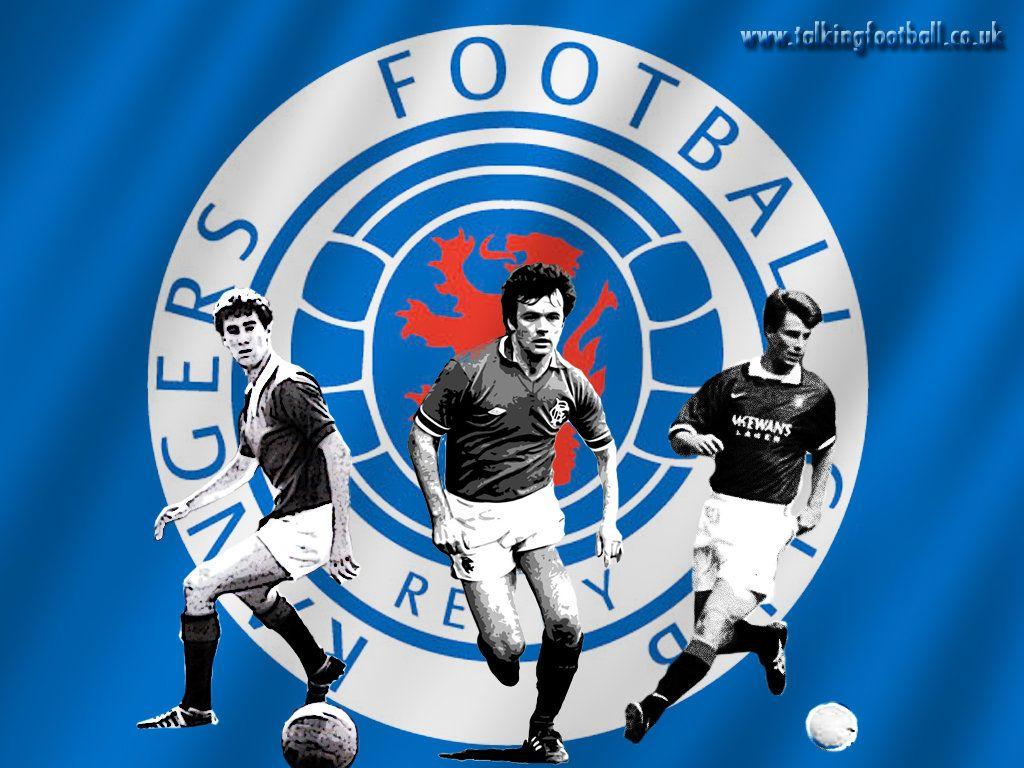
Rangers FC, a Scottish professional football club, is based in Glasgow and is known for its rich history and significant achievements in the world of football. Founded in 1872, the club has become one of the most successful teams in the sport, steeped in local and national pride. With a passionate fan base and a storied rivalry with Celtic, the Old Firm derby is one of the most watched fixtures in football. The importance of understanding Rangers FC lies not only in its footballing success but also in its cultural significance in Scotland.
Historical Achievements
Rangers FC has won a staggering 55 league titles, more than any other club in the world, reflecting their dominance in the Scottish League. Their cup success includes 33 Scottish Cups and 27 League Cups, cementing their status as a powerhouse in Scottish football. Additionally, they lifted the European Cup Winners’ Cup in 1972, marking a historic moment in their European campaigns.
Recent Developments
In recent years, Rangers underwent significant changes, particularly after facing financial difficulties that led to a controversial bankruptcy in 2012. The club was reformed and began its journey from the lower tiers of Scottish football. Under the management of Steven Gerrard, the team returned to the Scottish Premiership and reclaimed the league title in the 2020-21 season, ending Celtic’s nine-year title run. As of the 2023 season, Rangers continues to strengthen its squad, focusing on returning to European competitions with aspirations of restoring their former glory.
Cultural Impact and Fan Engagement
The significance of Rangers FC is visible not just in their achievements but also in their connection with supporters. The club fosters a sense of community, and their supporters are known for their loyalty, showcasing this at every match, home or away. The Ibrox stadium, their iconic home, resonates with chants and undeniable fervor, where fans gather to celebrate victories and lament defeats alike. Moreover, the club engages with its community through various social initiatives and outreach programmes aimed at enhancing the lives of fans and local residents.
Conclusion
Rangers FC represents more than just a football club; it embodies a legacy and a continuing story in Scottish football. With a trajectory of revitalization following their recovery from financial turmoil, the club aims to achieve sustained success in domestic and international competitions. For fans and followers, Rangers FC serves as a symbol of resilience and hope, making the coming years crucial for both the club and its supporters. The forecast for the future highlights excitement and potential as they pursue further titles and re-establish their standing among Europe’s elite football clubs.