The Importance of Israel in Current Events
Israel, a country at the heart of geopolitical tension, continues to be a focal point of international interest due to its complex history and dynamics in the Middle East. The political, social, and economic developments within Israel have significant implications not just for its own citizens, but for the entire region.
Political Turmoil and Governance
As of late 2023, Israel is experiencing heightened political unrest. Prime Minister Benjamin Netanyahu’s controversial judicial reforms have sparked widespread protests, with citizens demanding a more democratic process. These reforms, aimed at limiting the power of the judiciary, have faced backlash for potentially undermining democratic checks and balances. Reports indicate that tens of thousands have taken to the streets in major urban centres, voicing their dissent.
In response to the protests, Netanyahu has attempted to navigate a path that balances reform with public sentiment. Experts suggest that the government’s ability to address these protests will be crucial for its stability moving forward. Failure to do so may lead to further unrest, which could influence upcoming elections.
International Relations and Security Issues
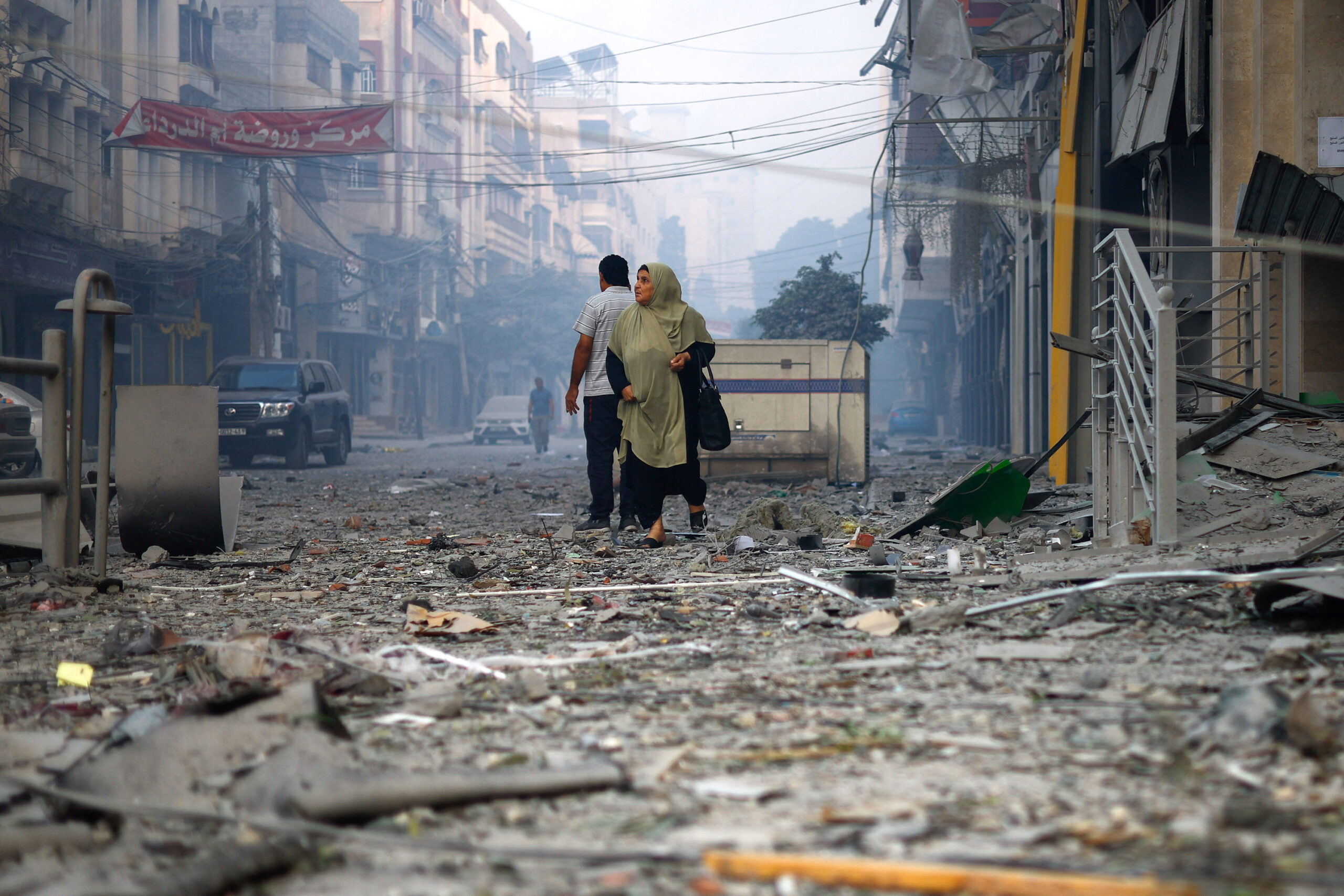
Meanwhile, Israel’s international relations remain complex amid ongoing tensions with Palestine and broader Middle Eastern dynamics. The recent escalation of conflict in Gaza has brought renewed attention to the Israeli-Palestinian situation, with violence erupting sporadically across the region.
Israel’s security strategy, which prioritises military readiness, has drawn criticism from human rights organisations and foreign governments alike, calling for renewed peace negotiations. The international community is urging both parties to return to peace talks, as a prolonged conflict is detrimental not only regionally but also globally, impacting trade and security alliances.
Societal Changes and Cultural Developments
In addition to political and security challenges, Israel is also witnessing significant societal changes. The population is increasingly diverse, with rising voices from minority groups advocating for equal rights and representation. Social movements focusing on issues such as gender equality and LGBTQ+ rights are gaining traction, reflecting a shift towards a more inclusive society.
Conclusion: Looking Ahead
The ongoing challenges facing Israel require robust dialogue and compromise within its society and with its neighbours. As the nation grapples with its internal divisions and external pressures, observers will be closely watching the government’s responses and the population’s resilience. Ultimately, the direction Israel takes will not only affect its people but also the broader stability of the Middle East, making it essential for readers to stay informed about these developments.