Introduction
Train travel remains a vital mode of transportation in Spain, connecting major cities and facilitating tourism. However, the recent spate of train crashes has raised significant concerns regarding railway safety standards and the need for improved infrastructure. With incidents affecting both passenger safety and operational reliability, the urgency of addressing these concerns is higher than ever.
Recent Incidents
In the past few months, Spain has witnessed several train accidents that have prompted national discussions about railway safety protocols. One of the most notable incidents occurred in late June 2023, when a high-speed train derailed near the town of Albacete, resulting in multiple injuries. Authorities noted that the crash stemmed from technical failures combined with adverse weather conditions, underscoring the vulnerability of rail systems during inclement weather.
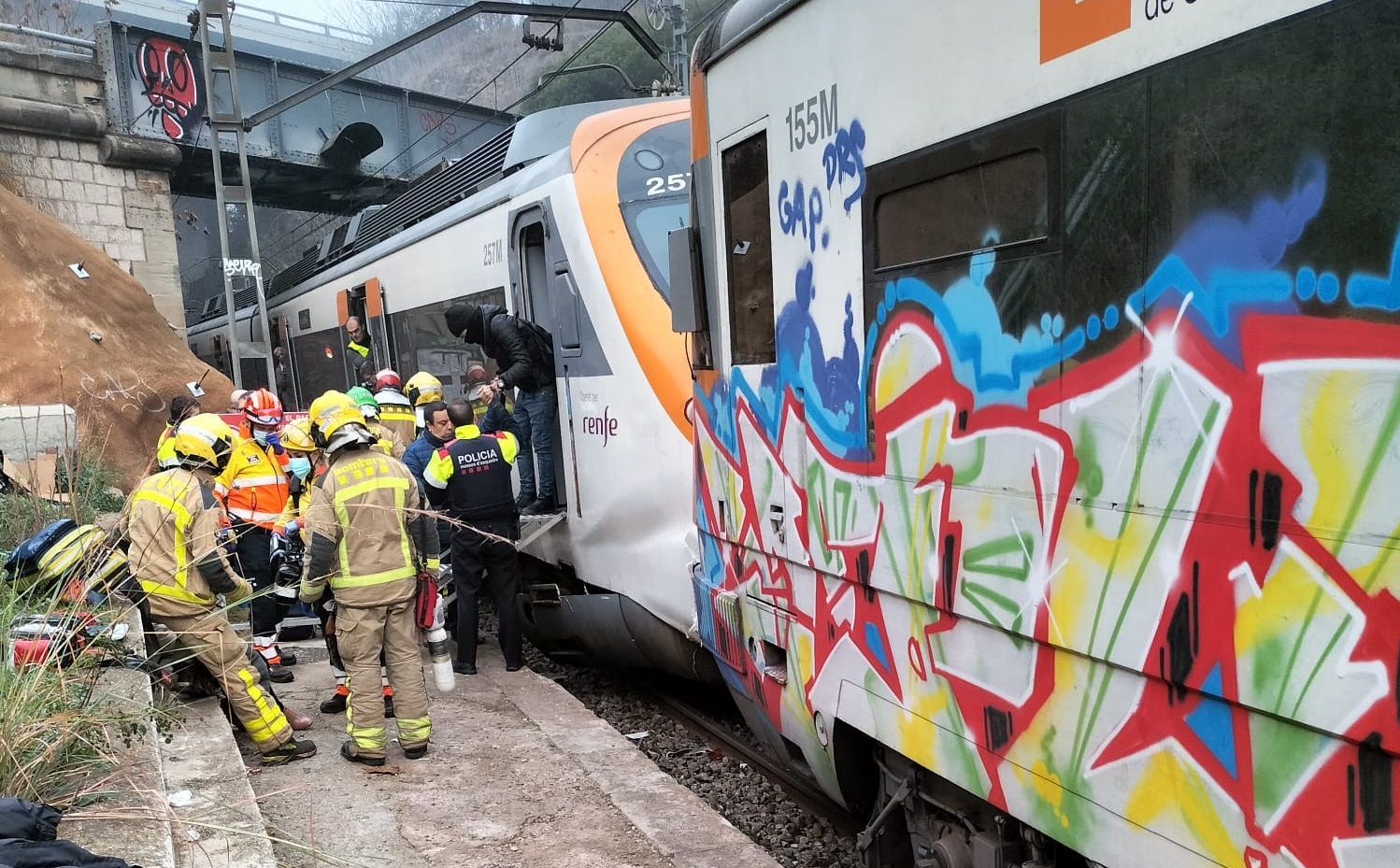
Another incident took place in October 2023, involving a commuter train colliding with a stationary freight train on the outskirts of Barcelona. Fortunately, emergency services promptly responded, and while no fatalities were reported, the crash raised questions about the effectiveness of current signalling systems.
Causes and Implications
Preliminary investigations into these incidents point to a mixture of mechanical failures, human error, and inadequate infrastructure maintenance as contributing factors. Spain’s rail network, while extensive and modern, is facing challenges related to an ageing infrastructure that requires significant investment to ensure the safety of passengers.
The government has initiated a review of railway safety regulations and is demanding greater accountability from train operators. Railways are expected to conduct comprehensive safety drills and upgrade their signalling technology to minimise risks in the future.
Safety Measures Implemented
In response to the recent train crashes, the Spanish government has put a series of safety measures into motion. One of the key actions taken is the acceleration of an infrastructure upgrade plan, which aims to modernise older train lines and enhance safety systems. This includes the installation of advanced signalling and monitoring technology designed to provide real-time updates on train operations.
Additionally, the introduction of stricter training protocols for train conductors and maintenance crews is also in development, ensuring that personnel are adequately prepared to respond to emergencies effectively.
Conclusion
The recent train crashes in Spain highlight critical vulnerabilities within the rail network that need urgent attention. As the government invests in safety upgrades and infrastructure improvements, it is crucial for both the railway industry and the public to advocate for stringent safety regulations. Moving forward, these measures will be vital in restoring confidence in Spain’s railway system and ensuring that train travel remains a safe, reliable option for all.