Introduction
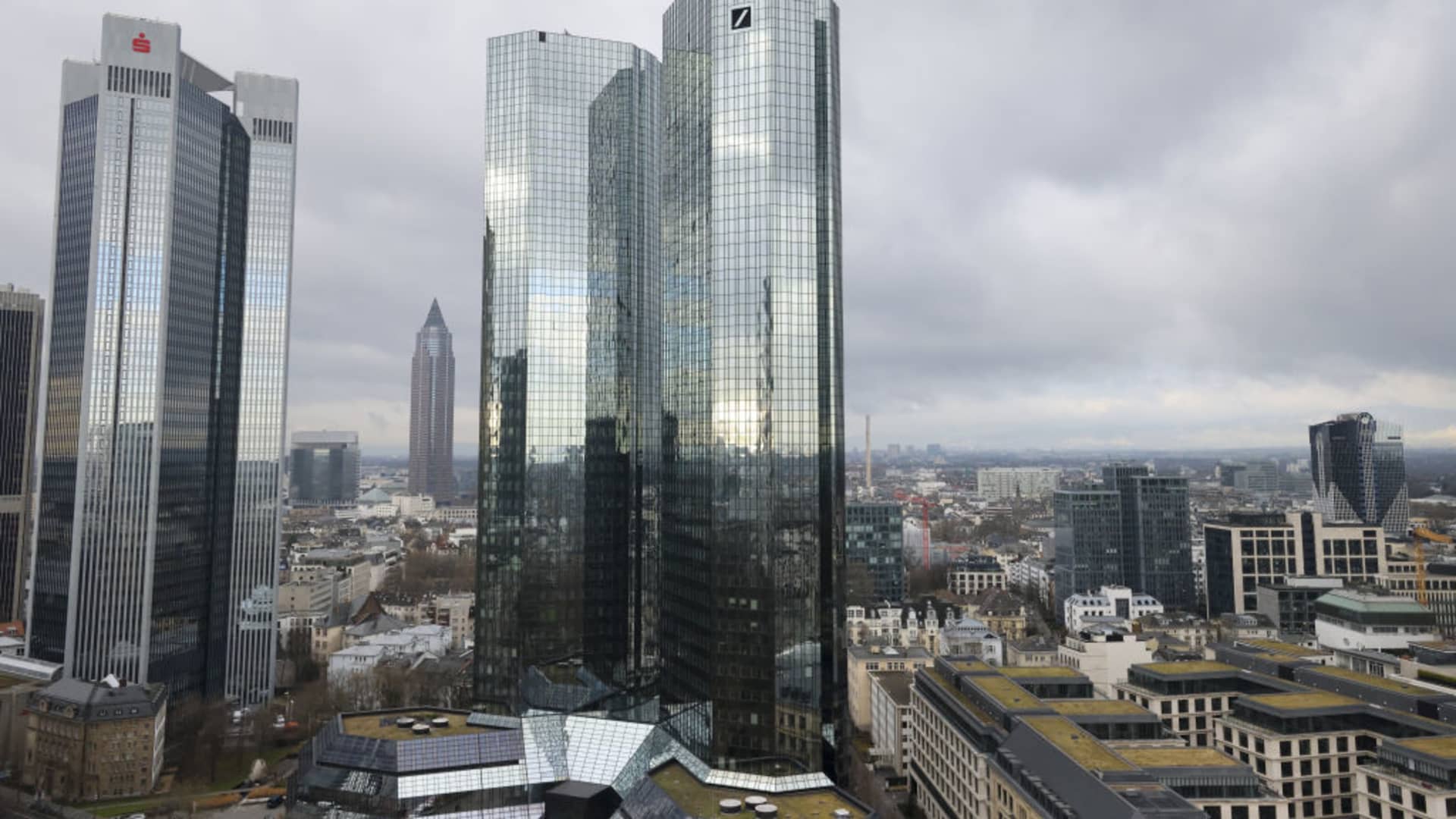
Deutsche Bank, one of the world’s leading financial services providers, has been at the forefront of the global banking sector for decades. With its headquarters in Frankfurt, Germany, the bank plays a significant role in international markets, specialist lending, and asset management. Understanding the current developments and challenges faced by Deutsche Bank is not only crucial for financial analysts but also for investors and general public interested in global economic trends.
Current Developments
In 2023, Deutsche Bank reported a significant increase in its net profits, primarily driven by a surge in investment banking fees and higher interest income. According to their second-quarter earnings report, the bank posted a net profit of €1.3 billion, a substantial rise compared to the previous year. This uptick was attributed to robust performances in trading and transaction banking amid rising global interest rates.
Challenges Ahead
Despite its positive financial results, Deutsche Bank continues to navigate through several challenges. The ongoing geopolitical tensions, particularly in Europe and Asia, have created an uncertain economic environment that poses risks to the bank’s operations. Additionally, regulatory scrutiny remains high, with both UK and EU regulators keeping a close watch on the bank’s compliance with evolving financial regulations.
Moreover, Deutsche Bank’s efforts to transition towards a more sustainable investment approach have been met with mixed reactions. Analysts point out that while the bank has made commitments to reduce its carbon footprint, its previous ties to fossil fuel investments raise questions regarding the sincerity of these efforts.
The Future Outlook
Looking ahead, Deutsche Bank’s leadership plans to sustain the momentum gained over the last quarters. Analysts predict that the bank will increase investments in technology to enhance its digital banking services, making it more competitive in the evolving financial landscape. Furthermore, as the global economy gradually shifts towards recovery post-pandemic, Deutsche Bank is in a position to leverage its capabilities in capital markets and wealth management.
Conclusion
In summary, Deutsche Bank stands as a critical entity in the landscape of global finance. While it enjoys a solid financial footing as of mid-2023, external challenges remain a significant factor in its future trajectory. Stakeholders should continue to keep a close eye on the bank’s performance and strategic initiatives, particularly in light of regulatory developments and the ongoing pursuit of a sustainable investment model. The years to come will likely determine Deutsche Bank’s role in the rapidly transforming world of finance.