Introduction
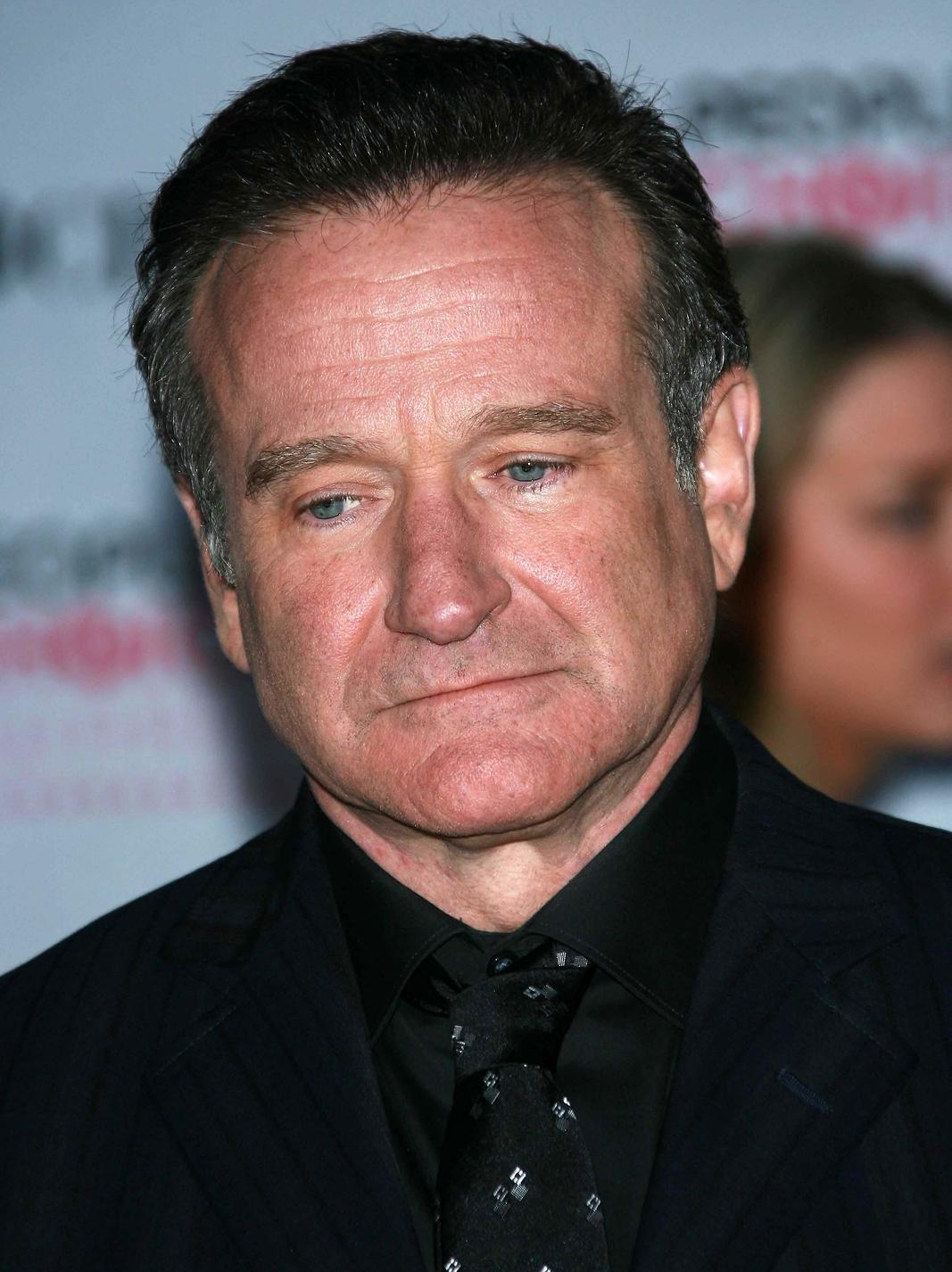
Robin Williams, a name synonymous with comedy and heartfelt performances, continues to resonate in the hearts of fans and fellow artists. His unique blend of improvisation, character work, and heartfelt storytelling not only revolutionised comedy but also left an indelible mark on the film industry. As we reflect on his life and contributions, it is essential to understand his impact and the ongoing discussions about mental health that followed his tragic passing.
The Comic Genius
Born on July 21, 1951, in Chicago, Illinois, Robin Williams showcased his comedic talent from an early age. His rise to fame began in the late 1970s with the television series “Mork & Mindy,” where his character, an alien named Mork, introduced audiences to his frenetic style of comedy and improvisation. Williams’s ability to inhabit diverse roles led him to star in numerous iconic films, including “Good Will Hunting,” “Dead Poets Society,” and “Mrs. Doubtfire.” These performances earned him critical acclaim and several awards, most notably an Academy Award for Best Supporting Actor in 1998.
Legacy and Influence
Robin Williams’s influence extends beyond his comedic brilliance. He has inspired generations of comedians and actors, proving that vulnerability and authenticity are crucial in storytelling. Posthumously, his legacy has sparked a broader conversation about mental health, as Williams struggled with severe depression and anxiety, battling these challenges silently. His battle became public after his death in August 2014, which revealed that he had been diagnosed with Lewy body dementia—a fact that shocked fans and fostered crucial discussions about mental health and the pressures faced by performers.
Honouring a Legend
In the years since his passing, tributes in various forms have emerged. Documentaries such as “Robin’s Wish” have explored his life and struggles, aiming to shed light on the lesser-known aspects of his mental health battle. Furthermore, various charitable foundations in his honour continue to advocate for mental health awareness and support for those in need. Williams’s legacy as a comedian and actor remains vibrant, with new generations discovering his work and the joy he brought to audiences worldwide.
Conclusion
Robin Williams’s untimely death serves as a reminder of the complexities of mental health, particularly in the entertainment industry. Despite the challenges he faced, the joy and laughter he brought into countless lives remain his lasting legacy. As discussions about mental health continue to evolve, it is essential to remember and celebrate the gifts he shared with the world while advocating for awareness and support for those who struggle. The spirit of Robin Williams lives on, not just through his films and performances but in the hearts of those who continue to be inspired by his life.