Introduction
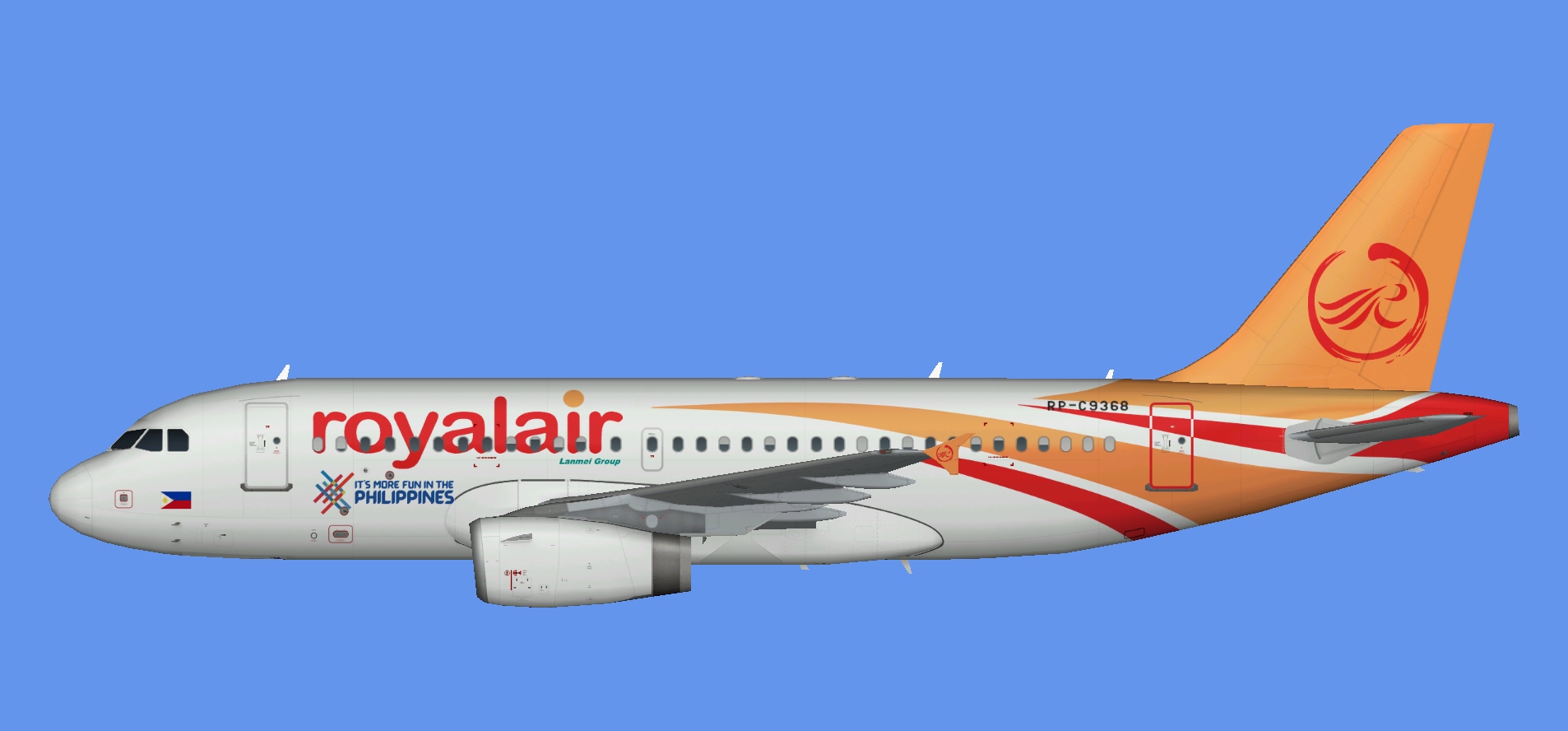
The Philippine aviation industry is currently facing significant turbulence as Royal Air Philippines has announced its impending liquidation. This decision is pivotal not only for the airline but also for the wider market, affecting employees, customers, and the local economy. Royal Air, known for its regional flights, has struggled in recent years, making this news crucial for industry stakeholders.
Recent Developments
Royal Air Philippines made the announcement on 12th October 2023, stating that it had exhausted all viable options to sustain its operations amid increasing financial difficulties. Factors contributing to this decision include the ongoing impacts of the COVID-19 pandemic on travel demand, rising fuel costs, and fierce competition from both local and international carriers.
The company’s management conveyed that the liquidation process aims to ensure an orderly settlement of its debts and obligations, primarily focusing on protecting the rights of creditors and employees. A significant number of staff, approximately 500 personnel, will be affected by this decision, sparking concerns over job losses in a country where unemployment has already been a pressing issue.
Impact on the Aviation Sector
The liquidation of Royal Air Philippines is expected to have ripple effects throughout the airline industry in the Philippines. Analysts predict that this will lead to a potential decrease in competition, thus allowing remaining airlines to potentially raise ticket prices. It could also prompt a reevaluation of strategies among surviving carriers, who might need to adjust their operations to capture the market share formerly held by Royal Air.
Furthermore, passengers who had booked tickets with Royal Air may find themselves stranded, as the airline has stated that it will honour some of its tickets until the liquidation process is completed. The Civil Aeronautics Board (CAB) has announced that it will closely monitor the situation to provide necessary support and ensure consumer protection.
Conclusion
The liquidation of Royal Air Philippines marks a significant event in the local aviation landscape, reflecting broader economic challenges and shifting market dynamics in the post-pandemic recovery phase. Stakeholders, including former employees and passengers, will have to navigate the repercussions of this closure. As analysts look forward, there is hope that this will prompt industry reforms and improvements to ensure more resilient operations in the future, but immediate concerns regarding job losses and market stability remain paramount.