Introduction
In the wake of increasing controversy surrounding privacy and surveillance, Sainsbury’s has recently come under fire following reports of a facial recognition error that affected multiple customers. This incident raises significant questions about data protection practices and the ethics of using such technologies in retail environments. With retailers increasingly adopting advanced surveillance systems, this situation has ignited public debate regarding consumer rights and privacy in shopping spaces.
Details of the Incident
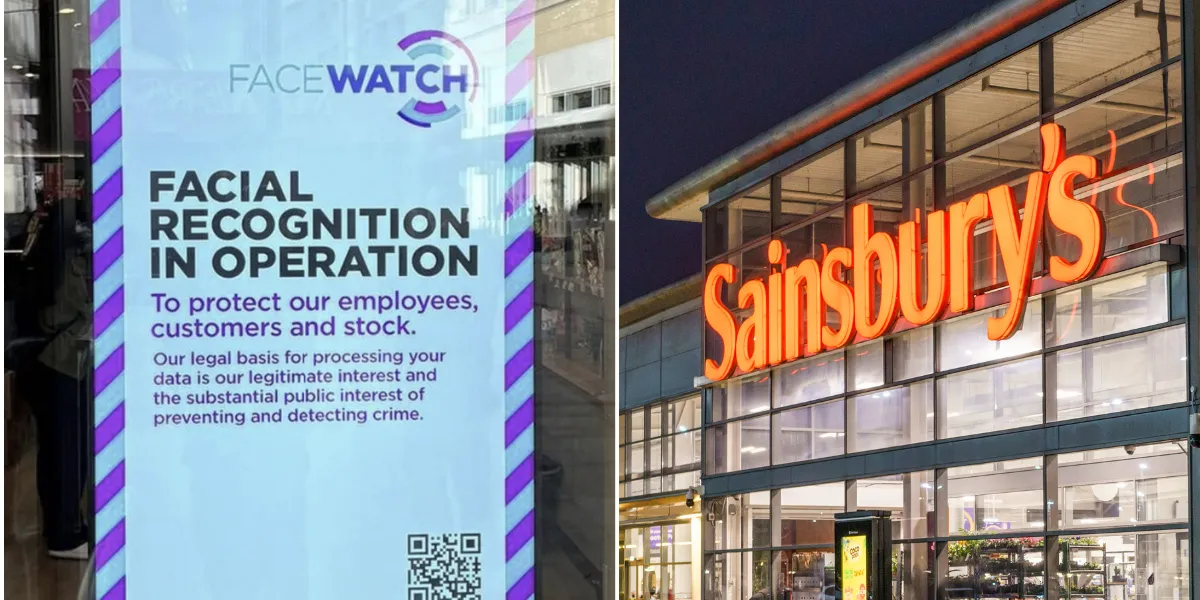
Reports indicate that Sainsbury’s had implemented a facial recognition system across several of its stores to deter theft and improve security. However, an alarming error within the system mistakenly identified regular customers as potential shoplifters, leading to unwarranted intervention by security staff. Individuals involved reported distressing experiences, including being followed around the store and unjustly accused of wrongdoing.
The facial recognition software, employed in an effort to reduce incidents of theft, is a part of Sainsbury’s broader initiative to modernise their security measures. According to an anonymous source from within the company, the system was designed to identify known offenders but instead failed to distinguish between them and normal shoppers. Multiple customers raised alarms on social media platforms, sharing their personal stories, which amplified public outcry against the retailer.
Public and Regulatory Response
The backlash prompted Sainsbury’s to release a statement acknowledging the error and asserting their commitment to ensuring that both customer safety and privacy rights are respected. The policy surrounding the use of facial recognition technology is now under scrutiny by regulators, prompting discussions about the legality and ethics of such systems within the retail sector.
Privacy advocates have called for transparency regarding how facial recognition data is handled, stored, and processed, citing that consumers must be informed if their image data is being collected and how it may impact them. There are growing calls for stricter regulations concerning the use of surveillance technologies, particularly in public spaces where individuals may not consent to such scrutiny.
Conclusion
The Sainsbury’s facial recognition error highlights profound implications for privacy, retail operations, and consumer trust. As the discussion continues about the balance between security measures and personal privacy, it is essential for retailers to consider the potential repercussions of deploying invasive technologies. Moving forward, consumers may demand greater accountability and stricter regulations to protect their rights as shoppers. The resolution of this incident may pave the way for future policies concerning surveillance practices in the retail industry, shaping how businesses approach security in a rapidly evolving technological landscape.