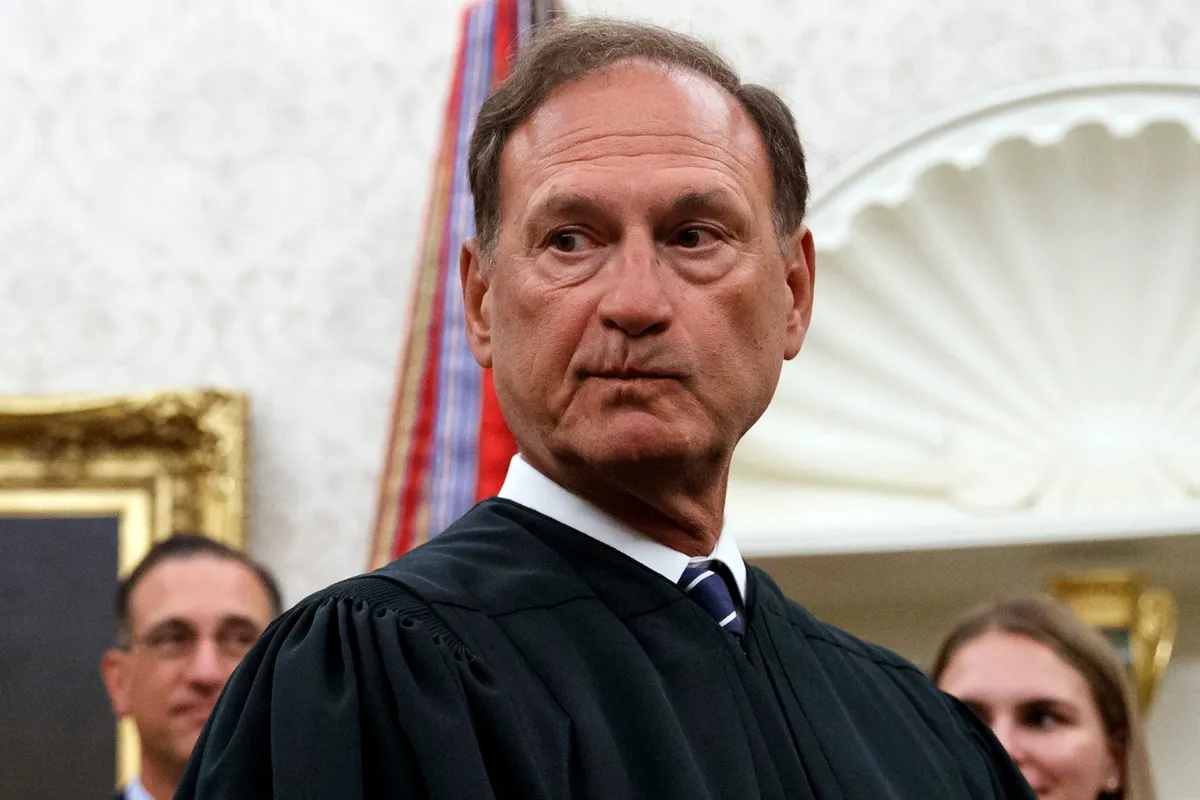
The stakes are high when it comes to the future of the Supreme Court. Samuel Alito, a key figure on the bench since 2006, has become a focal point of speculation regarding his retirement. Yet, recent reports clarify that he is not planning to step down this year. This announcement carries significant implications for the court’s dynamics and its ongoing cases.
Alito’s age—76—coupled with his long tenure has naturally led to questions about his future. Speculation often intensifies as the court approaches the end of its term, fueled by concerns over health and longevity. However, despite a recent health scare involving dehydration at a Federalist Society dinner, Alito has shown resilience and an unwavering commitment to his role.
He has already hired all four of his law clerks for the upcoming annual term, signaling his intent to remain active. Moreover, sources indicate that Alito plans to serve at least until 2027. This decision not only affects the current composition of the court but also shapes the political landscape as judicial nominations become increasingly contentious.
Clarence Thomas, another pivotal member of the court, is just a year older than Alito at 77. Thomas has been serving since 1991, making both justices integral to shaping contemporary jurisprudence. Their continued presence on the bench raises questions about potential future retirements and how they might align with political shifts—especially considering Donald Trump’s influence during his presidency when he filled three seats on the court.
Trump himself has expressed admiration for Alito, stating, “Justice Alito is an unbelievable justice.” Such endorsements highlight the intertwined nature of politics and judicial appointments in America. The specter of retirements looms large—especially as Trump muses about potential vacancies: “In theory, it’s two or three… it could be two, could be three, could be one.” These comments underscore how judicial appointments are often seen through a political lens.
Yet, despite this backdrop of speculation and political maneuvering, Alito remains focused on his responsibilities. His active participation in court proceedings suggests a dedication that transcends mere speculation about retirement. The legal community watches closely; any change in the court’s composition could have profound ramifications on pivotal issues ranging from healthcare to civil rights.
Details remain unconfirmed regarding any immediate changes to Alito’s status or that of his colleagues. As we move forward into another term, uncertainty lingers not just about retirements but also about how these decisions will shape American law for years to come.