Introduction
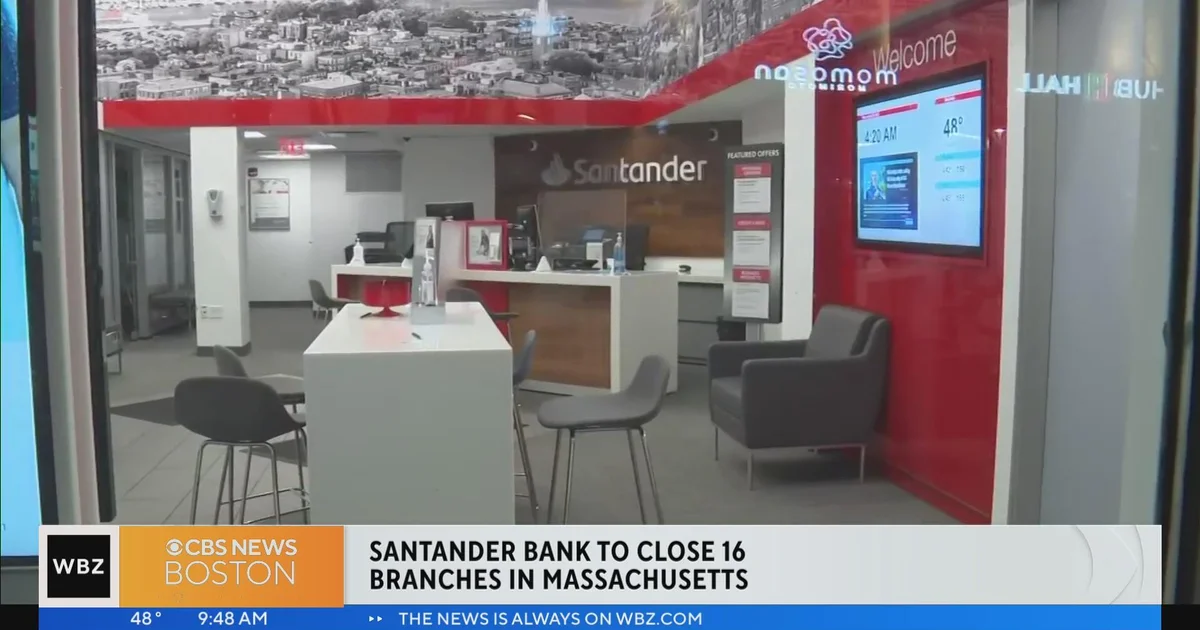
In recent weeks, Santander Bank has announced the closure of several of its branches across the United Kingdom, a move that has sent ripples through local communities reliant on these financial hubs. The importance of this topic lies not only in the convenience of banking services for customers but also in the broader implications for community connectivity and economic stability.
Branch Closures Announced
Santander’s decision comes as part of a strategic restructuring aimed at cost-cutting and adapting to changing consumer behaviours, primarily the shift towards digital banking. The bank has revealed plans to close around 100 branches by the end of 2023, following a pattern of reductions that have seen over 400 branches shut down in the past five years. With branches in areas such as Birmingham, London, and Manchester on the chopping block, many customers are left contemplating their banking future.
Impact on Customers and Communities
The closure of bank branches can profoundly impact customers, especially those in vulnerable populations who rely on face-to-face services. For older adults or those with disabilities, accessing online banking might not be a feasible option. Additionally, local businesses that depend on foot traffic to nearby banks may also feel the negative effects. Customers have expressed concern over the accessibility of banking services as public transport and travel time could also become barriers.
Bank’s Justification and Response
The bank has stated that the closures are necessary to streamline operations and enhance the customer experience through digital channels. A spokesperson for Santander highlighted that increasing numbers of customers are choosing to manage their finances online rather than in person. The bank has committed to offering support for those affected, including financial education initiatives to help transition customers to online services.
Conclusion and Future Outlook
As Santander moves forward with its branch closures, the implications for consumers and communities remain significant. While the trend towards digital banking is likely to continue shaping the financial landscape, the backlash from communities may force banks to reconsider their strategies. In the coming months, it will be crucial for customers and local advocates to engage in discussions with bank representatives to ensure that essential banking services remain accessible to all segments of the population. The long-term significance of these closures could indeed reshape the way banking services are delivered across the UK.