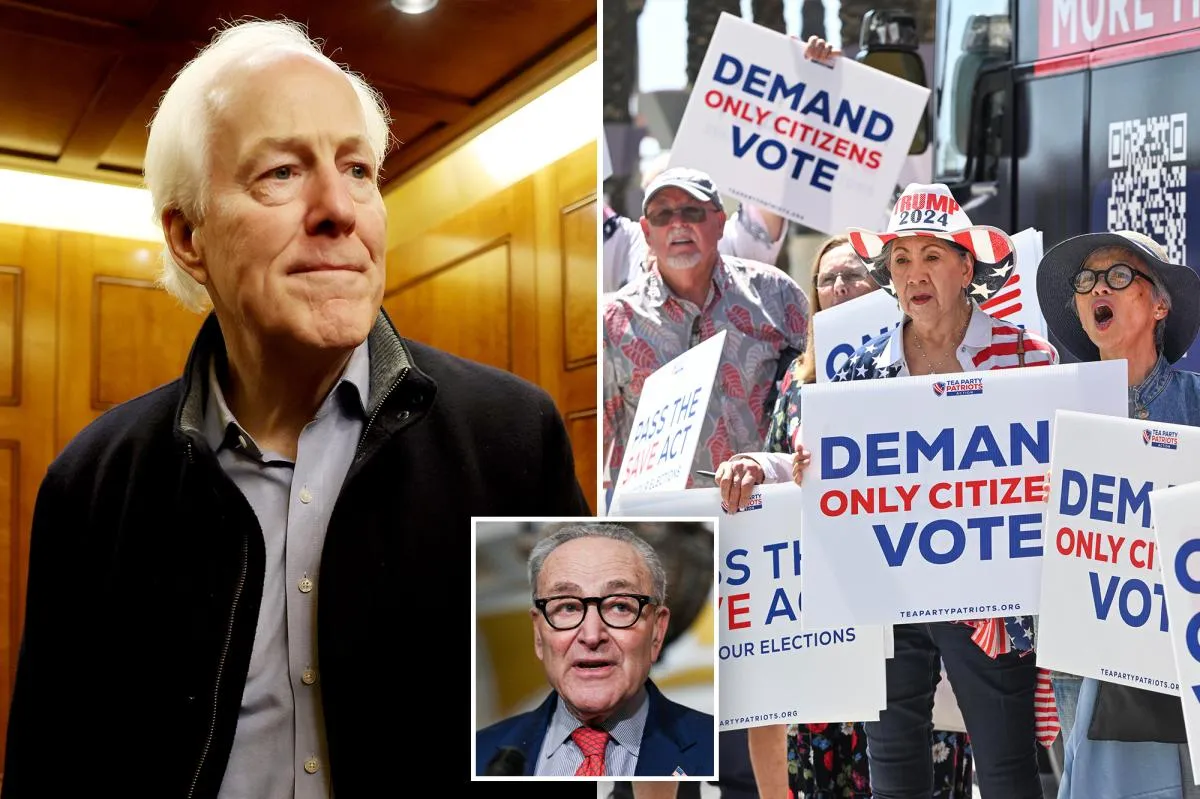
Prior Expectations on Voter Registration
Before the introduction of the SAVE America Act, the landscape of voter registration in the United States was characterized by a variety of state-level regulations, with many states allowing individuals to register to vote with minimal requirements. There was a general expectation that voter registration would continue to evolve towards greater accessibility, ensuring that eligible citizens could participate in federal elections without excessive barriers. However, concerns about noncitizen voting and election integrity were increasingly voiced by some lawmakers, setting the stage for a significant legislative shift.
Decisive Changes Introduced by the SAVE Act
The SAVE America Act, formally known as the Safeguard American Voter Eligibility Act, represents a decisive moment in the ongoing debate over voting rights and election security. The bill mandates proof of citizenship to register to vote in federal elections, requiring Americans to provide documentary evidence, such as a U.S. passport or a driver’s license with proof of citizenship. Additionally, it introduces photo ID requirements for voting, aiming to prevent noncitizens from participating in elections. The legislation also stipulates that states must search for noncitizen voters and submit their voter rolls to a federal database, complicating the registration process for individuals who have changed their names.
Immediate Effects on Stakeholders
The introduction of the SAVE Act has immediate implications for various stakeholders. Proponents, including President Trump, who has made the bill a top priority, argue that it is essential for maintaining the integrity of elections. Trump has vowed not to sign other bills until the SAVE Act is passed, emphasizing its importance in his administration’s agenda. Conversely, Democrats have raised concerns that the legislation could disenfranchise millions of eligible voters, particularly those who may struggle to provide the required documentation. This division highlights the contrasting priorities of the two parties regarding voter access and election security.
Expert Perspectives on the Shift
Experts in the field of voting rights and election law have weighed in on the implications of the SAVE Act. John Cornyn, a Republican senator, stated, “The president has made the SAVE America Act his ‘number one priority,’ and he is right.” This sentiment reflects a broader Republican consensus on the need for stricter voting regulations. However, John Thune, another Republican senator, acknowledged the challenges ahead, saying, “I can guarantee the debate. I can guarantee a vote. I just can’t guarantee an outcome.” This uncertainty underscores the contentious nature of the legislation and its potential impact on the political landscape.
Uncertainties Surrounding the Bill’s Future
Despite the momentum behind the SAVE Act, its future in the Senate remains uncertain due to the 60-vote filibuster threshold. The House has passed earlier versions of the bill twice, but the current political climate raises questions about whether it can secure enough support in the upper chamber. Details remain unconfirmed regarding the exact impact of the SAVE America Act on voter registration and participation, leaving many to speculate about its long-term effects on the electoral process.
Conclusion: A Pivotal Moment for Voting Rights
The SAVE America Act marks a pivotal moment in the ongoing dialogue about voting rights in the United States. As lawmakers grapple with the implications of stricter voter registration requirements, the debate over election integrity versus accessibility will likely continue to shape the political landscape. The outcome of this legislation could have lasting effects on how Americans engage with the electoral process, making it a critical issue for both parties as they move forward.