Who is involved
The SAVE America Act has emerged as a pivotal piece of legislation in the ongoing debate over voter eligibility and non-citizen voting in the United States. Prior to this development, there was a general expectation that voter registration processes would remain consistent, without stringent requirements for proof of citizenship. However, the political landscape shifted dramatically with the introduction of this legislation, which has now passed the House and is awaiting a crucial vote in the Senate.
The decisive moment came when the House approved the SAVE America Act, which mandates that individuals provide documentary proof of U.S. citizenship to register to vote in federal elections. Additionally, it requires voters to present a photo ID that confirms their citizenship at polling places. This legislative push is largely driven by concerns raised by former President Donald Trump, who has claimed that non-citizen voting is widespread. Trump has made it clear that he will refuse to sign any bills unless the SAVE America Act is passed, adding pressure on Senate Republicans to rally support.
Currently, the bill faces significant hurdles in the Senate. With Senate Democrats universally opposed to the SAVE America Act, the Republicans, who hold 53 seats, find themselves in a challenging position. To overcome a filibuster and advance the legislation, they need to secure 60 votes. As it stands, the SAVE America Act does not have the necessary support to break the filibuster, which raises questions about its future.
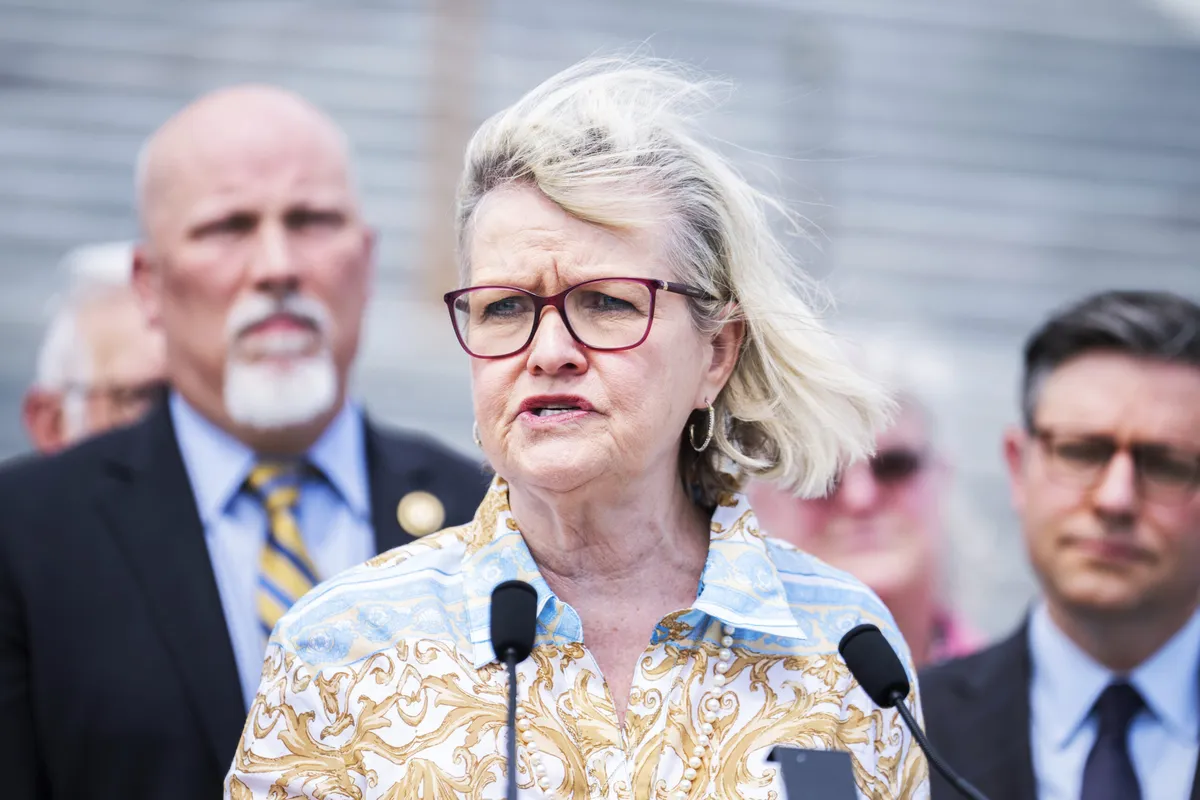
Cleta Mitchell, a prominent figure in the push for the SAVE America Act, has been instrumental in urging Senate leadership to bring the bill to a vote. She expressed optimism about the current phase of the legislation, stating, “What is most important to know is this particular next phase is a win.” Mitchell emphasized the need for Republicans to maintain focus on the bill, suggesting that it could refocus public anger against Democrats during the debate.
The upcoming Senate vote is expected to be contentious, with both parties preparing for a showdown over the voter ID bill. The debate could extend throughout the week, as both sides present their arguments. The SAVE America Act aims to address concerns about voter integrity, a topic that has become increasingly polarizing in American politics.
Experts have noted that the implications of the SAVE America Act extend beyond just voter registration. If passed, it could set a precedent for similar legislation across the country, potentially impacting millions of voters. However, the opposition from Senate Democrats highlights the deep divisions within Congress regarding voting rights and access to the ballot box.
As the Senate prepares for this critical vote, uncertainties remain. The exact timing of the vote is unclear, and the outcome is uncertain given the current opposition from Democrats. Details remain unconfirmed, but the stakes are high for both parties as they navigate this contentious issue.