The wider picture
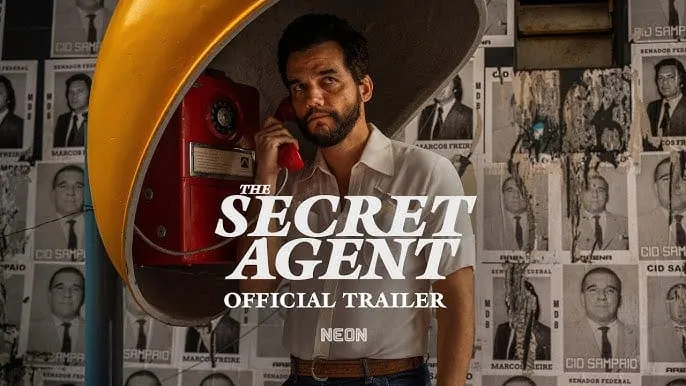
The Secret Agent, a political thriller set in 1977 Brazil during the dictatorship, has emerged as a significant cinematic work, addressing the historical context of Brazil’s authoritarian regime and its lasting impact on society. The film has been well-received, drawing a record 2.45 million Brazilians to the box office and winning Best Non-English Language Film at the 83rd Golden Globes. With a production cost of $5 million, it has proven to be both a critical and commercial success.
As the 98th Academy Awards approach, The Secret Agent has been nominated for four Oscars, including Best Actor for Wagner Moura’s compelling portrayal of the lead character. Moura’s performance has been praised for its depth and nuance, capturing the complexities of a society grappling with its past. In a recent statement, Moura remarked, “Bolsonaro is our Brazilian Donald Trump. But our Trump is in jail,” highlighting the film’s relevance to contemporary political discourse in Brazil.
The film’s narrative structure is nonlinear, featuring perspectives from multiple characters, including Armando and his son. This storytelling technique allows the audience to engage with the themes of memory and resistance from various angles. Isadora Ruppert, a key figure in the film, stated, “Memory is resistance,” emphasizing the importance of remembering historical injustices to foster healing in society.
Robério Diógenes, another prominent voice in the film, commented, “This film helps us understand the past and understand the current political moment.” The Secret Agent serves not only as a work of art but also as a cultural artifact that reflects Brazil’s vibrance, appearing in Carnival floats and advertisements. Its ability to resonate with audiences on multiple levels has contributed to its acclaim.
With a runtime of 2 hours and 40 minutes, The Secret Agent immerses viewers in a rich narrative that explores the complexities of life under a dictatorship. The film’s themes resonate deeply within the Brazilian context, prompting discussions about the past and its implications for the present. Isadora Ruppert further noted, “It’s important that we get in touch with these wounds so that they can truly heal,” reinforcing the film’s role in fostering dialogue about historical trauma.
As the Oscar ceremony approaches, observers are keen to see how The Secret Agent will fare against other nominated films. The film’s nominations have already sparked conversations about the importance of storytelling in understanding political history and its relevance to current events. The recognition at such a prestigious event underscores the film’s impact and the broader cultural conversations it has ignited.
Details remain unconfirmed regarding the potential outcomes of the awards, but the film’s journey thus far has been marked by significant achievements and critical acclaim. The Secret Agent stands as a testament to the power of cinema in addressing complex social issues and fostering a deeper understanding of history.