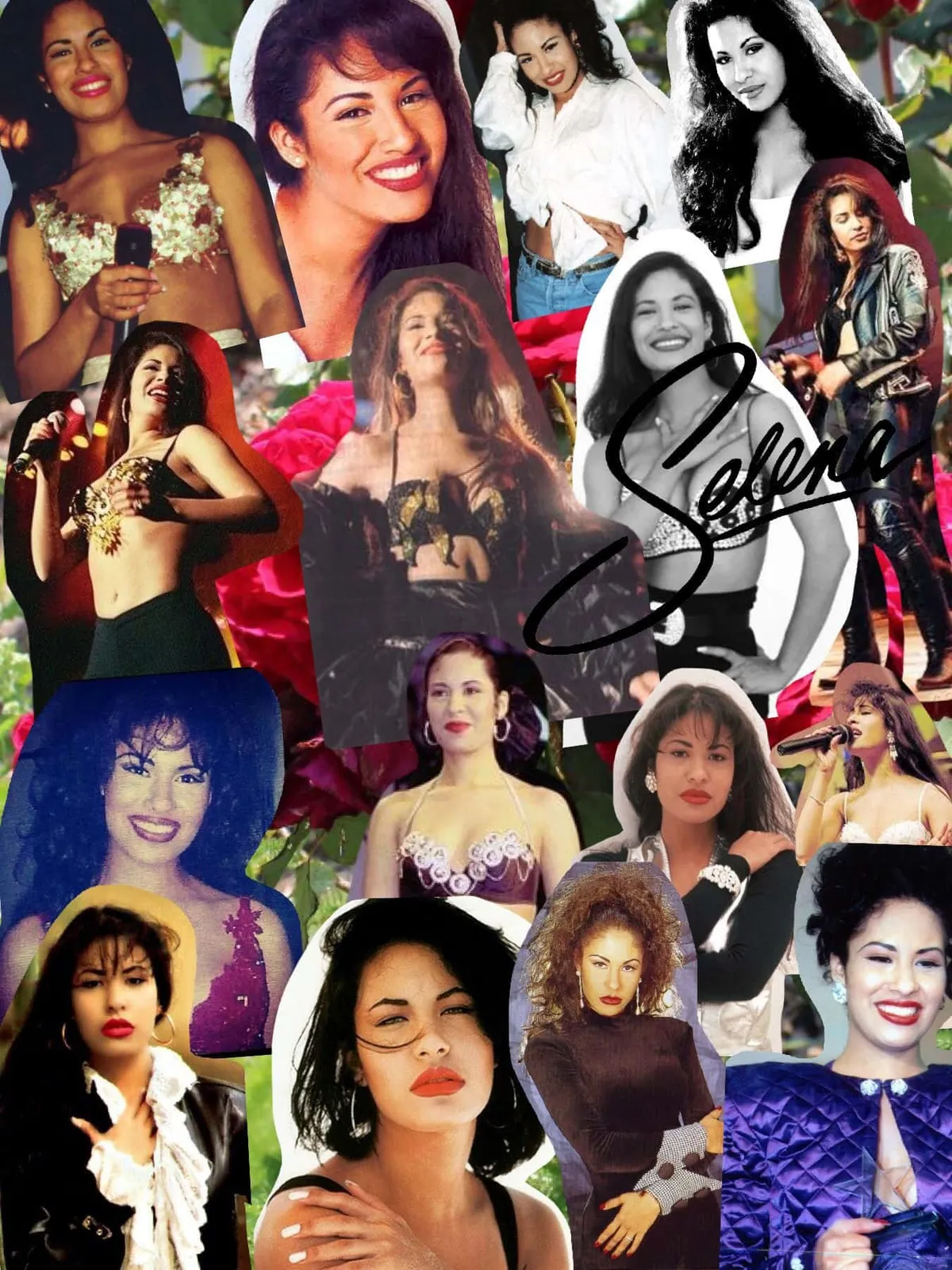
Before the tragic events of March 31, 1995, Selena Quintanilla-Pérez was on the brink of superstardom, celebrated for her unique blend of Tejano, pop, and cumbia music. At just 23, she had already won a Grammy for her album “Live” in 1994 and was poised to break further barriers in the music industry. Fans were excited about her growing influence, and her fan club, led by Yolanda Saldívar, was a testament to her rising popularity.
However, the decisive moment came when Saldívar shot Selena, an act that shocked the world and abruptly ended her promising career. The immediate aftermath saw an outpouring of grief, with over 50,000 people lining up to view Selena’s body, a clear indication of her profound impact on her fans and the community.
Selena’s death not only left a void in the music industry but also sparked a national conversation about violence against women and the pressures of fame. Saldívar was convicted of first-degree murder and sentenced to life in prison, yet the ramifications of her actions extended far beyond the courtroom.
In the years following her death, Selena’s legacy has only grown. Her posthumous album “Dreaming of You” topped the Billboard 200, solidifying her status as a cultural icon. In 2017, she received a star on the Hollywood Walk of Fame, and in 2021, a lifetime achievement award from the Grammys, recognizing her lasting influence on music and culture.
Experts like Larissa M. Mercado-López, co-editor of “The Selena Reader,” emphasize the significance of Selena’s impact. Mercado-López stated, “Selena meant a lot to me growing up. She meant a lot to my co-editor, um, Dr. Yndalecio Isaac Hinojosa.” This sentiment reflects the deep connection many fans feel towards Selena, transcending generations.
Selena’s groundbreaking fusion of musical styles helped define a new era of Latinx representation in mainstream American music, paving the way for future artists. Her story continues to resonate, serving as a reminder of the cultural shifts she inspired.
As we reflect on 31 years since her death, it’s clear that Selena Quintanilla-Pérez’s legacy is not just about her music, but also about the conversations she ignited regarding identity, representation, and the complexities of fame. Her influence remains palpable, inspiring new generations of artists and fans alike.
In a world where her story is often revisited, it is essential to remember the joy she brought to many and the cultural significance she holds. The ongoing discussions surrounding her life and death illustrate the enduring nature of her impact.
Selena’s legacy is a testament to the power of music to unite and inspire, making her an everlasting figure in the hearts of those who cherish her contributions.