Introduction
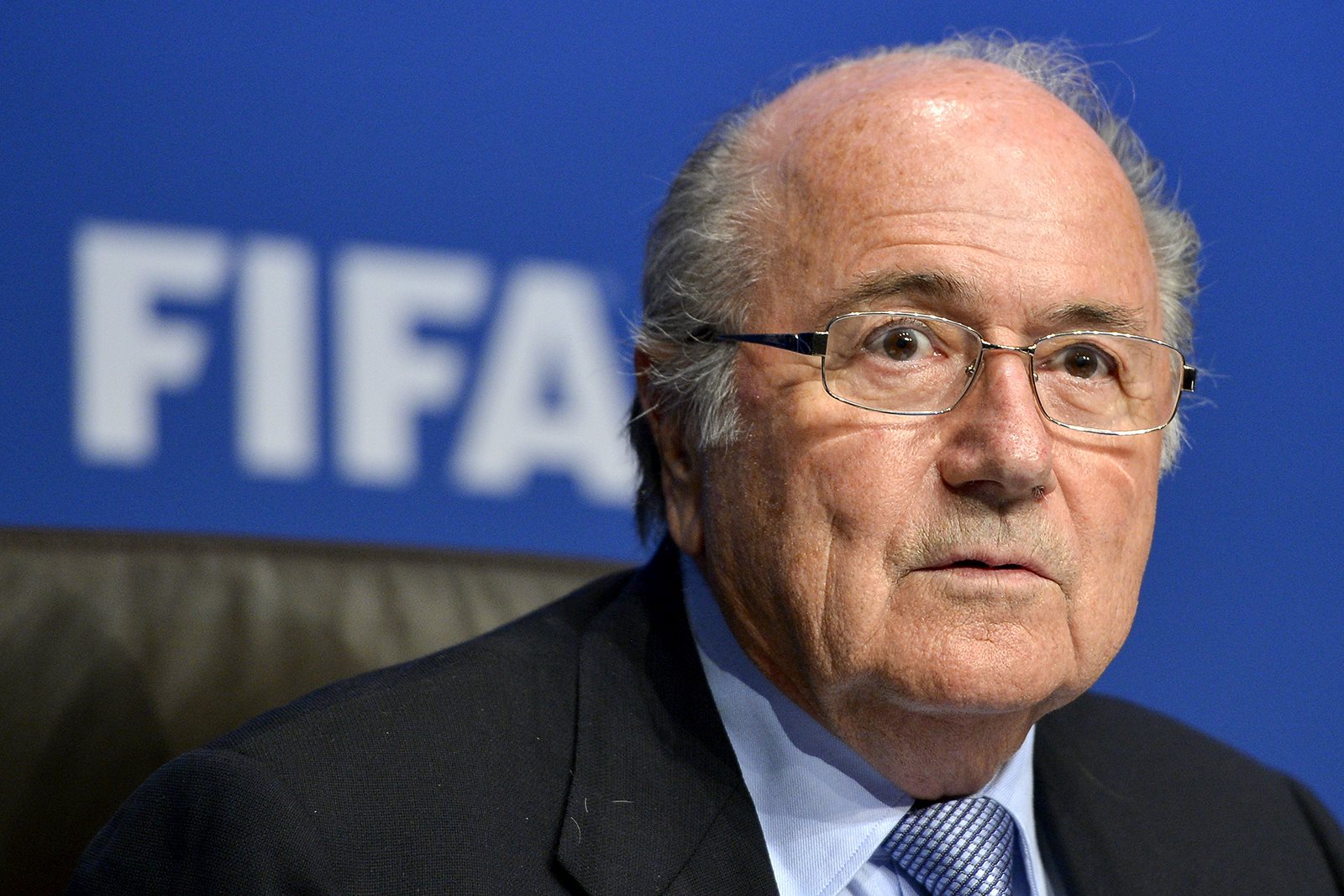
Sepp Blatter, the former President of FIFA, has been a pivotal figure in the world of football for decades. His tenure has been marked by significant achievements and profound controversies, making him a focal point of debate in sports governance. Understanding his influence and the lessons derived from his leadership is essential, especially in light of current discussions on transparency and ethics in sports.
A Controversial Legacy
Blatter was elected as FIFA President in 1998 and held the position until 2015. During his time, Blatter was credited with expanding FIFA’s global reach and increasing the popularity of the game. However, his administration also faced numerous allegations of corruption, culminating in a notorious scandal that led to his suspension from football-related activities.
The apex of controversy came in 2015 when the U.S. Department of Justice indicted several FIFA officials, and Blatter himself was eventually banned from all football activities for six years by FIFA’s Ethics Committee. The charges against him ranged from bribery to misuse of funds, raising alarms about the integrity of football’s governing body.
Recent Developments
As of recent months, conversations surrounding Blatter have resurfaced, sparked by renewed discussions on FIFA’s governance and integrity post-World Cup 2022. The tournament, hosted in Qatar, brought to light various issues involving labour rights and environmental sustainability, prompting calls for more accountable leadership in international football.
In an interview earlier this year, Blatter expressed regret for certain decisions made during his presidency but remained defiant about his vision for developing football globally. His comments raised eyebrows and rekindled debates about whether he deserves a place in football’s future discussions or whether a complete overhaul is necessary.
Conclusion
Sepp Blatter’s influence on football cannot be understated, as he played a crucial role in its evolution over the past two decades. However, his controversial past urges stakeholders to reflect on the future of sports governance. As FIFA continues to face scrutiny, the imperative for reform has never been clearer. The ongoing discussions about ethics, transparency, and accountability in football are vital as the sport moves forward. Whether Blatter’s legacy will serve as a cautionary tale or a foundation for progress remains to be seen.