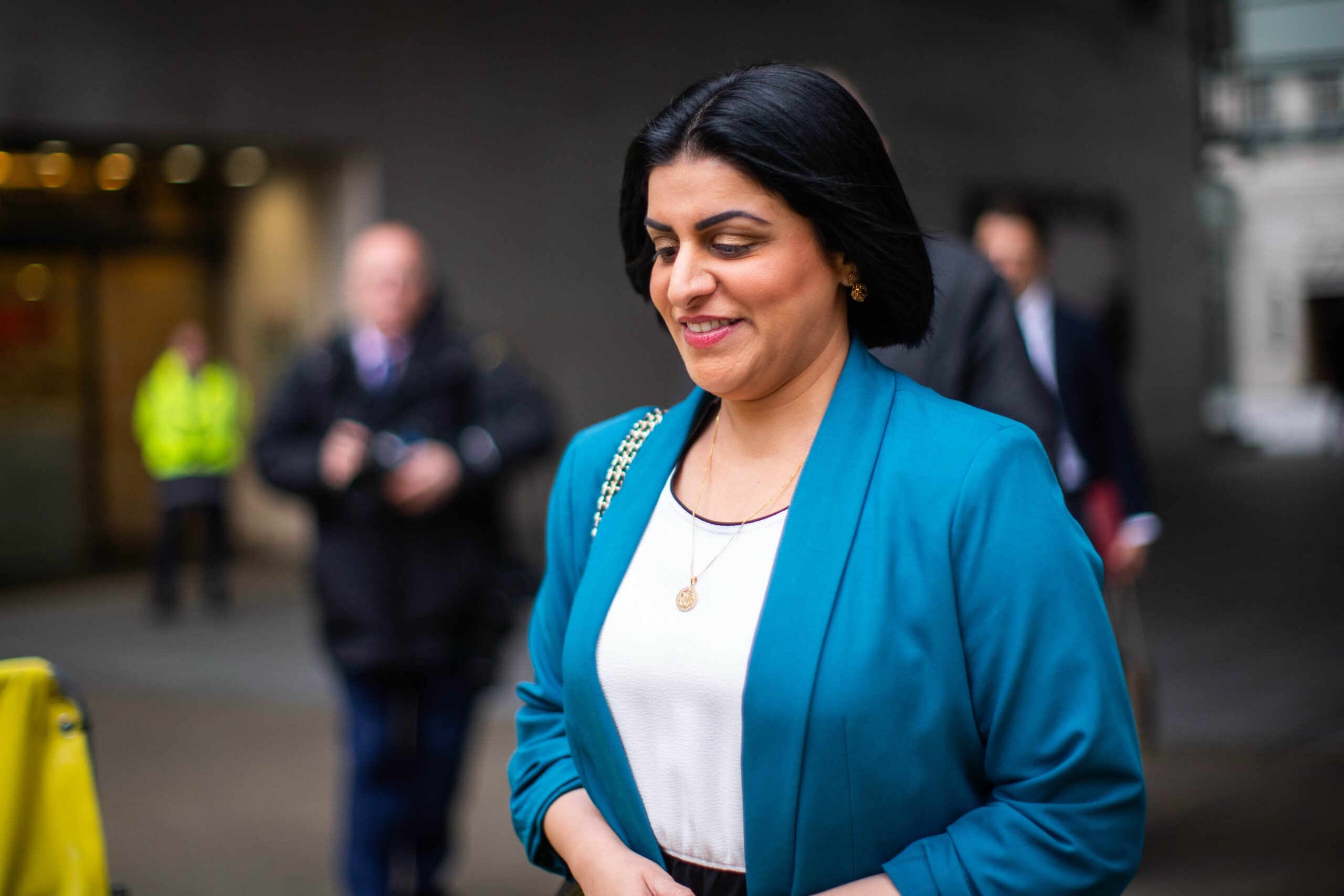
The Importance of Immigration Reforms
Immigration reform remains a pressing issue within the UK, impacting citizens and foreign nationals seeking to reside or work in the country. With various changes in policies and the sociopolitical landscape, strong voices advocating for a fairer approach have emerged. One such voice is Shabana Mahmood, a prominent Member of Parliament, whose recent proposals aim to reshape the current immigration framework.
Shabana Mahmood’s Vision
Shabana Mahmood has been vocal about the challenges faced by immigrants in the UK, particularly those from minority backgrounds. In her recent speeches and policy suggestions, she emphasises the need for reforms that address inequalities in the immigration system. Mahmood advocates for a compassionate approach, recognising the invaluable contributions immigrants make to British society and the economy.
Key Aspects of the Proposed Reforms
Among the key aspects of Mahmood’s proposed reforms are efforts to streamline the visa application process, enhance support for international students, and create pathways for skilled workers from various backgrounds. Her policies strive not only for improved efficiency in the immigration system but also for the promotion of diversity and inclusion.
Moreover, incorporating a fairer assessment criteria that accounts for an individual’s circumstances and skills, rather than solely focusing on a one-size-fits-all approach, is a major pillar of her plans. This would aid in reducing the bureaucratic hurdles that many face when trying to settle in the UK.
Current Support and Challenges
Mahmood’s proposals have garnered support from various community leaders and organisations, who view the reforms as a necessary shift towards a more human-centric immigration policy. However, opposition from conservative factions remains, citing concerns over security and public resources, which complicates the advocating process for these reforms.
Conclusion: Moving Forward
The implications of Shabana Mahmood’s immigration reform proposals go beyond mere policy changes—they speak to the UK’s evolving identity as a multicultural society. As Parliament debates these plans, the conversation surrounding immigration is likely to remain at the forefront of national dialogue. Embracing change may require overcoming significant political hurdles, but the push for inclusive reforms holds the potential for a more equitable future for immigrants and the UK as a whole. In a society poised to thrive on diversity, Mahmood’s vision could very well lay the foundation for a progressive immigration system that truly reflects modern British values.