Introduction
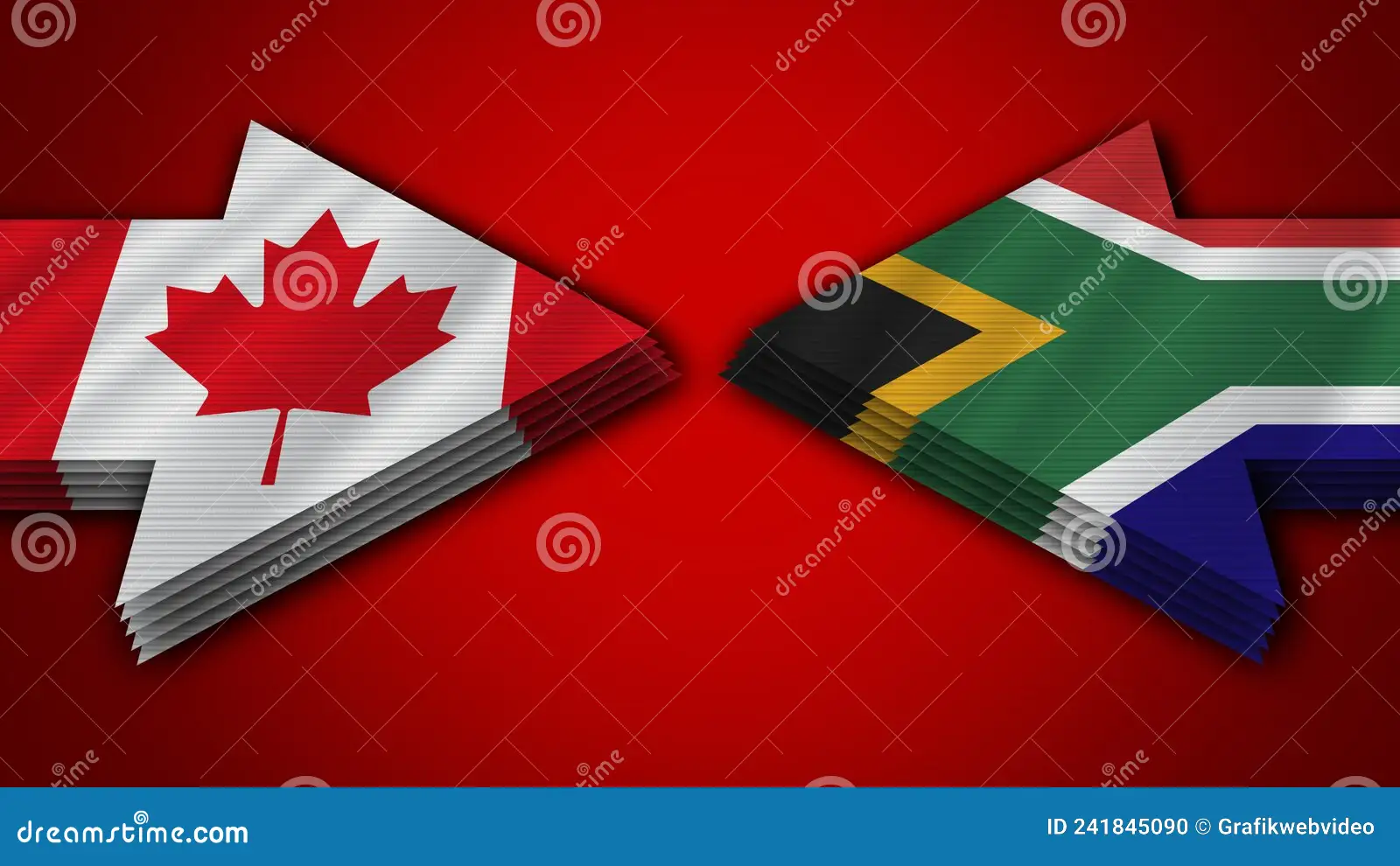
As two diverse nations with rich histories, South Africa and Canada stand out globally for their unique cultures, economies, and social dynamics. Understanding the similarities and differences between these countries is essential for fostering international relations and cooperation. This article explores key aspects of South Africa and Canada, shedding light on their socio-economic landscapes, cultural heritage, and global contributions.
Geographical and Political Background
South Africa is located at the southern tip of the African continent, known for its varied landscapes and climates, from beaches to mountains and deserts. Canada, on the other hand, is the second-largest country in the world, known for its vast wilderness and multicultural cities. Politically, South Africa is a constitutional democracy with a history rooted in the struggle against apartheid, while Canada has a parliamentary system that stresses multiculturalism and inclusivity.
Economy
South Africa’s economy is classified as an upper-middle-income economy, with key sectors including mining, manufacturing, and agriculture. The nation is rich in natural resources, particularly precious metals and minerals. Conversely, Canada boasts one of the largest economies in the world, driven by its vast natural resources, including oil, timber, and minerals, along with a robust service sector. The COVID-19 pandemic had impact on both nations, with South Africa facing heightened economic challenges compared to Canada, which has shown more resilience during economic downturns.
Cultural Comparisons
Both countries are celebrated for their cultural diversity. South Africa, often referred to as the ‘Rainbow Nation’, consists of 11 official languages and a variety of cultural practices influenced by indigenous populations and historical colonialism. Canada, known for its bilingual nature, embraces both English and French languages alongside a plethora of indigenous cultures. Celebrations, festivals, and traditional arts play significant roles in both societies, bringing communities together regardless of their backgrounds.
Conclusion
In conclusion, while South Africa and Canada present distinct geographical, economic, and cultural landscapes, both nations hold tremendous potential for growth and cooperation on the international stage. As global challenges, such as climate change and economic disparities, continue to evolve, comparative studies like this one can foster understanding and collaboration between South Africa and Canada. Future forecasts indicate an increased focus on sustainable development and cultural exchange to drive mutual benefit for both countries.