Introduction to Sudden Stratospheric Warming
Sudden stratospheric warming (SSW) is a meteorological phenomenon that significantly impacts the weather and climate in the Northern Hemisphere, particularly during the winter months. It occurs when there is a rapid temperature increase in the stratosphere, leading to disruptive changes in weather systems. Understanding SSW is crucial for meteorologists and climate scientists as it provides insights into seasonal forecasts and extreme weather events, making it relevant for both scientific communities and the general public.
What Happens During Sudden Stratospheric Warming?
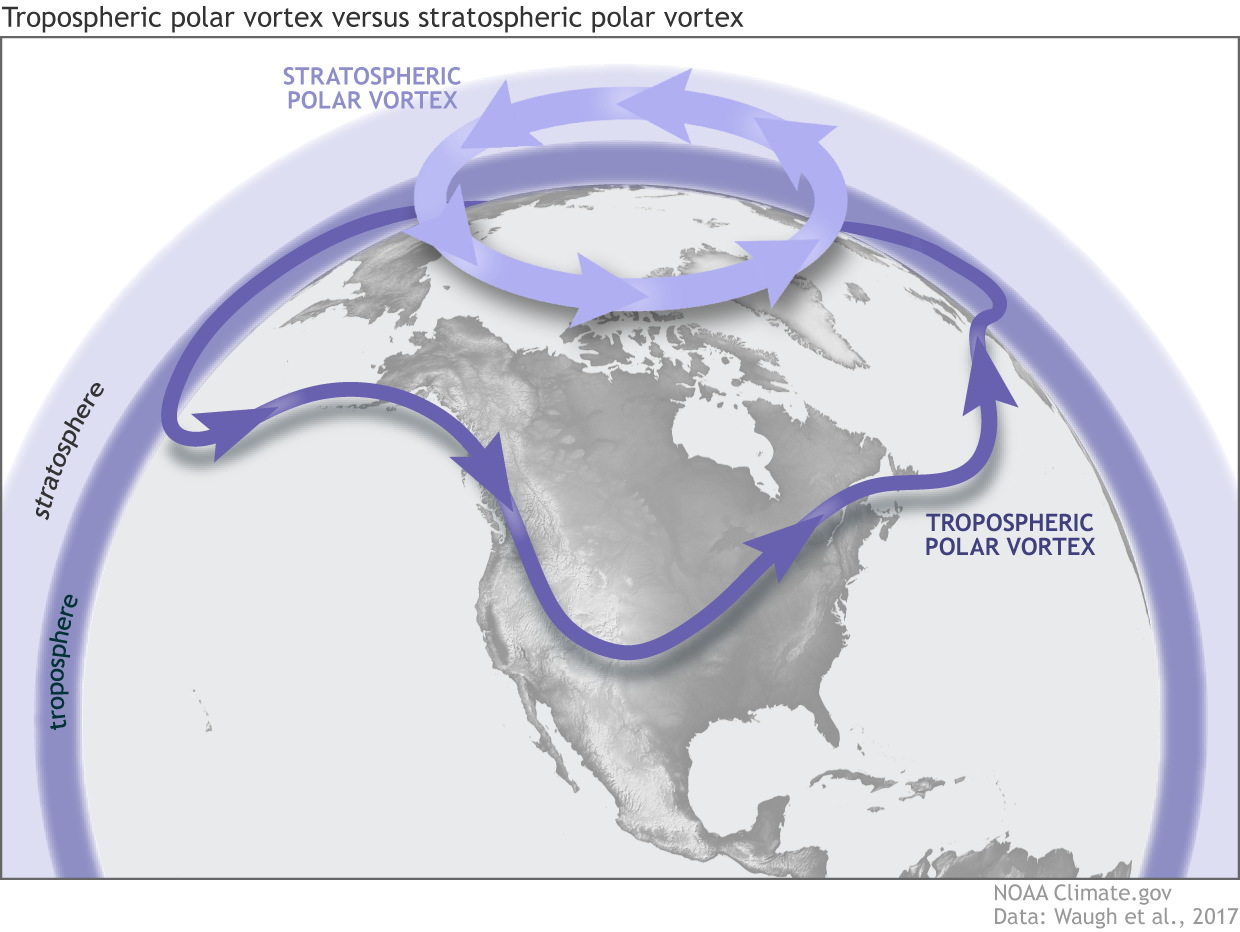
During SSW events, the polar vortex, a large area of low pressure and cold air surrounding the Earth’s poles, becomes disturbed. This disturbance can cause the polar vortex to weaken or split, sending cold Arctic air southward. The SSW is often caused by various factors, including changes in atmospheric circulation patterns, natural variability, and events such as El Niño.
This year, meteorologists have observed notable SSW activity, with reports of significant temperature increases in the stratosphere recorded in January 2023. According to the Met Office, temperatures in the stratosphere soared above average by as much as 30 degrees Celsius in certain areas, leading to significant weather shifts throughout Europe and North America.
Recent Impact of SSW on Weather
The recent SSW events have resulted in a marked increase in extreme cold spells in parts of Europe, creating conditions that led to heavy snowfall and frigid temperatures in regions unaccustomed to such weather. The United Kingdom experienced unusual snowfalls and colder temperatures throughout January and February, with reports indicating that such conditions were directly linked to the stratospheric warming. Furthermore, forecasts suggest that as polar air descends, regions in North America might also be affected by prolonged cold waves as a result of altered jet stream patterns.
Conclusion and Future Outlook
Understanding sudden stratospheric warming is essential, not only for forecasting short-term winter weather but also for predicting long-term climate shifts. As climate change continues to influence polar temperatures and atmospheric patterns, SSW events may become more frequent or intense. Future studies are essential to deepen our understanding of these phenomena and their broader implications for global weather systems. It is vital for communities to remain aware of SSW, as its effects can have profound impacts on everyday life, including transportation, agriculture, and energy use.