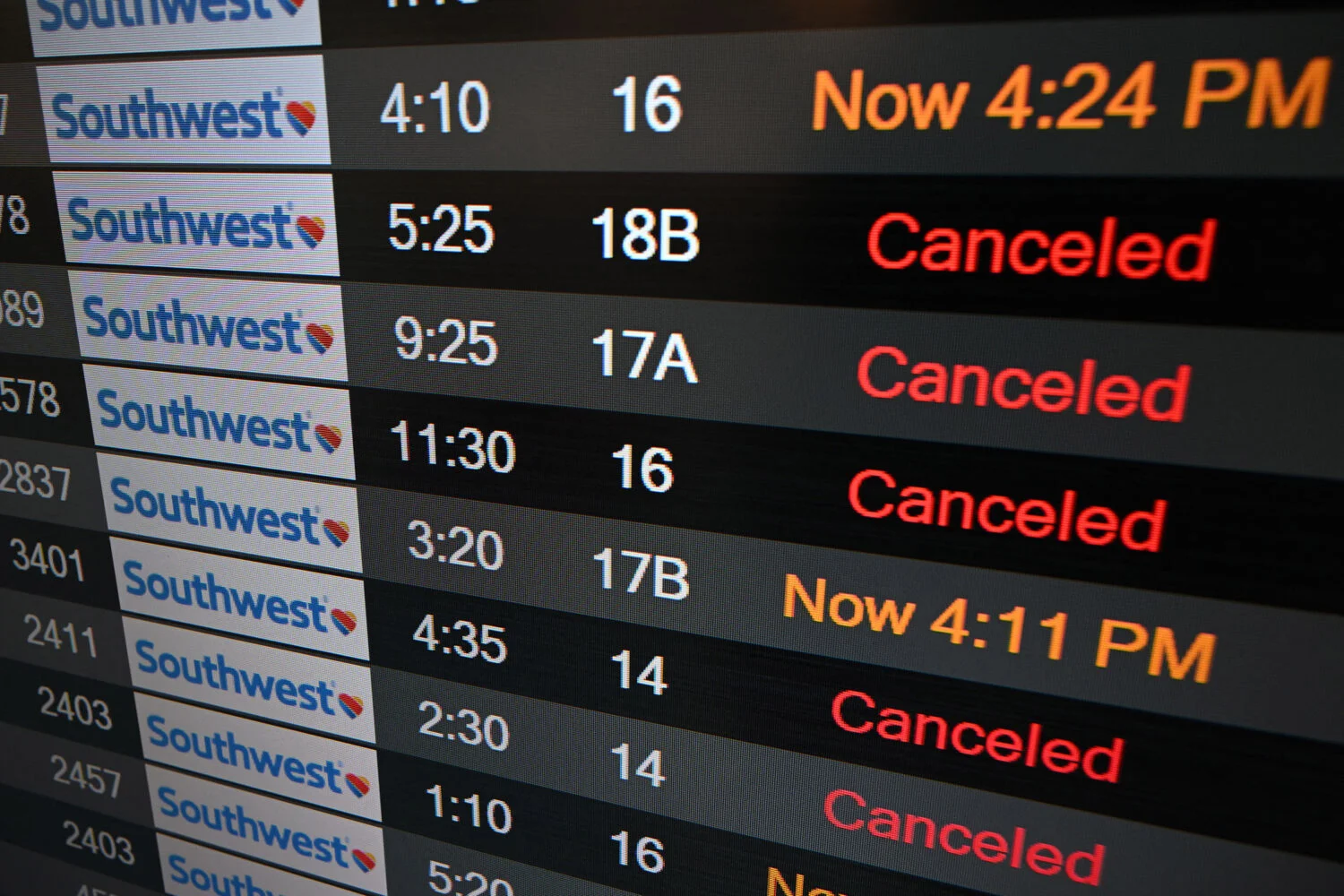
The Current Situation of Flights Cancelled in Europe
In recent weeks, Europe has witnessed an alarming increase in flight cancellations affecting thousands of travellers. With the summer holiday season in full swing, major airlines have reported operational disruptions due to various reasons including staff shortages, air traffic control strikes, and adverse weather conditions. According to a report from Eurocontrol, over 30,000 flights were cancelled in Europe in August 2023 alone, marking a significant rise compared to the same period last year.
Key Factors Contributing to the Flight Cancellations
Staffing issues have been cited as a primary factor for the high cancellation rates. Many airlines are still struggling to recruit sufficient personnel after mass layoffs during the COVID-19 pandemic. Additionally, strikes initiated by air traffic controllers in several countries, particularly France and Spain, have further complicated the situation, leading to significant delays and subsequent cancellations.
Furthermore, the erratic weather patterns expected during the summer months have greatly impacted flight operations. Severe storms and excessive heat have disrupted scheduled services, leading airlines to make the tough decision to cancel flights.
Impact on Travellers and Recommendations
The impact on travellers has been profound, with many facing unexpected disruptions to their travel plans. From lengthy waits at the airport to last-minute flight reroutes, passengers have expressed frustration as they navigate these challenges. Airlines have reported increased call volumes, with many customers seeking refunds or alternative travel arrangements.
For travellers planning to fly in the coming weeks, experts recommend checking flight status regularly and being flexible with travel itineraries. It is also advisable to consider purchasing travel insurance that covers cancellations and delays to mitigate potential losses.
Looking Ahead: The Future of European Travel
The impending winter months could pose additional challenges, and airlines will need to adopt more proactive measures to prevent further cancellations. Stakeholders are urging greater investment in both infrastructure and workforce to better manage the travel demands. Despite the current setbacks, analysts believe that significant improvements are possible if airlines strategically plan for the future and enhance their operational capabilities.
In conclusion, while the surge in flights cancelled in Europe has created barriers for many, this situation also presents an opportunity for the travel industry to rebuild and better prepare for the inevitable peaks in passenger demand.