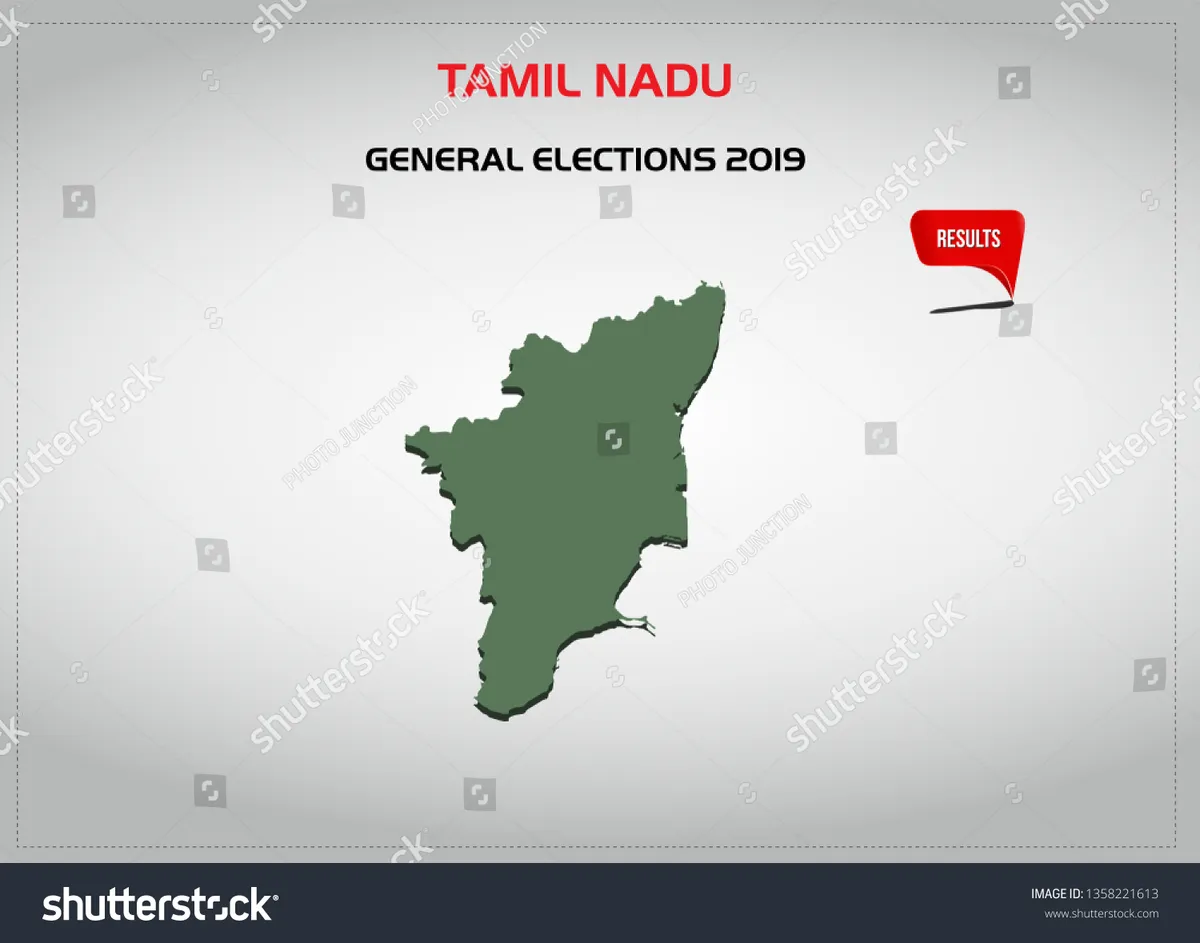
“Celebration tents removed from DMK headquarters as party trails, party workers break down.” This stark observation captures the mood as vote counting began at 8 am on May 4, 2026, revealing unexpected trends in the Tamil Nadu Assembly elections.
The latest reports indicate that the Tamilaga Vettri Kazhagam (TVK) is leading in 112 seats, a significant departure from prior expectations. Many had predicted that the ruling Dravida Munnetra Kazhagam (DMK) would retain power. Instead, DMK currently occupies only 47 seats, while the All India Anna Dravida Munnetra Kazhagam (AIADMK) trails with 58.
Voter turnout reached an astonishing 85.1 percent, marking the highest participation in the state’s history with approximately 5.73 crore registered voters casting their ballots. This surge in civic engagement might have played a pivotal role in reshaping the electoral landscape.
Currently, TVK has secured over 38 percent of the vote share—roughly 56.90 lakh votes. In contrast, DMK garnered about 24 percent and AIADMK around 22 percent of the votes. These figures suggest a dramatic shift in voter sentiment.
The backdrop of this election was characterized by several exit polls predicting a comfortable victory for the DMK. Yet, as these numbers unfold, they challenge long-standing assumptions about Tamil Nadu’s political dynamics.
The implications of these results could be far-reaching. Political analysts will likely scrutinize this shift closely—what does it mean for future governance and party alliances? As TVK celebrates its unexpected success, DMK must reassess its strategies moving forward.