Introduction
Target Corporation, one of the leading retail companies in the United States, has recently announced a series of strategic initiatives aimed at bolstering its market presence and enhancing customer experiences in 2023. As the retail landscape continues to evolve, the importance of adapting to consumer needs and preferences remains paramount for maintaining competitiveness. This article delves into Target’s growth strategy and its implications for the retail sector.
Current Initiatives and Developments
In 2023, Target is focusing on several key areas to drive growth. The company has invested heavily in its digital transformation, with new enhancements to its mobile app and website aimed at improving the online shopping experience. These improvements come in response to a significant increase in consumer preference for online shopping, a trend accelerated by the COVID-19 pandemic.
Moreover, Target is expanding its range of private label brands, which have gained popularity among budget-conscious shoppers. Notably, the company has introduced several new products under its “Good & Gather” food brand, which aims to meet the increasing demand for quality groceries at affordable prices. This strategic move not only bolsters Target’s product offerings but also enhances customer loyalty and satisfaction.
Store Expansion and Community Engagement
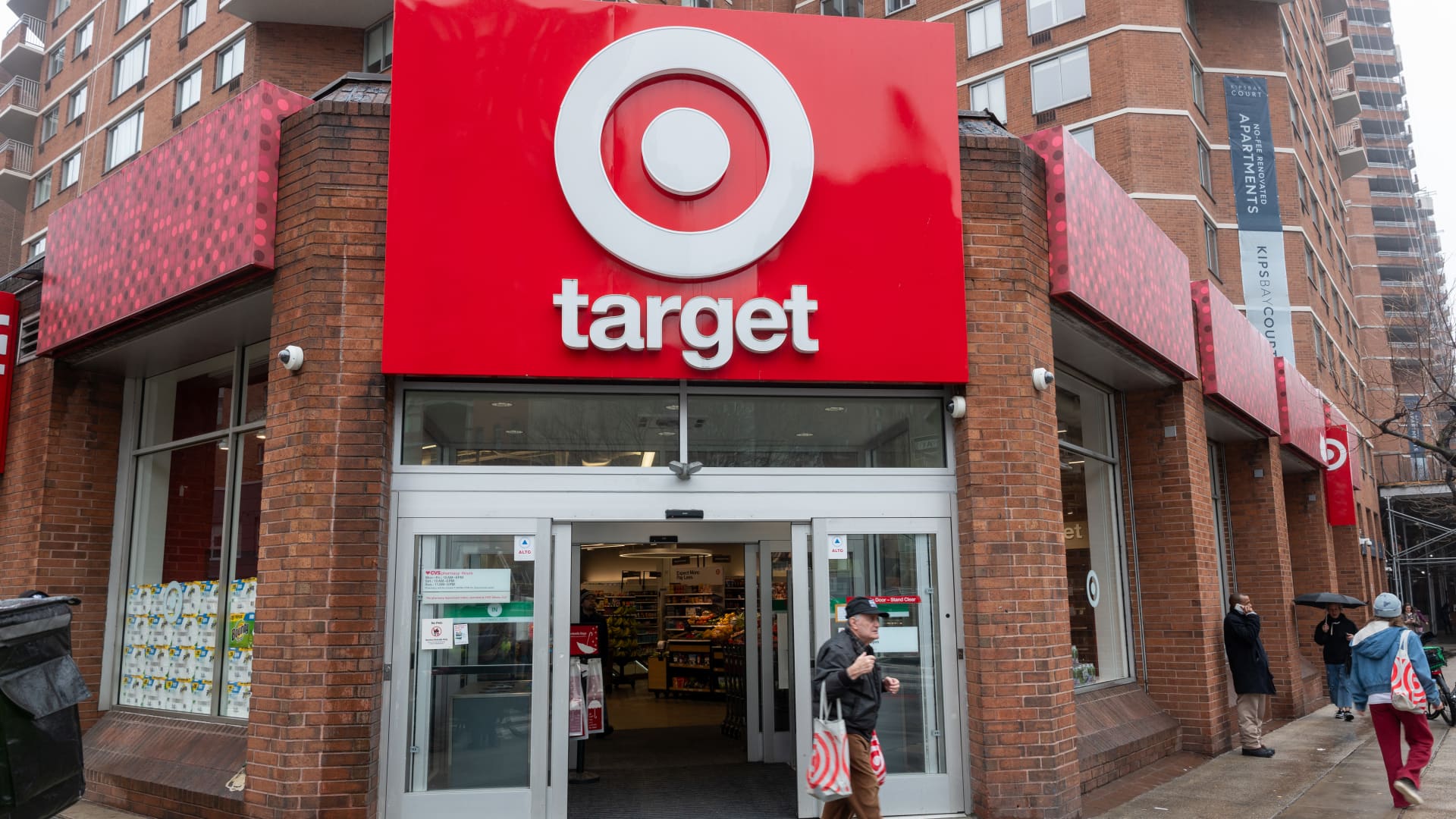
In addition to digital and product innovations, Target is also focusing on expanding its physical footprint with new store openings across various regions. The company has plans to open 30 new locations by the end of the year, particularly in underserved urban areas. This expansion not only aims to increase accessibility but also promotes community engagement by creating job opportunities in these regions.
Furthermore, Target is committed to sustainability, setting ambitious goals to reduce its carbon footprint by 50% by 2030. The initiatives include increasing the use of renewable energy across its operations and offering sustainable products for environmentally conscious consumers.
Conclusion
As Target embarks on its growth strategy in 2023, the emphasis on digital transformation, product expansion, physical store growth, and sustainability is notable. These efforts highlight the company’s adaptability and responsiveness to changing consumer preferences and market trends. Looking ahead, Target’s initiatives are likely to reinforce its position as a leader in the retail sector, ultimately promising a more engaging shopping experience for its customers. As we observe the retail landscape transform, Target’s proactive approach will serve as a key case study for other retailers aiming to thrive in a competitive environment.