The numbers
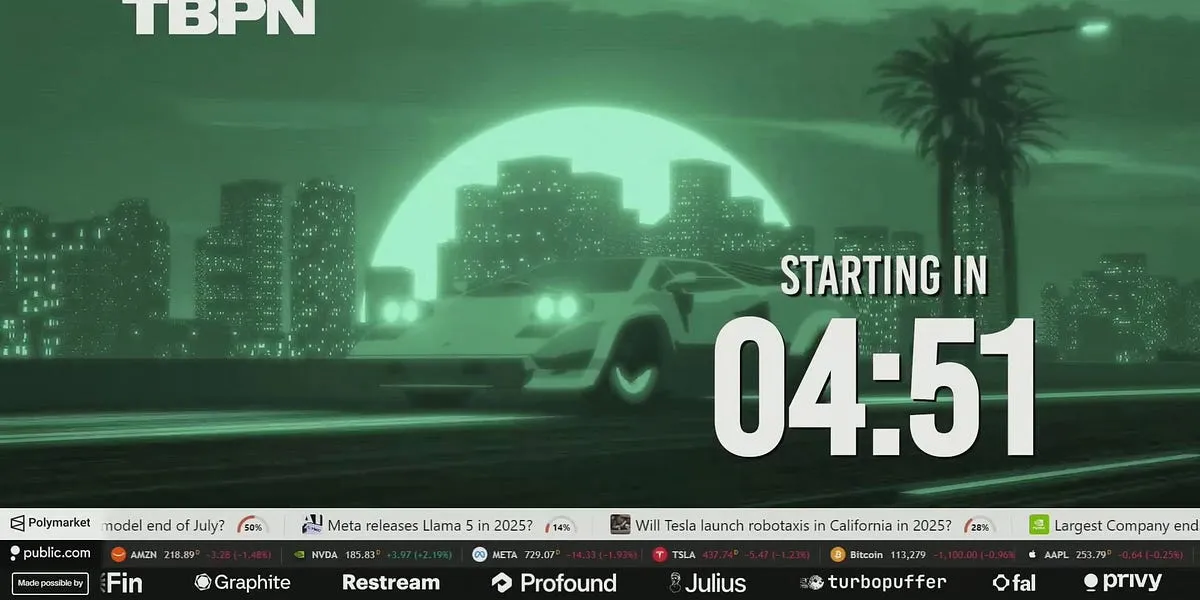
OpenAI has made headlines with its acquisition of TBPN, a streaming show that has garnered significant attention in the tech world. This deal marks OpenAI’s first foray into media, with TBPN projected to generate over $30 million in advertising revenue this year alone. The acquisition is seen as a strategic move to bolster OpenAI’s public communication efforts, especially as the company navigates the complex landscape of artificial intelligence and its societal implications.
TBPN, hosted by former tech founders John Coogan and Jordi Hays, is a daily live show that airs for three hours on platforms like YouTube and X. The show has developed a loyal following, particularly in Silicon Valley, where discussions around technology and business are paramount. OpenAI’s CEO, Sam Altman, has expressed his admiration for TBPN, calling it his favorite tech show, which underscores the alignment between the two entities.
Despite the acquisition, TBPN will maintain its editorial independence. As Fidji Simo, a key figure in the acquisition, stated, “TBPN will continue to run their programming, choose their guests, and make their own editorial decisions.” This commitment to independence is crucial, as it allows TBPN to retain its unique voice and perspective in the tech discourse.
Historically, OpenAI has been cautious about its media presence, previously exiting the video generation business by shutting down Sora. This acquisition signals a shift in strategy, aiming to leverage TBPN’s established communication and marketing skills to enhance OpenAI’s outreach. Chris Lehane, OpenAI’s chief political operative, will oversee TBPN, indicating the importance of this acquisition in OpenAI’s broader strategy.
Coogan remarked on the significance of the deal, stating, “This is real. This is a very interesting deal.” His enthusiasm reflects the potential impact TBPN could have under OpenAI’s umbrella, especially as the company seeks to influence how technology is perceived and understood globally. Jordi Hays added, “Moving from commentary to real impact in how this technology is distributed and understood globally is incredibly important to us,” highlighting the show’s ambition to drive meaningful conversations around technology.
However, the acquisition comes with changes; TBPN will no longer pursue its advertising business after the deal. This pivot raises questions about how the show will sustain itself financially and what new revenue models may emerge. OpenAI’s broader financial targets, including an ambitious goal of reaching $280 billion in revenue by 2030, suggest that the company is positioning itself for significant growth in the coming years.
As the tech landscape continues to evolve, observers are keenly watching how OpenAI will integrate TBPN into its operations. The potential for TBPN to influence public perception of AI and technology is immense, but details remain unconfirmed regarding the specific changes that will take place in the show’s format and content. The acquisition could redefine how technology companies engage with the public, making this a pivotal moment in the intersection of media and technology.
In summary, OpenAI’s acquisition of TBPN is not just a business transaction; it represents a strategic alignment aimed at enhancing communication in the tech sector. With TBPN’s established presence and OpenAI’s resources, the partnership could lead to new avenues for public engagement and understanding of technology.