Introduction
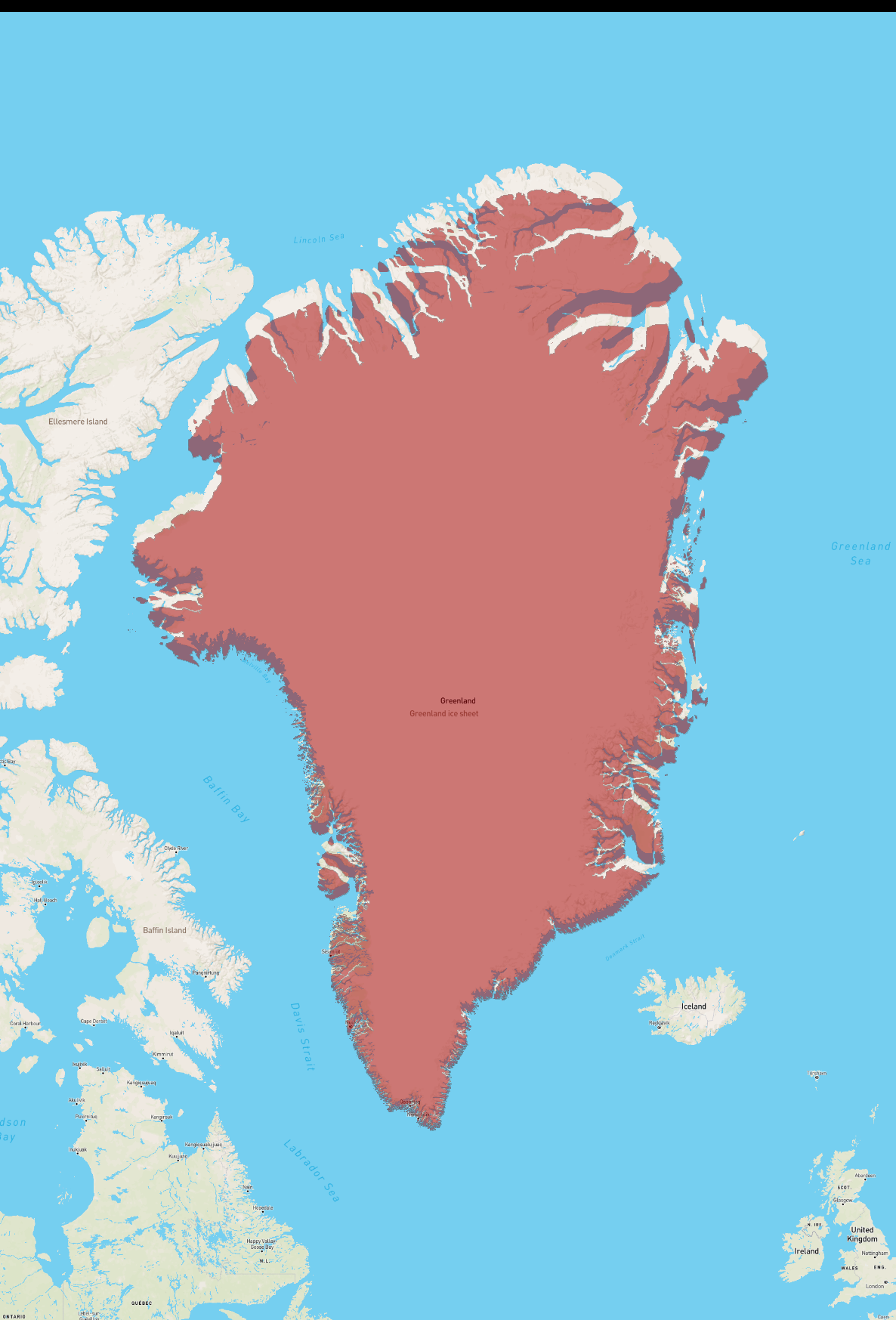
Greenland, the world’s largest island, is experiencing dramatic transformations due to climate change. Its glaciers are melting at an alarming rate, contributing to rising sea levels and impacting global weather patterns. The importance of understanding these changes cannot be overstated, as they pose critical risks not just to Greenland’s own ecosystems but also to coastal communities worldwide.
The Current Situation
Recent reports from the Danish Meteorological Institute highlight that Greenland’s ice sheet has shed a record amount of ice over the past decade, with approximately 3.8 trillion tonnes lost since 1992. This acceleration of ice melt is primarily attributed to rising air temperatures, which have been confirmed by data showing that temperatures in Greenland are rising four times faster than the global average. The consequences are profound: scientists predict that if current trends continue, vast portions of Greenland could become ice-free by the end of the century.
Impacts on Local Communities
The ramifications of these environmental changes extend beyond the ice itself. Indigenous communities, who rely on the region’s natural resources for their livelihood, are facing challenges to their way of life. As traditional hunting grounds shift and some species decline, food security and cultural practices are at risk. Furthermore, thawing permafrost is making the ground unstable, threatening infrastructure in towns and villages.
Global Significance
Greenland’s situation is not isolated. The melting of its ice sheets significantly influences global sea levels, with projections estimating a potential rise of over 7 meters if the entire ice sheet were to melt. This presents an urgent challenge for countries around the world, particularly those with low-lying coastal areas. The economic implications are staggering, with costs related to climate adaptation and loss of land and property predicted to reach trillions of dollars.
Conclusion
As scientists continue to monitor Greenland’s ice melt, it becomes increasingly evident that immediate action is required to mitigate the effects of climate change. The international community must address greenhouse gas emissions and invest in sustainable solutions. For readers, staying informed about these developments is vital, as the fate of Greenland is intertwined with our collective future on this planet.