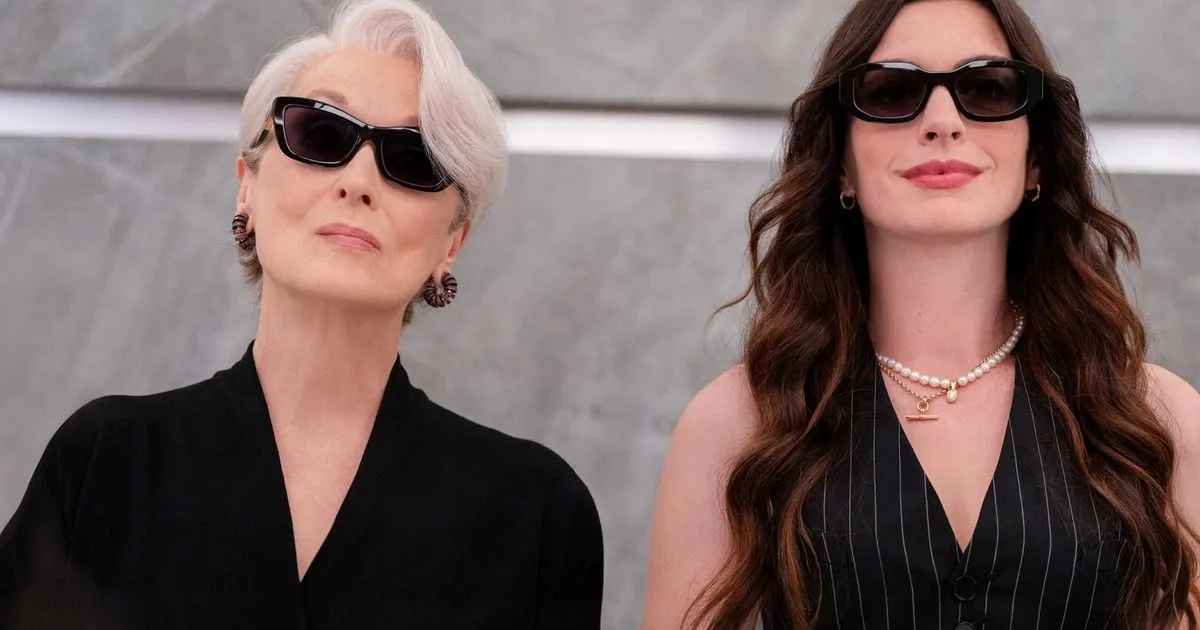
The Devil Wears Prada 2 critiques the current state of legacy media while reuniting the original cast on May 1, 2026. With Meryl Streep reprising her iconic role as Miranda Priestly and Anne Hathaway returning as Andy Sachs, this sequel aims to explore themes of legacy amidst a media crisis.
The original film, released in 2006, became a cultural phenomenon—setting high expectations for its follow-up. The fashion industry has evolved dramatically since then, with social media reshaping how brands communicate and consumers engage. Yet, nostalgia often clouds judgment.
When the announcement hit, many fans expressed both excitement and skepticism. Critics have already labeled it a nostalgia-driven cash grab. Can it capture the playful spark of its predecessor? Or will it falter under the weight of expectation?
Key themes explored:
- The challenges facing modern journalism and media outlets.
- The impact of social media on fashion branding.
- The generational gap between legacy and contemporary influences.
The film features new characters and cameos from the fashion world—an attempt to bridge old and new. Still, some worry that these additions might dilute the essence of what made the original resonate.
Critics highlight that Meryl Streep’s performance as Miranda remains a standout. One observer noted, “Turns out, Miranda is not unique to fashion; she’s just better dressed.” This reflects a broader commentary on how society views authority figures today.
In a pivotal moment, Andy Sachs remarks, “We just can’t keep sucking the soul out of everything.” This line encapsulates the film’s critique of both Hollywood’s obsession with sequels and the fashion industry’s relentless pursuit of trends.
As we approach its release date, expectations remain mixed. Will audiences embrace this return or view it as another hollow attempt to capitalize on nostalgia? The answer may lie in how well it balances homage with innovation.