Introduction
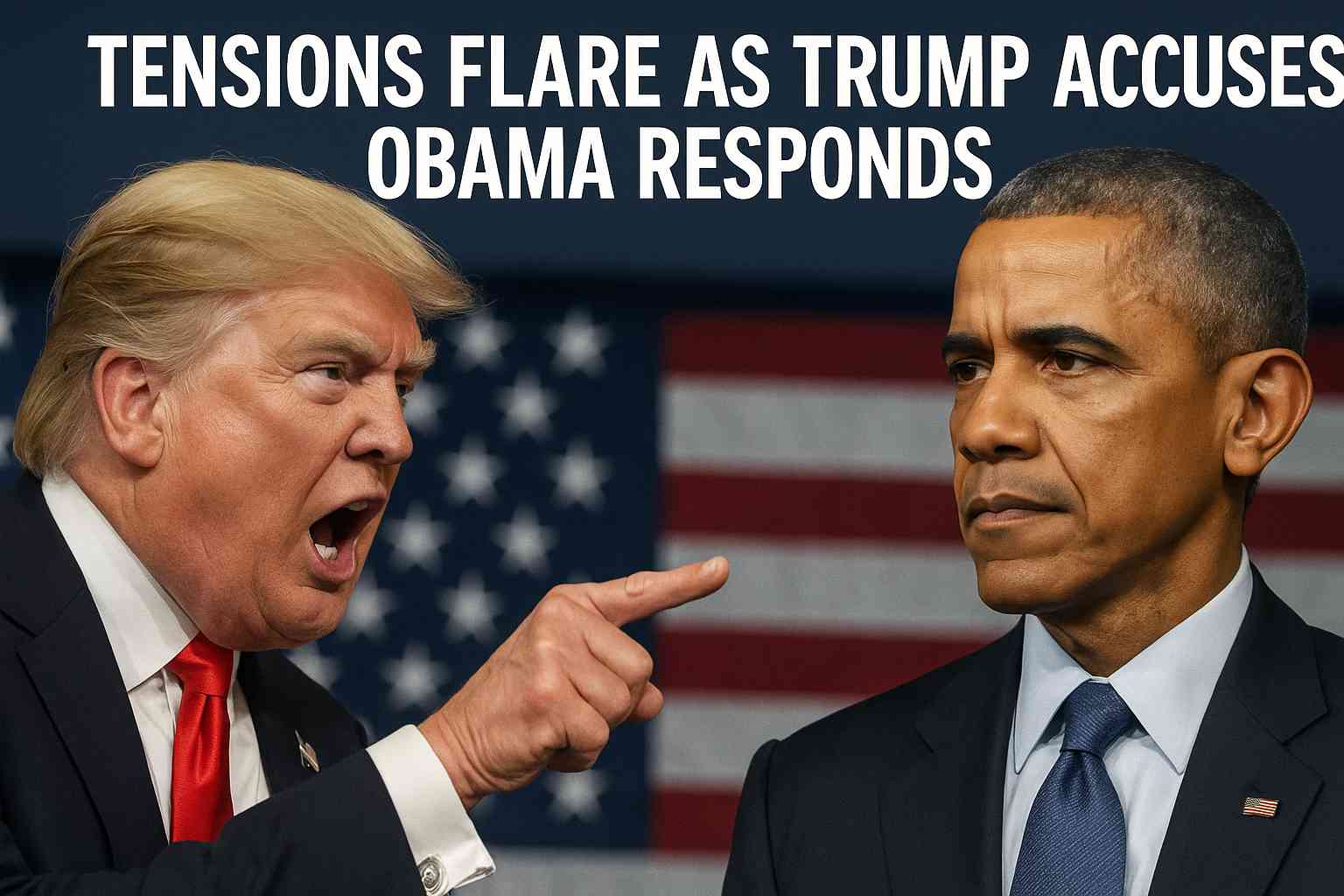
The relationship between former presidents Donald Trump and Barack Obama has been a focal point of American political discourse since Trump’s election in 2016. Their contrasting ideologies, leadership styles, and legacies offer a compelling narrative about American politics in the 21st century. Understanding this relationship is crucial as it provides insights into the ongoing political climate in the United States.
Historical Context
Donald Trump and Barack Obama, from opposing political parties—the Republican and Democratic Parties respectively—have both shaped and been shaped by the turbulent political landscape of their times. Obama’s presidency, which lasted from 2009 to 2017, was marked by significant legislation such as the Affordable Care Act and foreign policy shifts towards multilateralism. In contrast, Trump’s administration (2017-2021) focused on an ‘America First’ policy, exploring nationalism and populism, which stood in stark opposition to many of Obama’s initiatives.
Key Interactions
Since Trump took office, he frequently criticized Obama, labeling his administration as ineffective and claiming that he inherited a ‘mess’ from his predecessor. One of the earliest moments that garnered attention was when Trump vowed to repeal Obamacare, a hallmark of Obama’s presidency. This antagonism played out in public speeches and social media, where both men exchanged barbs. Yet, during moments of national tragedy, such as the COVID-19 pandemic, there was a facade of decorum aimed at reassuring the public regarding leadership continuity.
Impact on Political Landscape
The legacy of Obama has been a double-edged sword for Trump. While Trump’s policies often sought to dismantle Obama’s achievements, he also inadvertently polarized the electorate further. This dynamic created a rift not only between their partisans but within the country at large. According to recent polls, public opinion remains deeply divided along partisan lines, with Trump’s supporters often expressing disdain for Obama’s policies and legacy.
Conclusion
As both Trump and Obama continue to be influential figures in American politics—Obama through his advocacy and mentorship roles, and Trump through his continued involvement in partisan politics—their relationship remains significant. Analysts suggest that their differences could pave the way for new political narratives and electoral strategies as the United States heads toward the next presidential elections in 2024. Understanding this dynamic is essential as it reflects broader societal divides and the evolving political landscape.