Introduction
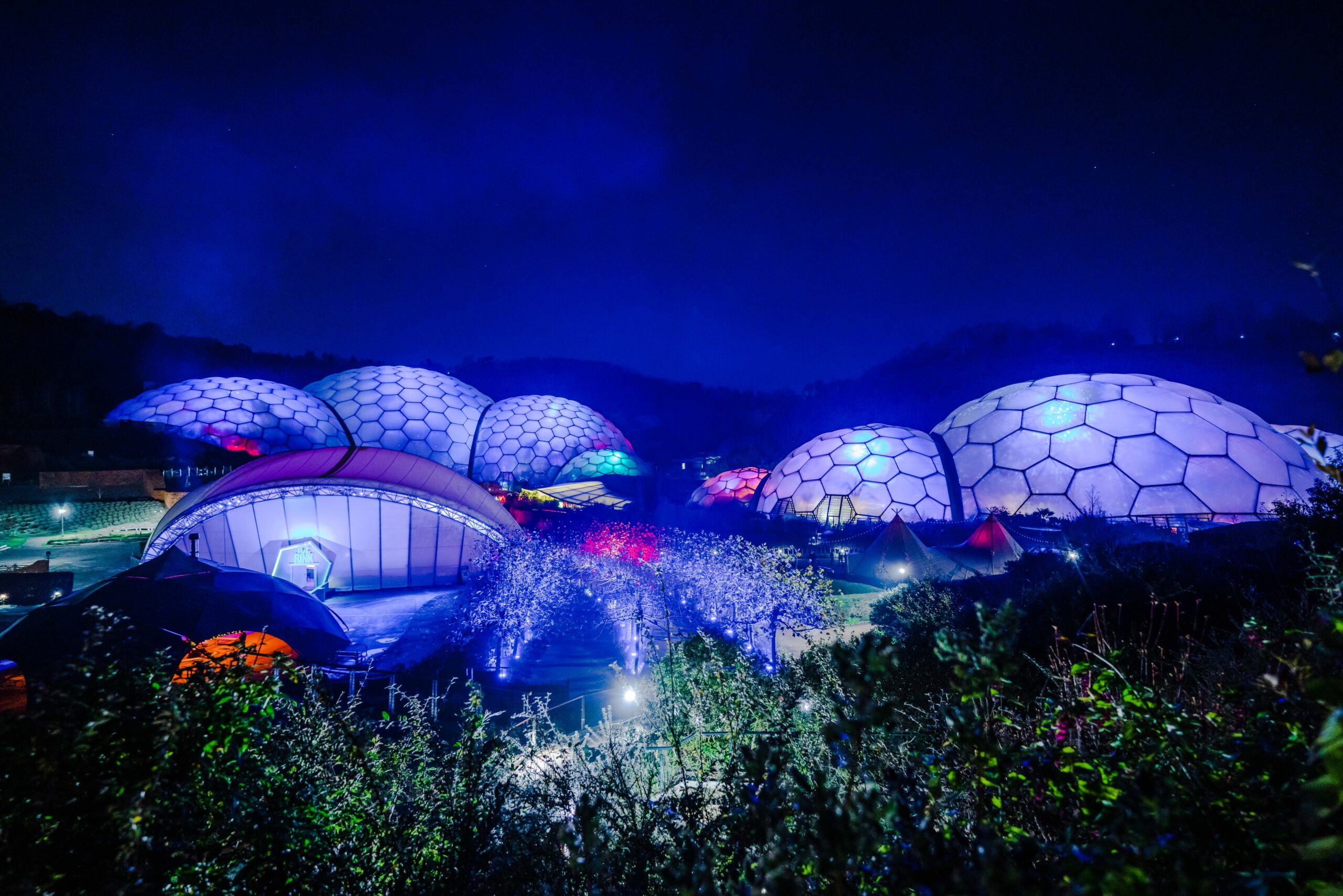
The Eden Project, located in Cornwall, England, is a renowned architectural marvel and ecological garden that has become a symbol of environmental sustainability. With its biomes housing thousands of plant species from around the world, the project serves as a vital educational hub that raises awareness about biodiversity and the importance of conservation. Established in 2001, the Eden Project attracts over a million visitors annually, making it not only a tourist attraction but also a pioneer in promoting sustainable living.
Recent Developments
In recent months, the Eden Project has launched several initiatives aimed at combatting climate change and enhancing its educational offerings. One such initiative is the “Climate Action Hub,” which opened in January 2023. This facility provides workshops, seminars, and interactive displays to engage visitors in climate science and sustainable practices. Moreover, the Eden Project is collaborating with local schools to incorporate sustainability into their curriculums, illustrating how the natural world can be intertwined with education.
Another exciting development is the Eden Project’s expansion plans that were announced earlier this year. The project aims to create a ‘Global Garden’ that will feature plants from various continents, further promoting biodiversity and global environmental awareness. This expansion is expected to create new job opportunities in the region and stimulate local tourism.
Impact and Significance
The Eden Project has profound implications for environmental conservation. It not only provides a safe haven for rare plant species but also serves as a global stage for discussions on climate issues. Its state-of-the-art greenhouse biomes demonstrate the potential for sustainable agriculture, inspiring visitors to adopt eco-friendly practices in their own lives.
Furthermore, the Eden Project plays a significant role in the local economy, providing jobs and stimulating the tourism sector. In a region that was historically reliant on mining, the Eden Project has transformed the area into a vibrant cultural and educational centre, significantly contributing to regeneration efforts.
Conclusion
The Eden Project is more than just a botanical garden; it is a beacon of hope in the fight against environmental degradation. As it continues to expand and evolve, it offers valuable insights into sustainable living that can be applied globally. For anyone interested in ecology, conservation, or simply looking for a meaningful day out, the Eden Project stands as a testament to what is possible when innovation meets environmental stewardship.