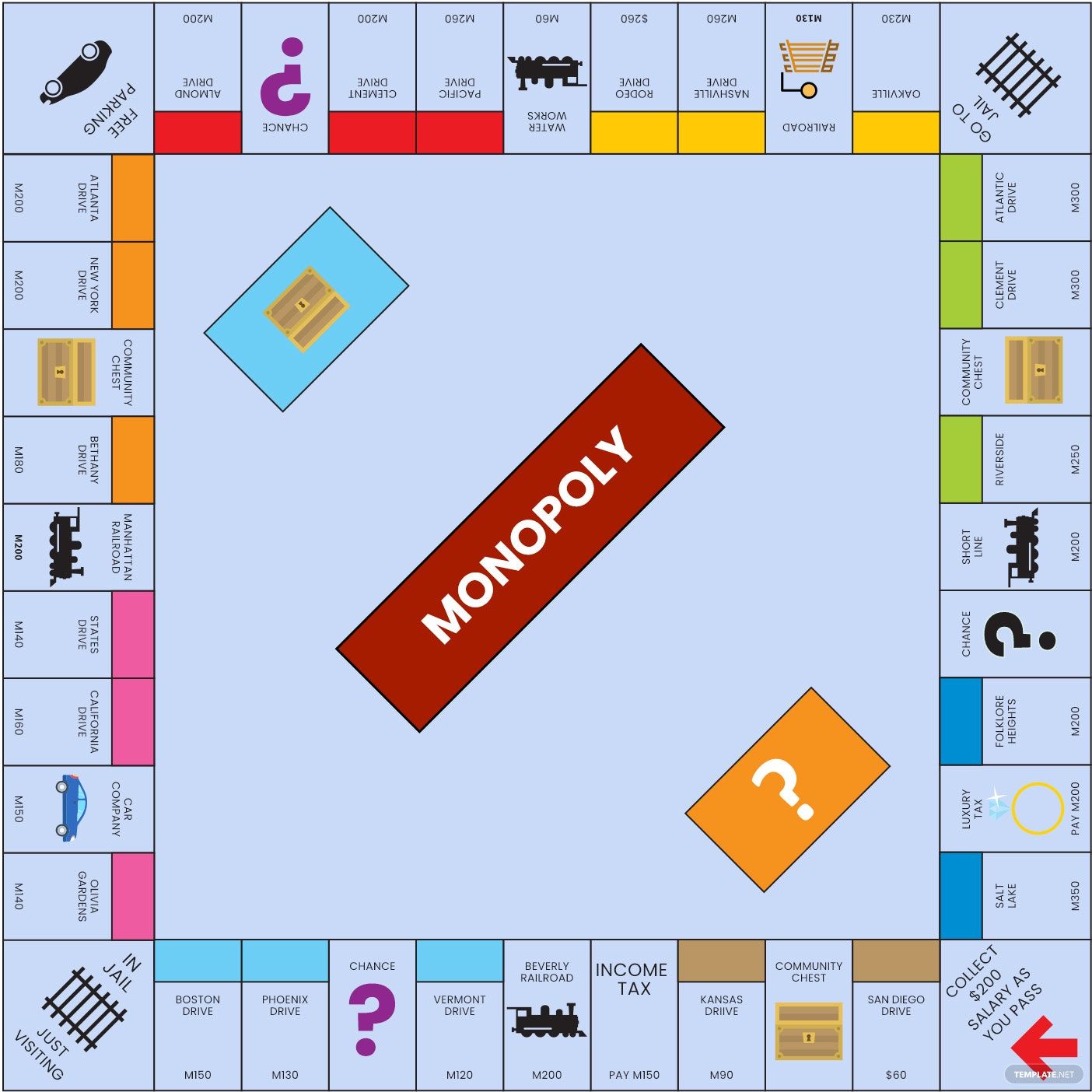
Introduction to Monopoly Board
The Monopoly board game has become a beloved staple of family entertainment and competitive fun worldwide since its inception in the early 20th century. Its blend of strategy, real estate management, and chance appeals to players of all ages, making it a mainstay during family gatherings, game nights, and holidays. The importance of Monopoly stretches beyond mere entertainment; it has also sparked discussions on economics, capitalism, and social structures, reflected through its engaging gameplay.
The Origins of Monopoly
The roots of Monopoly can be traced back to the early 1900s when Lizzie Magie created ‘The Landlord’s Game’ as a way to illustrate the pitfalls of land monopolism. It was later adapted by Charles Darrow in the 1930s, leading to the modern version we recognise today. Since then, Monopoly has seen numerous editions, themed updates, and adaptations reflecting various cultures, cities, and interests. The game’s ability to evolve speaks to its cultural relevance in today’s society.
Events and Popularity in Recent Years
The game continues to enjoy a strong following, evidenced by the recently successful ‘Monopoly: Animal Crossing Edition,’ which merges the fun of the iconic game with the beloved video game series, further attracting a younger audience. Moreover, the Monopoly World Championships, which began in 1973, highlights its competitive edge and draws participants globally, showcasing the game’s enduring allure.
Market Trends and Cultural Impact
In recent years, Monopoly has also taken on a more digital format, with electronic and online versions gaining popularity. According to a 2022 report from the Toy Industry Association, Monopoly remains one of the top-selling board games worldwide, demonstrating resilience in the face of digital entertainment. This transition portrays how the game has managed to sustain its relevance despite the ever-changing landscape of gaming.
Conclusions and Implications for Readers
The Monopoly board game has not only endured the test of time but also adapted to remain relevant in modern-day society. Its dual role as a source of entertainment and a lens through which to examine economic systems ensures its ongoing appeal. As families and friends gather around the board, the game fosters connections and discussions that transcend generations. For new players and seasoned veterans alike, Monopoly continues to be more than just a game—it’s a cultural phenomenon that invites strategy, negotiation, and creativity. Looking to the future, one can expect further adaptations and continued popularity as board games reclaim their place in social interactions.