Introduction
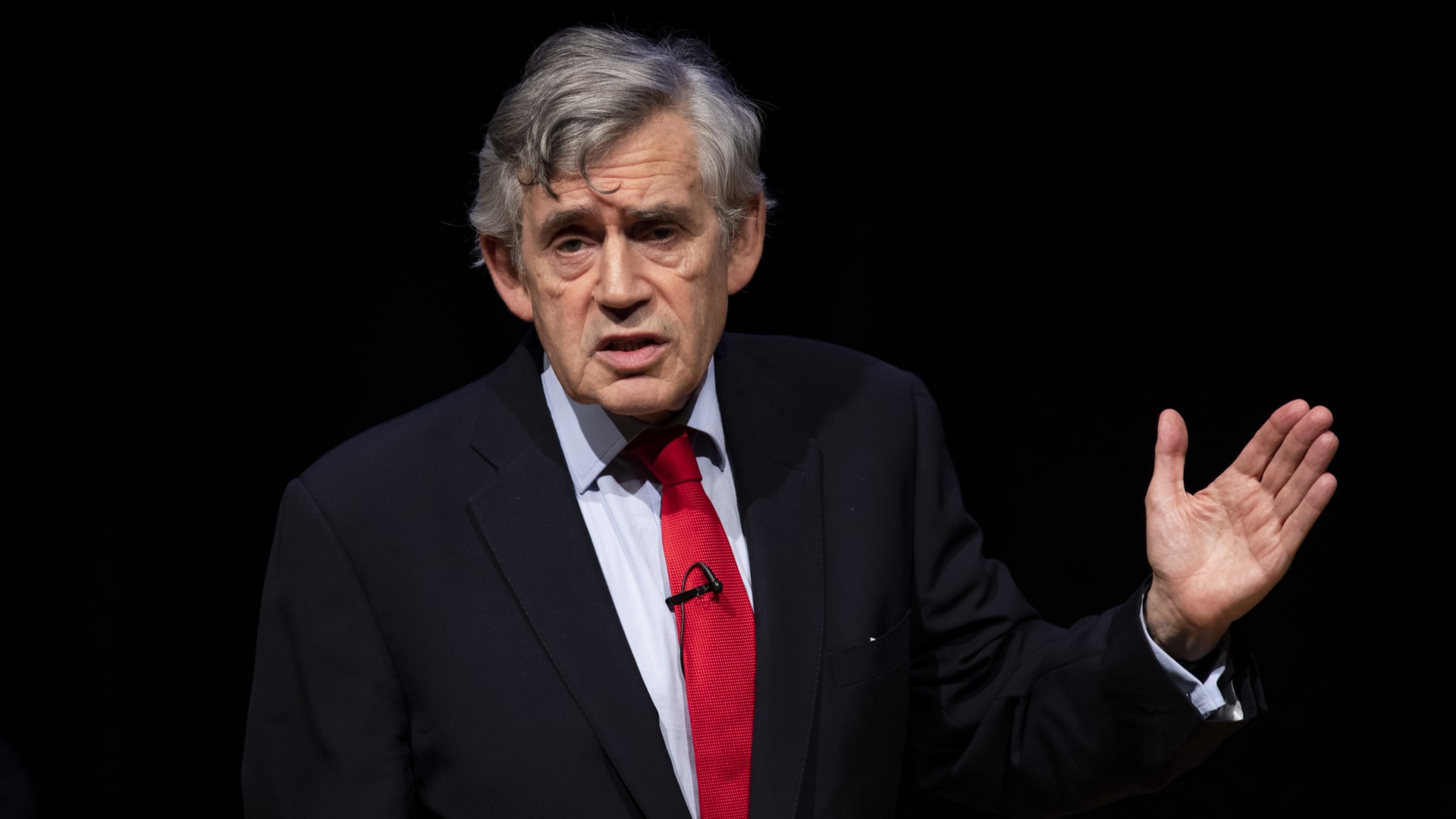
Gordon Brown, the former Prime Minister of the United Kingdom, remains a pivotal figure in contemporary politics and global economics. Serving as Chancellor of the Exchequer from 1997 to 2007 and then as Prime Minister from 2007 to 2010, Brown’s policies and leadership during turbulent times have had a lasting impact on the nation’s governance and economic landscape. His approach to financial crises and social policy continues to resonate in today’s political discourse.
Career Highlights
After taking office as Prime Minister, Brown’s tenure was marked by significant events, including the global financial crisis of 2008. His government’s response to the crisis, particularly through large-scale interventions to stabilise the banking sector, is widely credited with preventing a more severe recession in the UK. Brown’s advocacy for the G20 summit highlighted his commitment to international cooperation in addressing global challenges.
Additionally, Brown has been a vocal supporter of education reform and social equality. His initiatives aimed at reducing child poverty and improving educational opportunities have influenced current policies, prompting debates on social justice and fiscal responsibility.
Current Engagements and Influence
In recent years, Gordon Brown has remained active in political and economic discussions. He has focused on issues such as climate change, public health, and social equity. In the wake of the COVID-19 pandemic, Brown has called for comprehensive reforms to health systems and increased global cooperation to combat not only the pandemic but future global challenges as well.
His continued involvement in initiatives supporting children’s rights and education through his work with various organisations demonstrates his ongoing commitment to social issues. Brown has also been an advocate for vaccine equity, stressing the need for equitable access to vaccinations worldwide.
Conclusion
Gordon Brown’s legacy in UK politics is significant, with his policies and leadership style influencing contemporary government practices and economic strategies. As he continues to speak out on pressing global issues, his insights and experiences offer valuable lessons for current and future leaders. Observers can expect Brown to remain a crucial voice in advocating for progressive change, especially in an era where global challenges demand critical and cohesive responses from leaders worldwide.