Introduction
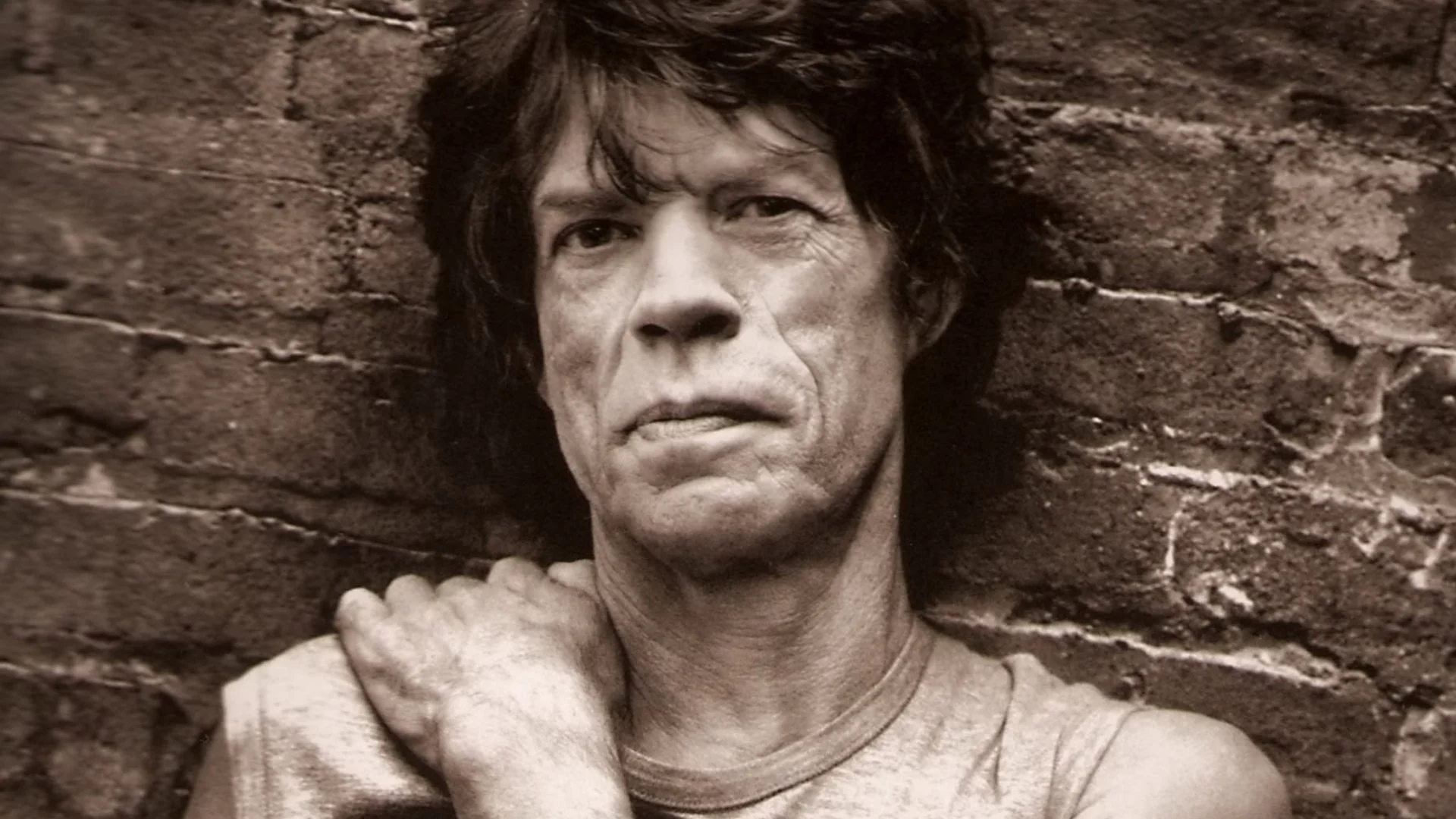
Mick Jagger, the iconic frontman of the Rolling Stones, is not just a musician but a cultural phenomenon. His contributions to rock music and pop culture over the last six decades have cemented his status as one of the most influential figures in music history. As the Stones continue to tour and release new music, Jagger’s artistry remains relevant and compelling, captivating both new generations and long-time fans.
Mick Jagger’s Musical Journey
Born on 26th July 1943 in Dartford, Kent, Jagger formed The Rolling Stones in 1962 alongside Keith Richards. The band’s gritty sound, characterised by bluesy rhythms and rebellious lyrics, was a stark contrast to the pop music trends of the era. Their first major hit, “(I Can’t Get No) Satisfaction,” released in 1965, rocketed them to international fame, establishing them as a leading force in the British Invasion of the US music scene.
Jagger’s distinctive vocal style and magnetic stage presence played a pivotal role in defining the band’s identity. The Stones quickly became known not only for their music but also for their daring attitude and controversial image, especially during the tumultuous 1960s.
Recent Developments
As of 2023, the Rolling Stones are still active in the music scene, with Jagger leading the charge. They recently embarked on their tour to celebrate the 60th anniversary of their debut album, an event that highlights their enduring popularity. Furthermore, in 2022, Jagger expressed excitement about the band’s future projects, hinting at new music that could blend classic rock with contemporary influences, showcasing his adaptability as an artist.
The Cultural Impact of Mick Jagger
Beyond music, Jagger has made significant contributions to the arts and culture. His collaborations with other artists and appearances in films have reinforced his status as a multifaceted performer. Jagger’s ability to engage with social issues, from counter-culture movements in the 1960s to contemporary global issues, has also established him as a voice that resonates with generations of fans.
Conclusion
Mick Jagger’s place in music history is secured, yet his journey is ongoing. As he continues to perform and create, fans eagerly await what he will do next. His influence extends beyond music; he embodies the spirit of rock and roll — a blend of rebellion, creativity, and resilience. For readers, Jagger’s ongoing career is a reminder of how art can evolve and adapt, inspiring countless others in the process. As the Rolling Stones remain a fixture in the music world, Jagger’s legacy will undoubtedly continue to be celebrated for many years to come.