Introduction
Nelson Mandela, one of the most iconic figures of the 20th century, played a crucial role in the fight against apartheid in South Africa. His advocacy for equality and human rights not only transformed his nation but also inspired movements worldwide. Understanding Mandela’s legacy is particularly relevant as issues of social justice continue to resonate globally, drawing parallels to the challenges faced during his lifetime.
Key Events in Mandela’s Life
Born on 18 July 1918 in the Eastern Cape of South Africa, Mandela was groomed for leadership from a young age. He became involved in the African National Congress (ANC) in the 1940s, leading to his activism against the apartheid regime, which enforced racial segregation and discrimination. In 1962, he was arrested and sentenced to life imprisonment for his involvement in planning sabotage against the government. His 27 years in captivity drew international attention and sparked widespread anti-apartheid movements.
Following his release in 1990, Mandela played a pivotal role in negotiations to dismantle apartheid, leading to the first multiracial elections in 1994, where he was elected as South Africa’s first Black president. His presidency marked a new era of reconciliation and nation-building, emphasising forgiveness and unity.
Legacy and Impact
Mandela’s impact extends beyond politics; he is celebrated for his principles of peace, forgiveness, and social justice. His work laid the foundation for a more equitable South Africa and influenced global human rights initiatives. In 2013, following his death, international tributes poured in, highlighting his role as a symbol of resistance against oppression.
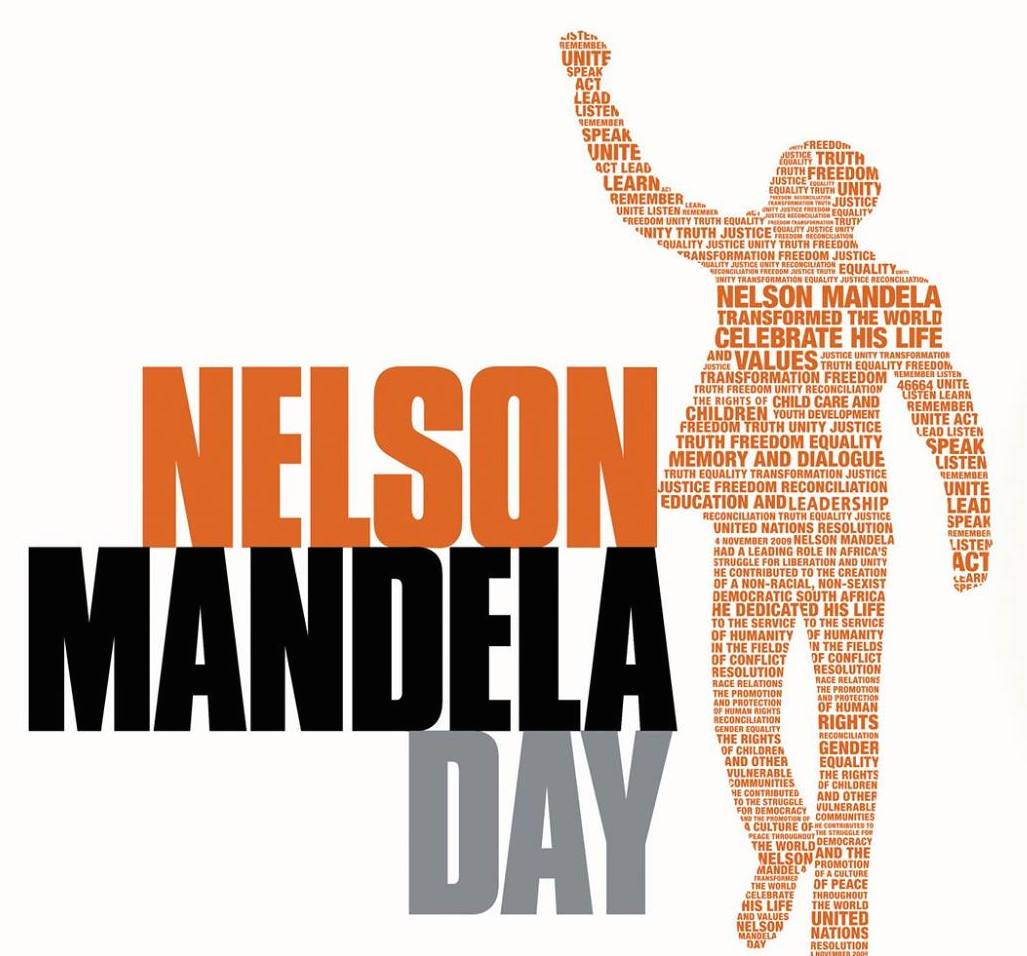
Modern movements for social justice, such as Black Lives Matter, often evoke Mandela’s teachings. His belief in the power of education and dialogue continues to inspire leaders and activists around the world. Events commemorating his legacy, such as Mandela Day on 18 July, encourage people to engage in community service and contribute to positive change.
Conclusion
Nelson Mandela’s legacy endures as a powerful reminder of the fight against injustice and inequality. As contemporary societies grapple with similar challenges, his message of resilience, hope, and the importance of activism remains significant. Mandela not only changed South Africa but also redefined leadership for generations to come, making it imperative for readers to reflect on his teachings and apply them in today’s context.